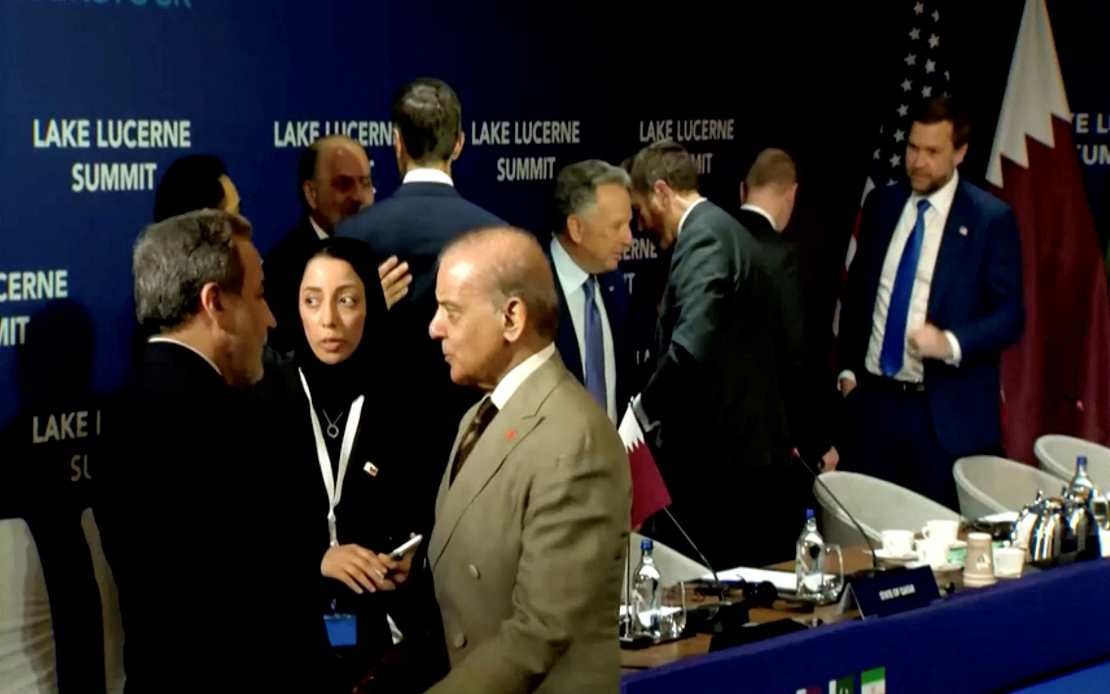
Iran and the United States have moved significantly closer to implementing sanctions relief on Iranian oil exports, with Tehran's negotiators confirming Sunday that a draft agreement covering temporary easing of restrictions has been finalised following intensive discussions held in Switzerland. The development marks a substantial step forward in implementing the broader Islamabad Memorandum of Understanding, a fourteen-point accord reached earlier this month that seeks to end hostilities between the two countries and resolve longstanding disputes through structured dialogue rather than military confrontation.
Hossein Ghorbanzadeh, a member of Iran's delegation, disclosed details of the agreement to the Tasnim news agency, emphasising that the memorandum's remaining provisions will not become operational unless negotiations produce a comprehensive final settlement addressing the conflict in Lebanon. This conditionality underscores how interconnected Middle Eastern security issues have become, with multiple fronts treated as interdependent elements within the broader peace framework rather than as isolated disputes. The structuring of these linkages reflects both sides' recognition that durable peace requires addressing the constellation of tensions driving regional instability.
The technical apparatus supporting the main negotiations proved essential to this breakthrough. Beyond the headline political discussions, delegations engaged in parallel technical sessions devoted specifically to oil sanctions mechanisms, demonstrating how complex modern sanctions regimes require expert-level engagement to unwind. These technical working groups successfully resolved implementation details that had previously blocked progress, suggesting that once political will exists, the administrative machinery for sanctions relief can function relatively smoothly. Such technical progress often receives insufficient attention but frequently proves decisive in transforming political agreements into operational reality.
The talks convened at the Burgenstock resort in Switzerland, a venue chosen precisely because Switzerland maintains diplomatic standing with both Washington and Tehran. The location itself carries symbolic weight, positioning the discussions within a tradition of Swiss-hosted international negotiations and removing the talks from the charged atmospheres of either nation's capital. The Islamabad Memorandum framework, brokered through Pakistani mediation, provided the structured negotiating architecture within which these oil sanctions discussions proceeded, illustrating how multilateral frameworks can facilitate bilateral breakthroughs by distributing responsibility and building in safeguards.
The Islamabad Memorandum itself was electronically signed by President Masoud Pezeshkian of Iran and President Donald Trump of the United States on June 18, following its initial announcement on June 14. This fourteen-point understanding encompasses far more than oil sanctions, addressing fundamental issues including the cessation of military operations across all theatres, restoration of shipping access through the Strait of Hormuz—one of the world's most critical chokepoints for energy supplies—and termination of the US naval blockade restricting Iranian maritime commerce. For regional observers and global energy markets, the Strait of Hormuz dimension carries particular significance, as any durable reopening would reshape energy logistics across Asia and influence pricing stability for economies throughout the region.
Beyond oil sanctions relief, the Iranian delegation used the Switzerland talks to advance discussions regarding frozen Iranian assets, raising the matter directly with Qatari representatives. Qatar's mediation role reflects its broader position as a diplomatic bridge in Middle Eastern affairs, while the inclusion of asset release discussions signals that sanctions relief extends beyond trade restrictions to encompass financial remedies. The sequestration of Iranian government assets in foreign jurisdictions has represented one of the most punitive elements of sanctions regimes, restricting not merely Iranian commerce but its ability to access funds derived from its own economic activity. Unfreezing these assets would have profound implications for Iran's fiscal position and its capacity to rebuild infrastructure and address domestic economic challenges.
For Malaysian policymakers and business stakeholders, these developments carry multiple implications. As a significant energy importer and a country with substantial refineries capable of processing heavy crude, Malaysia has a direct interest in broader stability and diversification of oil supply sources. The potential normalisation of Iranian oil exports could expand the range of suppliers available to Malaysian refiners, potentially reducing price volatility driven by supply concentration. Furthermore, Malaysian firms operating in sectors including petrochemicals, maritime services, and heavy equipment manufacturing maintain trade interests that could expand if sanctions relief progresses and Iranian economic capacity recovers.
The regional dimension extends beyond immediate energy considerations. Southeast Asian nations have generally favoured stable, predictable international relations and rules-based frameworks for settling disputes. The shift from military confrontation toward negotiated settlement in the Iran-US context aligns with regional preferences for dialogue-based conflict resolution and could establish precedents for addressing other festering tensions. If successful implementation of the Islamabad Memorandum demonstrates that comprehensive memoranda of understanding can effectively supersede years of confrontation, other regional powers might view similar frameworks as viable tools for their own disputes.
The conditioning of full implementation on a Lebanese settlement introduces complexity that should not be underestimated. Lebanon's multifaceted crisis—encompassing economic collapse, political paralysis, and security vulnerabilities—presents one of the region's most intractable problems. By linking oil sanctions relief to Lebanese resolution, negotiators have created incentive structures pushing all parties toward addressing Lebanon comprehensively, but they have also introduced a potential bottleneck if Lebanese talks stall. The success of the broader arrangement depends on maintaining negotiating momentum across multiple theatres simultaneously, a coordination challenge that has historically plagued multilateral peace processes.
Looking forward, the finalisation of an oil sanctions draft represents movement from declaration of intent to operational agreement. The distinction matters substantially because drafts must now proceed through formal ratification and implementation procedures within both governments. In the US context, this involves presidential authority and congressional oversight procedures that could introduce complications. In Iran's context, supreme leadership approval and integration with domestic political constituencies represents a parallel prerequisite. The technical work accomplished thus far positions both sides to navigate these remaining steps, but political obstacles remain potent.
The timing of these developments occurs amid broader recalibration of Middle Eastern alignments and continuing evolution of great power competition in the region. If the Islamabad Memorandum successfully transitions from agreement to sustained implementation, it would represent a watershed in regional relations. The detailed draft on oil sanctions relief suggests that serious work has occurred on translating political understandings into concrete operational frameworks. Whether this translates into durable peace or represents a temporary respite depends significantly on resolving the Lebanese component and managing implementation across the full range of issues encompassed by the fourteen-point understanding.

