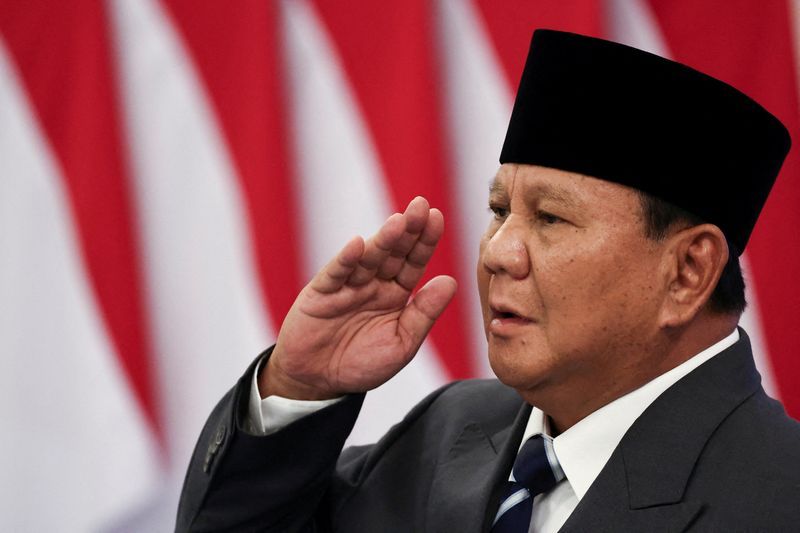
Indonesia's government is preparing to weave artificial intelligence into the fabric of its most ambitious social programmes, signalling a decisive pivot towards digital transformation. A draft presidential regulation awaiting President Prabowo Subianto's signature outlines comprehensive plans to embed AI across multiple sectors, with particular emphasis on the flagship $15 billion free meals initiative. This ambitious roadmap represents Jakarta's attempt to position itself more competitively in Southeast Asia's rapidly evolving technological landscape, where neighbours like Singapore and Malaysia have already carved out roles as regional development hubs attracting billions in investment from global technology corporations.
The timing of Indonesia's AI push reflects broader anxieties about the country's standing in the region's digital economy. While Singapore and Malaysia have successfully established themselves as crucial infrastructure destinations for major technology firms seeking to develop cloud and artificial intelligence capabilities, Indonesia has lagged considerably. Both rival nations have secured substantial foreign investment to build the physical and digital infrastructure required to service growing demand for computational services. Indonesia's delayed entry into serious AI development has created a competitive disadvantage that policymakers are now attempting to remedy through coordinated government action across multiple ministries and provincial authorities.
The presidential regulation, which has not previously been publicly discussed, establishes a phased implementation timetable running from 2026 through 2029. This roadmap directs ministries and regional administrations to progressively adopt artificial intelligence systems with a clear strategic objective: harnessing AI's potential to support the government's priority programmes while simultaneously strengthening Indonesia's regional and global competitiveness. The document frames AI adoption as central to achieving what officials believe could be transformative economic gains—a projected 12 percent increase in gross domestic product translating to approximately $366 billion in additional output by the end of the decade.
Development of the regulation has involved significant input from major international technology companies. Meta Platforms, IBM, and Microsoft all contributed to shaping the document, according to Wahyudi Djafar, a technology analyst who participated in drafting sections of the regulation and serves on the government's AI task force. These corporate contributions highlight how global technology giants are positioning themselves to influence Indonesia's digital transformation agenda, ensuring their platforms and services integrate into the nation's public sector infrastructure. Microsoft's previous commitment to invest $1.7 billion in expanding cloud and AI services across Indonesia underscores the commercial stakes underlying these policy developments.
The application of AI to the free meals programme offers a revealing window into how the government envisions practical implementation. According to the draft regulation, artificial intelligence systems would handle multiple functions within this massive feeding initiative: designing menus tailored to regional nutritional needs and cultural preferences, continuously monitoring kitchen hygiene standards, forecasting demand patterns to minimise waste and ensure adequate supply, detecting operational irregularities that might indicate corruption or mismanagement, and integrating health data to enable early identification of public health emergencies. This multi-layered approach suggests recognition that the free meals programme has suffered from significant operational weaknesses.
Those operational challenges are substantial and well-documented. The programme has faced intense scrutiny over inadequate transparency in its administration and resource allocation. Earlier this month, authorities fired and arrested the programme's director amid evidence of serious governance failures. Investigators have uncovered irregularities in kitchen infrastructure setup, while safety protocols and emergency response mechanisms have drawn criticism after a major food poisoning outbreak affected tens of thousands of schoolchildren in the previous year. These scandals have intensified concerns about wasteful spending at a moment when Indonesia's fiscal position offers limited room for budgetary excess. Introducing AI-powered oversight systems represents an attempt to restore public confidence and institutional credibility.
Beyond food programmes, the regulation outlines AI deployment across Indonesia's health sector. The government plans to utilize artificial intelligence to analyse health screening data and support tuberculosis detection efforts. These applications reflect understanding that AI can enhance diagnostic accuracy and improve preventive health capacity. However, such ambitions come with acknowledged risks. A separate accompanying regulation addresses cybersecurity concerns specific to AI systems, requiring government bodies to report potential dangers including biometric data misuse, intellectual property violations, and deepfake generation—concerns that are increasingly relevant as AI systems handle sensitive personal information.
Yet serious obstacles temper optimism about rapid AI transformation. Professor Derwin Suhartono from Bina Nusantara University in Jakarta articulates a sceptical but realistic assessment of Indonesia's present capabilities. The country currently lacks the foundational infrastructure essential for AI development—particularly semiconductor manufacturing capacity and the vast computational resources that AI training and deployment demand. Beyond physical infrastructure deficiencies, Indonesia faces a profound human capital shortage. The workforce lacks the specialized skills required to develop, deploy, and maintain sophisticated artificial intelligence systems. These structural constraints mean Indonesia cannot realistically aspire to become an AI developer in the near term. Instead, Professor Suhartono suggests, the nation risks remaining primarily a consumer of artificial intelligence products manufactured and controlled by foreign technology companies.
This assessment raises uncomfortable questions about the regulation's gap between ambition and execution. While Suhartono acknowledges that a structured, well-organized roadmap could enable Indonesia to meaningfully implement AI across government programmes, he expresses concern that current efforts remain largely rhetorical, lacking the disciplined implementation mechanisms necessary for success. Building genuine AI capability requires years of investment in education, infrastructure, and research institutions—commitments that extend far beyond regulatory pronouncements.
The regulation incorporates several mechanisms intended to address these constraints. The government proposes establishing a "sovereign AI fund," to be administered primarily through Indonesia's newly created wealth vehicle, Danantara Indonesia. This funding mechanism aims to provide financial resources for AI development initiatives. Additionally, the regulation suggests implementing fiscal incentives specifically designed to attract and retain artificial intelligence researchers, targeting Indonesia's critical shortage of technical talent. These provisions represent recognition that market forces alone will not generate sufficient domestic AI capability without deliberate government support.
The roadmap builds on foundations established through a previous white paper released the previous year, suggesting continuity in strategic direction. However, the timeline for President Prabowo's signature remains uncertain, and his office has not yet provided commentary on the regulation's status or expected timing for formal approval. This administrative uncertainty reflects Indonesia's broader challenge: translating policy ambitions into sustained institutional action across the sprawling apparatus of government bureaucracy.
For Malaysia and other Southeast Asian nations, Indonesia's AI strategy carries important implications. Should Indonesia successfully implement even a fraction of its outlined plans, it would strengthen its position as a regional technology market and potentially challenge Malaysia's standing as a preferred destination for international technology investment. Conversely, if implementation falters—as sceptical analysts suggest is likely given execution weaknesses—the failed initiative might reinforce perceptions that Indonesia remains primarily a consumer rather than a developer of artificial intelligence solutions. The outcome will likely depend less on regulatory ambition than on the government's capacity to sustain commitment, secure necessary funding, and build the institutional expertise required to transform policy into operational reality.

