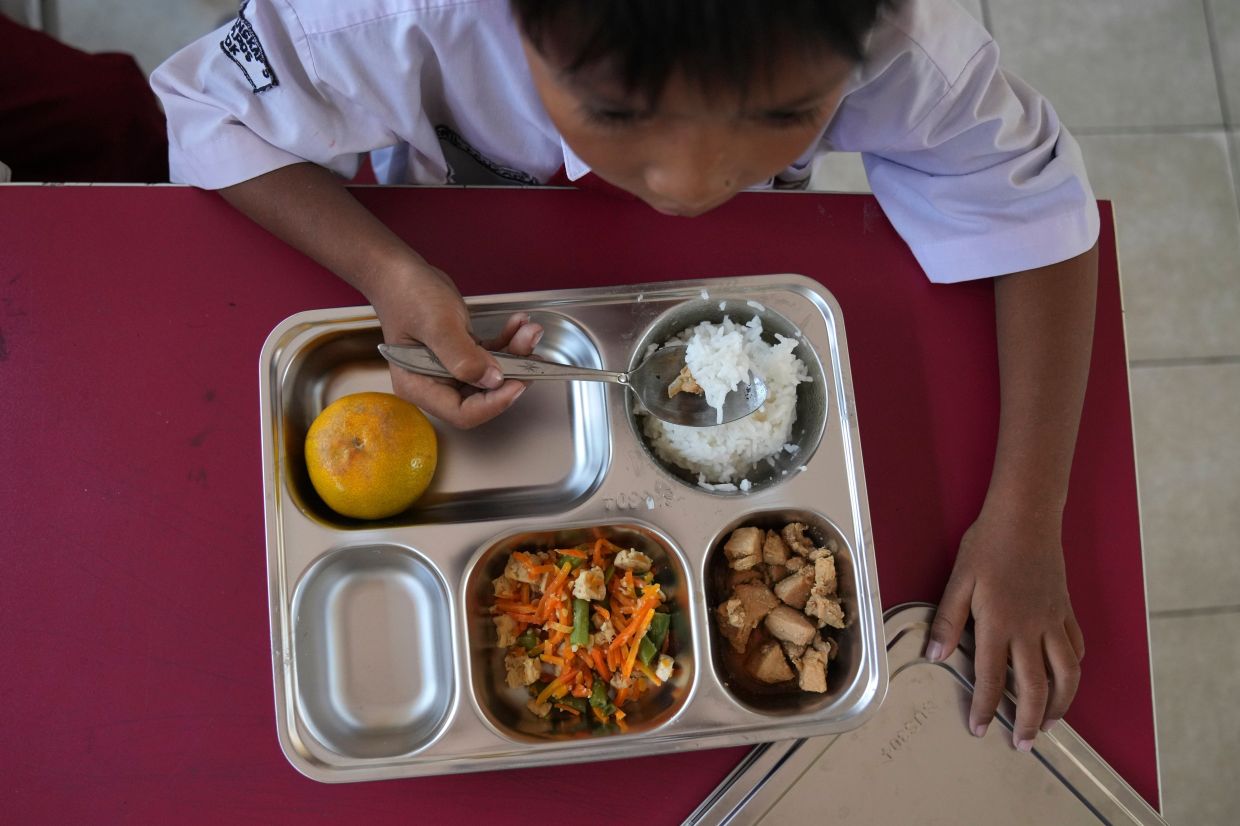
Indonesia's premier anti-corruption body is escalating its campaign to curtail President Prabowo Subianto's centrepiece free meals programme, contending that authorities must not only suspend the project but also dismantle the National Nutrition Agency (BGN) that oversees it. Wana Alamsyah, leading the law and investigation division at Indonesia Corruption Watch, has made the case that the nearly US$15 billion initiative requires a thoroughgoing clean-up that extends far beyond the detention of its former head and a handful of subordinates. The revelations surrounding alleged corruption in the meals scheme have turbocharged calls from civil society for the government to reassess how it implements one of its most ambitious social programmes, which currently reaches over 60 million Indonesians.
The corruption investigation officially commenced this month following the sudden dismissal of Dadan Hindayana, who headed BGN until his arrest triggered what authorities characterise as a probing into financial impropriety. Three additional officials and a company executive linked to motorcycle supply contracts have since been detained, but watchdog representatives argue this represents merely the visible tip of a much deeper structural problem. Since its establishment less than two years prior, the agency has expanded with remarkable speed, yet this rapid expansion has apparently created significant vulnerabilities to graft and mismanagement. The anti-corruption group contends that law enforcement bodies must cast a wider net, examining not simply the agency's leadership but also the vendors, procurement officials, and other actors who may have leveraged the programme's governance failures for personal benefit.
The Attorney-General's office has remained silent on demands for intensified scrutiny. Nevertheless, the newly appointed director of the meals initiative, Nanik S. Deyang, has signalled a strategic recalibration aimed at tightening operational standards and moderating expenditure. Her recent announcement underscores a shift towards concentrating resources on geographically isolated regions rather than pursuing blanket coverage across Indonesia's education system. By reducing the budgeted spend from the initially allocated 268 trillion rupiah (US$14.9 billion) and abandoning the target of reaching 82.9 million recipients, the agency seeks to pivot towards emphasising nutritional quality over sheer scale. Deyang has pledged to establish working kitchens that prioritise wholesome, nourishing meals over the ultra-processed offerings that have drawn public criticism.
President Prabowo has sought to project zero tolerance for dishonesty within the programme, declaring in remarks to thousands of officials and programme partners that he will not permit embezzlement of public funds. His unequivocal positioning reflects sensitivity to the reputational damage the scandal threatens to inflict on his administration. Yet the broader context reveals significant strain on Indonesia's fiscal position, with the government stretched by rising fuel subsidy costs as regional tensions elevate energy prices. This budgetary pressure has compounded investor unease, particularly among those concerned that the meals scheme diverts resources from more pressing economic imperatives.
Public backlash has surfaced on multiple fronts, with students protesting in Jakarta on June 12 and further demonstrations erupting across major cities by the following Monday, prompting authorities to deploy more than 6,000 police and military personnel in the capital alone. These confrontations underscore deeper societal ambivalence about the programme's cost-benefit calculus and its alignment with genuine developmental priorities. Some economists and policy research institutions have questioned whether the initiative will deliver the promised improvements in employment, health outcomes, and broader economic mobility that proponents have championed.
Wana's critique extends to what he identifies as the administration's delayed response to manifest problems. Reports of food poisoning incidents, complaints regarding substandard meal quality, and widespread public outcry on social media have circulated for months, yet the government apparently waited for a formal corruption complaint before taking action. This hesitation, Wana suggests, may reflect political calculation rather than institutional diligence. He hypothesises that deteriorating fiscal conditions forced the administration to recalculate budgetary allocations, but that dismantling or severely curtailing the programme would provoke backlash from communities already reliant on established kitchen networks. By concentrating enforcement action on a select few officials, the government can justify restructuring while preserving political viability.
The underlying governance vulnerabilities extend well beyond individual wrongdoing. Indonesia Corruption Watch has previously documented that the network of foundations administering meal kitchens across 38 provinces exhibits concerning ties to politically-connected individuals, encompassing politicians, bureaucrats, military officers, law-enforcement personnel, and commercial interests. A separate examination conducted by the Jakarta-based Centre of Economic and Law Studies established that nearly four-fifths of respondents identified potential conflicts of interest stemming from the direct appointment of meal vendors. These structural flaws suggest that corruption risks are embedded within the programme's fundamental design rather than isolated lapses by specific actors.
Further methodological critiques underscore questionable implementation choices. Think tanks have questioned why the programme was rolled out universally across Indonesia's schools rather than targeted strategically towards economically disadvantaged and rural localities where malnutrition remains most acute. The initiative's hasty conception and aggressive deployment timeline have apparently left insufficient space for rigorous vetting processes, planning refinement, or institutional capacity-building. This telescoped timeframe stands in contrast to the deliberate, measured approach that successful social safety-net programmes typically require.
Deyang's interim measures, including a moratorium on establishing new kitchen facilities and a prioritisation of utilising existing infrastructure such as school canteens, represent incremental corrections that fall short of the systemic overhaul that critics like Wana advocate. The agency head's announcement of tightened screening procedures for prospective kitchens addresses one symptom of governance weakness, yet deeper institutional transformation may be necessary to restore public confidence and eliminate pathways for patronage-driven resource capture. Whether these modifications will satisfy civil society pressure or merely constitute holding actions pending fuller investigations remains uncertain as Southeast Asia's largest economy grapples with balancing ambitious social ambitions against fiscal constraints and governance realities.

