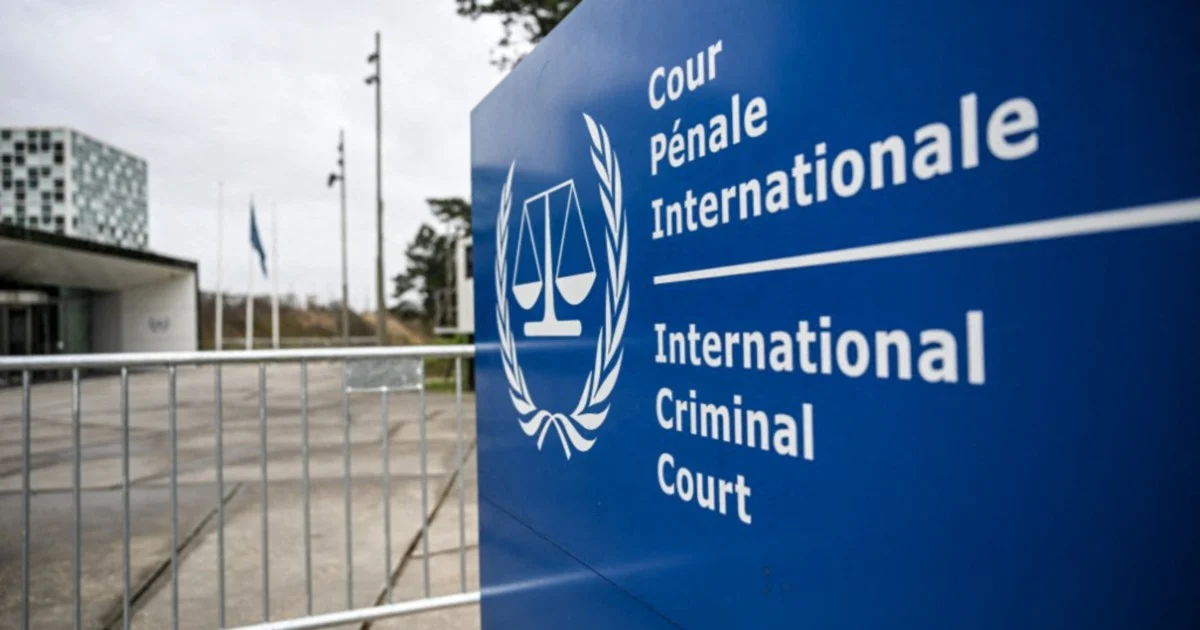
Three judges from the International Criminal Court have escalated their dispute with the Trump administration by filing a federal lawsuit in New York, seeking to overturn sanctions that the US government imposed against them. The legal action represents an unprecedented confrontation between the ICC's judicial apparatus and American executive power, raising fundamental questions about the scope of presidential authority and the role of international institutions within American foreign policy frameworks.
The judges contend that the sanctions—which restrict their financial assets and curtail their ability to operate freely—lack legal justification and violate their constitutional rights as individuals. By filing in US federal court, the judges are invoking American constitutional protections and asking the judicial system to examine whether the executive branch acted within its legitimate authority. This approach reflects the judges' strategy to leverage the American legal system itself as a venue for contesting policies they view as politically motivated rather than grounded in substantive legal doctrine.
The Trump administration's decision to target ICC officials emerged from the court's investigative activities involving American personnel and allies. The US has historically maintained a complicated relationship with the ICC, remaining outside the court's jurisdiction through non-ratification of the Rome Statute. This status has nonetheless not prevented the administration from wielding sanctions as a tool to discourage ICC activities perceived as hostile to American or allied interests. The measures represent a dramatic intensification of pressure on the institution.
The lawsuit raises important implications for international relations and institutional autonomy. By sanctioning judges rather than engaging through diplomatic channels, the US has signalled its willingness to use financial punishment as a mechanism for constraining international bodies. However, the judges' decision to contest these measures in American courts introduces an element of legal uncertainty that may complicate the administration's enforcement of its policy. A federal court ruling could establish precedent regarding the permissibility of such sanctions against officials of international organisations.
From a Southeast Asian perspective, this dispute carries significance for the region's understanding of how international law operates alongside national power. Countries in the region balance relationships with the US while participating in international frameworks. The ICC case demonstrates that international institutions can become flashpoints for geopolitical friction, affecting how smaller nations navigate their commitments to international justice mechanisms versus their strategic relationships with major powers. Malaysia and other regional states have sought to maintain engagement with the ICC while not necessarily antagonising the US.
The judges' contention that the sanctions are draconian reflects their argument that the measures go beyond reasonable policy tools and venture into territory that punishes individuals for performing official duties. This characterisation invokes language associated with excessive or disproportionate governmental action. The judges likely argue that even if the US government disagreed with ICC activities, sanctions targeting judicial officers personally crosses a threshold into illegitimate coercion.
The legal arguments underpinning the lawsuit probably centre on several constitutional and administrative law principles. The judges may argue that the sanctions violate due process by denying them opportunity to be heard before measures were implemented. They might also contend that the sanctions lack statutory authorization—that Congress did not explicitly grant the president power to impose such measures against ICC personnel. Additionally, the judges could argue that the sanctions violate international law principles protecting judicial independence, which the US has itself long championed in its diplomatic advocacy.
The Trump administration will likely defend its actions as a legitimate exercise of foreign affairs authority. The executive typically argues that presidents possess broad discretionary power to identify threats to national security and US interests, with sanctions serving as an appropriate response to institutional behaviour deemed harmful. The administration may frame the ICC's activities as justifying defensive measures and deny that the sanctions constitute unlawful punishment.
The timing of this lawsuit reflects broader tensions between the Trump administration and international institutions. The administration has signalled skepticism toward multilateral organisations and has advocated for nationalist policies that prioritise American autonomy. The ICC dispute exemplifies how this posture translates into concrete measures against international bodies and their personnel. Whether US courts will second-guess executive judgments about foreign policy represents an open constitutional question with few clear precedents.
The judges' choice to pursue litigation demonstrates confidence in the American legal system's independence from executive control. By appealing to federal courts, the judges implicitly assert that even the president operates within constitutional constraints and that the judiciary retains authority to examine executive actions. This judicial review process, central to American constitutional governance, becomes the mechanism through which the judges seek vindication.
The case will likely attract significant international attention, particularly from states participating in the ICC and from international law experts. A ruling in the judges' favour could strengthen the ICC's position and constrain future American efforts to sanction international officials. Conversely, a judgment upholding the sanctions would reinforce executive prerogatives in foreign policy matters. Either outcome will reverberate through international relations and affect how governments calculate the risks of participating in institutions that might displease powerful states.
For the broader international community, including Southeast Asian nations, the lawsuit underscores how national power and international law continue to exist in tension. The case illustrates that even robust legal frameworks cannot entirely insulate international institutions from pressure by powerful states. Countries must therefore consider whether their commitments to international organisations can withstand pressure from major powers when institutional activities diverge from those powers' interests.

