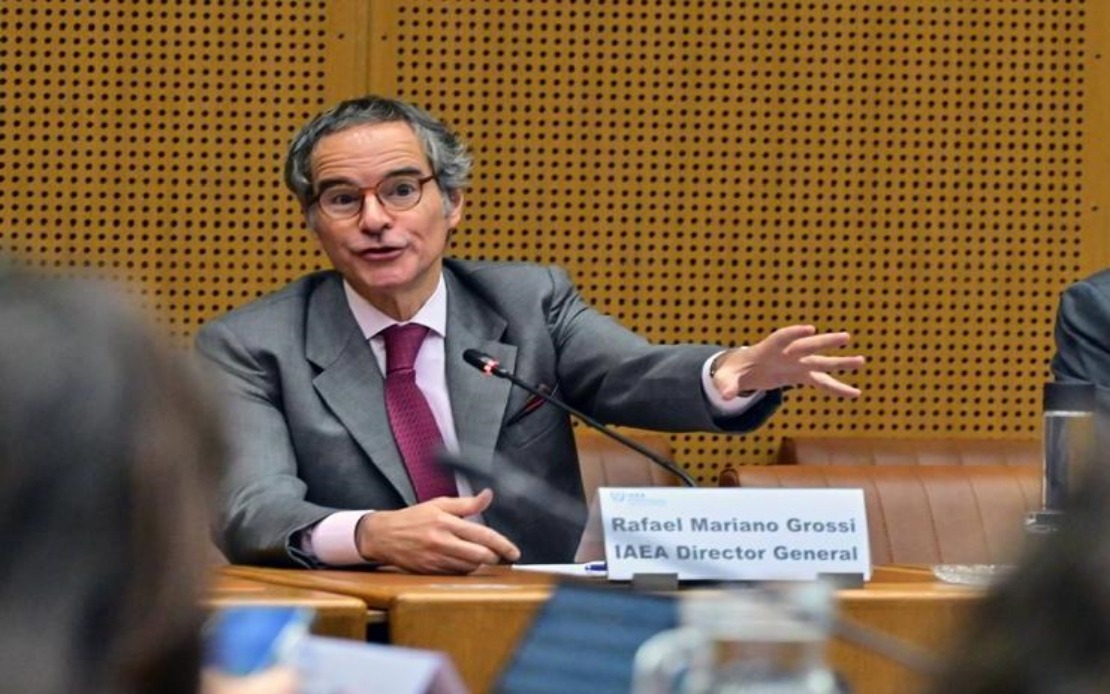
The International Atomic Energy Agency Director General Rafael Mariano Grossi has underscored the critical importance of sustaining diplomatic channels as American and Iranian representatives gear up for direct negotiations scheduled to take place in Switzerland. Speaking through a statement on social media platform X, Grossi emphasized that this moment demands unwavering commitment to dialogue as a path toward resolving longstanding tensions between the two nations. His intervention reflects the global nuclear watchdog's vested interest in ensuring that talks remain focused on nuclear non-proliferation concerns while maintaining momentum toward constructive engagement.
The upcoming Swiss negotiations represent a significant development in the troubled relationship between Washington and Tehran, particularly on nuclear matters that have dominated bilateral relations for nearly two decades. The talks build upon groundwork laid by recent diplomatic activity, including Swiss Foreign Minister Ignazio Cassis's consultations with both sides. Cassis met separately with Iranian Foreign Minister Abbas Araghchi ahead of the direct US-Iran discussions, underlining Switzerland's traditional role as a neutral host for sensitive international negotiations where trust remains fragile.
A watershed moment came with the signing of the Islamabad Memorandum of Understanding between US President Donald Trump and Iranian President Masoud Pezeshkian on Wednesday, which effectively paved the way for these direct talks. This agreement represents a notable shift in tone after years of escalating rhetoric and economic pressure, suggesting both governments recognize the necessity of face-to-face dialogue to address mutual security concerns and broader geopolitical anxieties. The memorandum serves as a framework indicating that substantive discussions can proceed despite the historical animosity between the two powers.
Grossi's meeting with Cassis in Burgenstock demonstrated the IAEA's commitment to remaining engaged throughout the negotiation process. The nuclear watchdog chief sought to understand the latest developments regarding Iran's nuclear programme and clarify the agency's prospective role in any verification mechanisms that might emerge from successful talks. Switzerland's steadfast backing of the IAEA and its endorsement of multilateral diplomatic approaches were acknowledged by Grossi, reflecting appreciation for the nation's institutional support and diplomatic infrastructure.
For Malaysia and other Southeast Asian nations, these developments carry strategic implications. The region remains vulnerable to nuclear proliferation risks and supply chain disruptions that can result from US-Iran tensions. Stability in this sphere directly affects regional security calculations, particularly concerning maritime security in the Strait of Malacca and broader Asian geopolitical balances. A successful negotiated settlement could reduce destabilizing military posturing that currently constrains international commerce and regional development priorities.
The nuclear dimension of US-Iran relations has proven particularly intractable, involving complex technical verification protocols, sanctions architecture, and mutual suspicion accumulated over decades. Previous negotiating efforts, notably the Joint Comprehensive Plan of Action (JCPOA) concluded in 2015, achieved significant breakthroughs before subsequent American withdrawal created renewed uncertainty. Current discussions must navigate similarly challenging terrain, requiring creative compromise on monitoring mechanisms, sanctions relief sequencing, and security assurances that address both nations' core interests.
Grossi's public call for diplomatic perseverance reflects recognition that negotiations often face critical junctures where political will wavers. By projecting confidence in the negotiation framework and emphasizing the IAEA's readiness to contribute technical expertise, the nuclear watchdog seeks to maintain positive momentum and encourage both delegations to prioritize long-term strategic gain over short-term tactical advantage. International pressure and support channelled through respected multilateral institutions can prove decisive in sustaining fragile negotiating processes.
Switzerland's hosting role extends beyond mere venue provision. The nation's diplomatic infrastructure, extensive experience mediating international disputes, and reputation for neutrality create conditions where representatives can engage without fears of surveillance or undue external influence. Historical precedent demonstrates that neutral ground facilitates candid conversation impossible in hostile territory, enabling negotiators to explore creative solutions without immediate domestic political consequences that direct home-based negotiations would entail.
The pathway forward remains uncertain, given the substantial disagreements likely to surface once talks commence. Outstanding issues including the scope and timeline for sanctions removal, verification protocols for nuclear compliance, and regional security concerns will demand sophisticated negotiating strategies from all parties. Nevertheless, Grossi's intervention signals that the international community views these talks as genuinely consequential and worthy of sustained diplomatic investment, potentially encouraging both sides to approach negotiations with necessary seriousness and flexibility required for meaningful progress.

