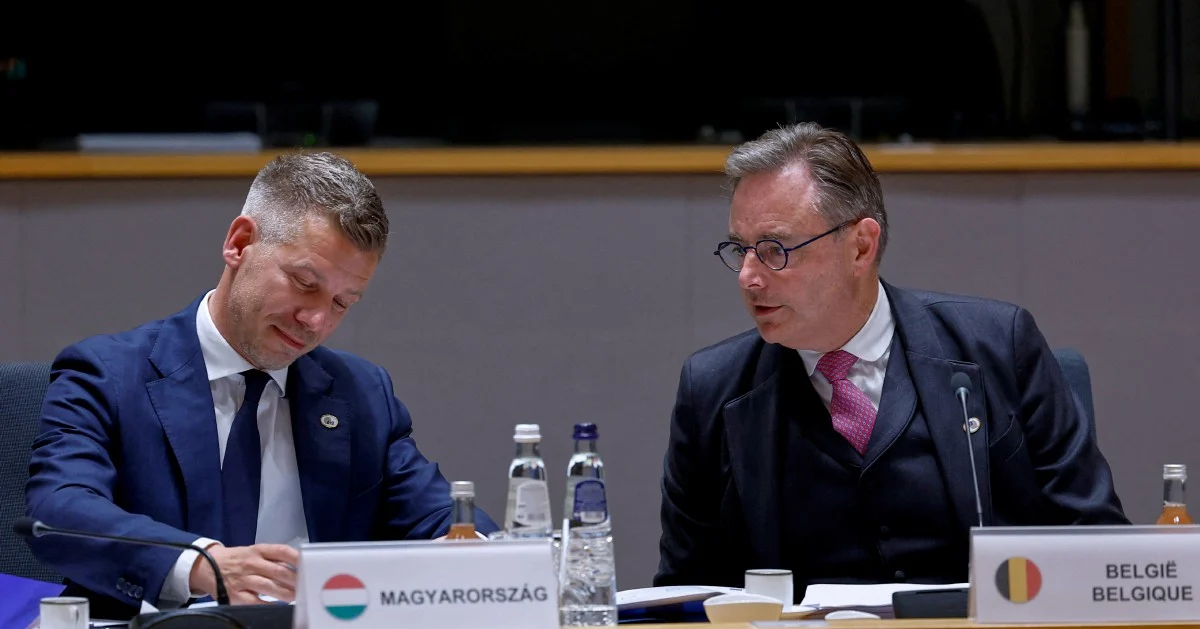
Hungary is pressing ahead with a sweeping anti-corruption legislative agenda this week, with lawmakers expected to formally approve a suite of governance measures designed to address long-standing concerns about graft and institutional transparency. The parliamentary vote, anticipated on Tuesday, represents a critical step in Prime Minister Peter Magyar's broader transformation initiative and holds particular significance for the country's relationship with Brussels, where billions of euros in development funds remain frozen pending demonstrated reforms.
The underlying tension between Budapest and the European Union has simmered for years, rooted in governance standards and rule-of-law concerns that have prompted EU officials to withhold substantial tranches of financial support. These funds, allocated under various EU programmes and recovery mechanisms, represent a considerable proportion of Hungary's anticipated budget for infrastructure, economic stimulus, and social investment. The blockage has placed mounting pressure on Hungarian policymakers to demonstrate concrete action on institutional reform, creating political momentum for Magyar's administration to act decisively and visibly on the corruption issue.
Magyar's ascension to the prime ministerial office has signalled a potential shift in Budapest's approach to Brussels relations. Unlike his predecessor's strategy of confrontation and institutional obstruction, Magyar has positioned himself as an advocate for European integration and cross-border cooperation. His anti-corruption agenda extends beyond tactical positioning; it reflects recognition that Hungary's long-term economic prosperity and international standing depend on institutional credibility and transparent governance. The reform drive encompasses multiple legislative instruments addressing financial oversight, procurement processes, and accountability mechanisms across the public sector.
For Malaysian observers and Southeast Asian policymakers, Hungary's situation offers instructive parallels. Developing and middle-income economies frequently grapple with corruption challenges while simultaneously competing for international funding and investment. The EU's approach—conditioning financial transfers on governance improvements—demonstrates how supranational bodies leverage economic incentives to drive institutional reform. This model resonates across the region, where multilateral development banks increasingly incorporate anti-corruption and transparency criteria into lending arrangements.
The specific measures under parliamentary consideration address vulnerabilities in Hungary's administrative architecture that international observers have identified as conduits for misappropriation and political interference. These likely encompass reforms to public procurement regulations, enhanced oversight of state-owned enterprises, stronger asset declaration requirements for officials, and improved investigation and prosecution capacities within anti-corruption agencies. Such structural measures, when effectively implemented, can reshape incentive structures and reduce opportunities for illicit enrichment at governmental levels.
However, legislative passage represents merely the beginning of a longer implementation journey. International experience suggests that anti-corruption laws prove effective only when backed by adequate institutional resources, political commitment, and sustained enforcement. Hungary faces the challenge of demonstrating not merely that legislation exists on paper but that implementation reflects genuine institutional change. EU officials monitoring Hungarian progress will scrutinise enforcement patterns, prosecution outcomes, and changes in administrative behaviour, with fund releases contingent upon credible evidence of transformation rather than symbolic gestures.
The financial stakes undergirding this reform effort merit emphasis. The blocked EU funds encompass recovery and resilience facility allocations tied to post-pandemic economic reconstruction, infrastructure investment programmes, and structural cohesion funding essential for regional development. For a country where per capita income remains below the EU average and public investment needs are substantial, prolonged fund freezes impose genuine economic costs. Delayed infrastructure modernisation, constrained social investment, and reduced economic stimulus ultimately affect employment, living standards, and competitiveness. This reality concentrates political attention on governance reforms with urgency that purely ethical arguments alone might not generate.
Magyar's political coalition and parliamentary calculations also warrant consideration. The success of sweeping anti-corruption reforms depends on maintaining sufficient legislative support while navigating the interests of various political factions. Some constituencies may view aggressive transparency measures as threatening established patronage networks or institutional privileges. Effective coalition management requires persuading diverse political actors that EU fund recovery benefits outweigh localised costs from reduced discretionary control over resources and personnel decisions. The fact that parliamentary approval appears achievable suggests Magyar commands sufficient support for significant institutional change.
Regional implications extend beyond Hungary itself. The EU's firmness in withholding funds from member states demonstrates Brussels' willingness to impose substantial costs on non-compliance with governance standards. This approach sends signals to other Central and Eastern European states contemplating institutional shortcuts or governance compromises. For the broader EU project, assertive conditionality protects the credibility of European standards and prevents race-to-the-bottom dynamics where member states compete in institutional laxity. Conversely, successful Hungarian reform would demonstrate that governance transformation remains achievable even in societies where corruption has become deeply embedded in institutional practice.
The international context shaping Hungary's choices also encompasses broader geopolitical considerations. Enhanced European integration through demonstrated governance commitment offers Budapest a strategic counterweight to other external influences and reinforces its institutional anchoring within Western structures. From this perspective, anti-corruption reform transcends technocratic governance adjustment and reflects Hungary's choice of strategic orientation and international identity.
As Hungarian lawmakers vote on these measures, their decision carries weight beyond domestic politics. Successful implementation would signal that established democracies can undertake meaningful institutional renewal and that international financial leverage can drive governance improvement. Conversely, if measures prove cosmetic and implementation remains half-hearted, Budapest will struggle to convince Brussels that genuine reform has occurred, prolonging the financial uncertainty that constrains Hungary's development trajectory. The coming months will prove illuminating regarding both Hungarian commitment to institutional change and the EU's resolve in enforcing governance standards.

