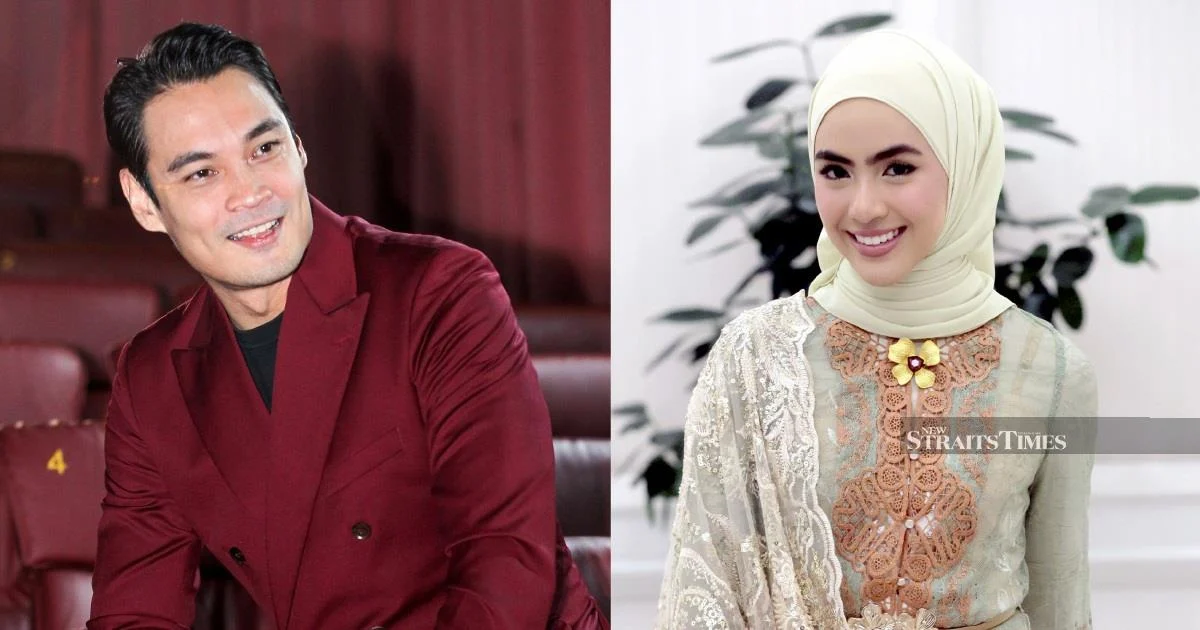
Malaysian actor Hisyam Hamid has publicly disputed rumours that have circulated across social media platforms, particularly on Threads, suggesting he made a visit to the home of actress Erysha Emyra. The actor took to addressing the allegations head-on, characterising them as baseless and expressing visible frustration at being drawn into what he considers an unfounded controversy.
The rumours, which gained considerable traction on the Threads platform, appear to have emerged without substantive evidence or credible sourcing. Social media has become fertile ground for entertainment gossip in Malaysia and across Southeast Asia, where unverified claims can spread rapidly and acquire a veneer of legitimacy simply through repetition and engagement. The speed at which such narratives propagate online presents a significant challenge for public figures attempting to maintain their reputations and professional standing.
Hisyam Hamid's decision to publicly refute the allegations reflects a growing pattern among Malaysian entertainers who feel compelled to address online rumours rather than allowing them to persist unchallenged. The actor's disappointment appears rooted not merely in the allegation itself, but in the broader phenomenon of how readily such claims gain currency among online audiences without verification or factual basis.
The entertainment industry in Malaysia operates within a tight-knit professional community where collaborative projects frequently bring actors into close working relationships. Such professional proximity can sometimes become the basis for unfounded speculation, particularly when social media users extrapolate beyond what is publicly known about industry interactions. The distinction between professional collaboration and personal relationships often becomes blurred in public perception, especially when fuelled by online rumour mills.
Threads, as a relatively newer platform in Malaysia's social media ecosystem, has emerged as a space where entertainment gossip flourishes with minimal editorial oversight. Unlike traditional media, the platform's open structure and emphasis on discussion threads allows rumours to develop and spread through community engagement, often without the fact-checking mechanisms that conventional journalism applies. This structural feature of the platform makes it particularly susceptible to the proliferation of unverified claims.
For Malaysian actors like Hisyam Hamid and Erysha Emyra, navigating the intersection of professional collaboration and public speculation requires constant vigilance. The absence of clear boundaries between private life and professional association means that innocent interactions can be reinterpreted through a speculative lens once they enter the public discourse. This dynamic creates a challenging environment where actors must balance their right to privacy with the public's seemingly insatiable appetite for entertainment gossip.
The broader implications of such rumour-mongering extend beyond individual reputations. When unfounded allegations gain traction without consequence, they establish a precedent that encourages further speculation and contribute to an overall erosion of trust in verified information. For readers and followers seeking genuine entertainment news, distinguishing between substantiated reporting and social media speculation becomes increasingly difficult.
Hisyam Hamid's public statement serves as a reminder of the importance of critically evaluating sources and claims before accepting them as fact. In an environment where information travels at unprecedented speed, the responsibility to verify information before sharing becomes particularly acute. The actor's willingness to engage directly with the rumours, rather than ignoring them, underscores the contemporary reality that public figures often must become their own fact-checkers and reputation managers in the digital age.
The incident highlights a significant gap in digital literacy among social media users who may not possess the critical frameworks necessary to evaluate the credibility of online claims. Educational initiatives that help audiences distinguish between reliable sources and speculative gossip could substantially improve the information environment around entertainment news, benefiting both public figures and audiences seeking accurate information about their favourite celebrities.
Moving forward, both Hisyam Hamid and Erysha Emyra may find themselves subject to continued speculation simply by virtue of their professional association. The Malaysian entertainment industry, like the broader regional film and television landscape, continues to grapple with how to manage the relationship between public interest and individual privacy rights in an era dominated by social media discourse. The challenge of maintaining professional dignity while operating within an environment that rewards sensationalism and speculation remains unresolved for many in the industry.

