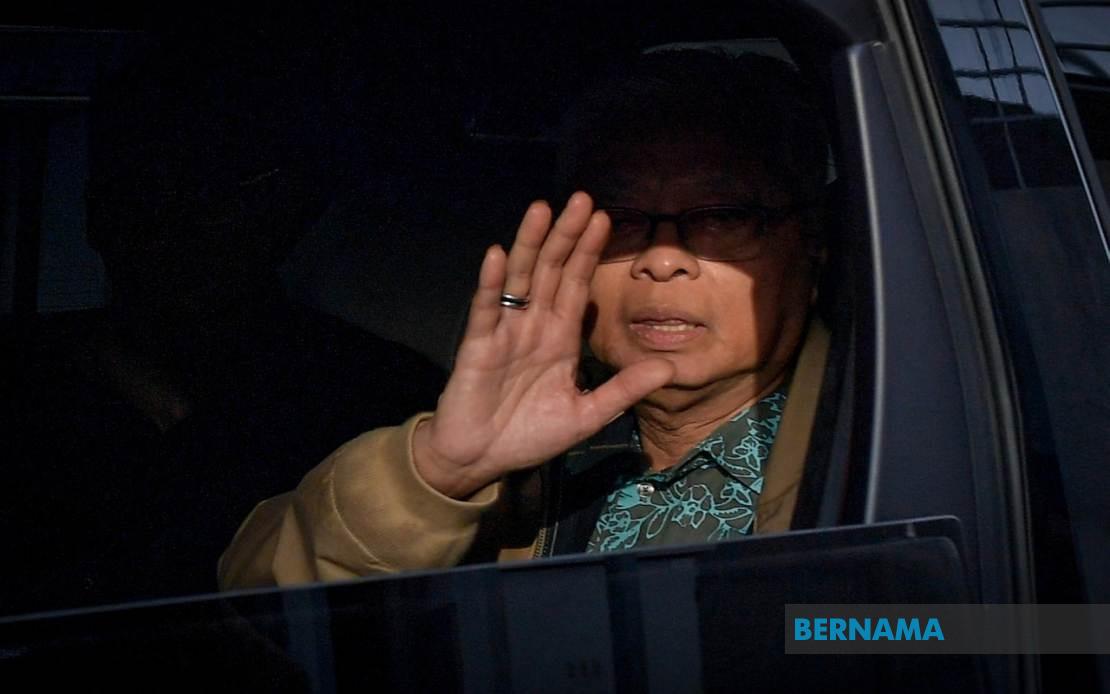
Malaysia's High Court has reaffirmed the acquittal of blogger Jufazli Shi Ahmad, dismissing the prosecution's appeal against his earlier discharge by the Sessions Court in a case centring on YouTube content allegedly critical of former Prime Minister Datuk Seri Ismail Sabri Yaakob and UMNO. Judge Datuk Aslam Zainuddin handed down the decision following a review of case records and legal submissions from both the state prosecution and the defence, formally upholding the lower court's decision to release the accused without conviction.
The ruling marks a significant moment in ongoing discussions surrounding digital expression and the boundaries of permissible political commentary in Malaysia. Jufazli had faced two separate allegations spanning conduct over the course of a single week in mid-2022. The first charge involved the creation and transmission of content deemed offensive through his 'King Maker Politik' YouTube channel on June 27, 2022, with authorities noting that officers accessed the disputed material three days later at the Dang Wangi District Police Headquarters. The second charge concerned his refusal to disclose the password protecting his YouTube account when requested by law enforcement on July 5, 2022.
Under the Communications and Multimedia Act 1998, the offence of transmitting offensive communications carries substantial penalties. Conviction on the first charge could have resulted in a maximum fine of RM50,000 alongside imprisonment for up to one year, with courts potentially imposing an additional RM1,000 penalty for each day the alleged violation persisted following sentencing. The second charge, related to non-cooperation with police, carried even stiffer consequences under Section 249 of the same legislation, potentially leading to fines reaching RM100,000 or two years imprisonment. These substantial consequences underscore the serious nature with which authorities approached the allegations.
The prosecution's decision to appeal the Sessions Court's acquittal reflected determination to pursue the case through available legal channels. Deputy Public Prosecutor Mohamad Fadhly Mohd Zamry presented arguments for upholding the conviction, though Judge Aslam ultimately determined that the Sessions Court judge's reasoning and findings warranted confirmation. The defence, represented by lawyer Ramesh N.P. Chandran, successfully maintained that the lower court's analysis and conclusions provided adequate foundation for the acquittal to stand.
This outcome carries implications for content creators and political commentators operating within Malaysia's digital landscape. The case illustrates ongoing tension between authorities' interests in managing online discourse and courts' application of legal standards requiring sufficient evidence to sustain charges. The High Court's decision to uphold acquittal suggests judicial scrutiny of whether offensive content allegations meet evidentiary thresholds necessary for conviction, particularly when charges involve subjective assessments of intent to annoy or disturb.
The timing of the alleged offences—June and July 2022—places them within a significant period of Malaysian political transition, following the collapse of the Perikatan Nasional administration and amid broader coalition reconfiguration. Political commentary and criticism during such periods often becomes more intense, and content targeting political figures and parties frequently emerges across digital platforms. The case thus reflects broader patterns of how authorities respond to online political discourse during moments of political flux.
For content creators and bloggers throughout Malaysia and the wider Southeast Asian region, the High Court's decision provides some assurance regarding legal exposure for posting political commentary online. While the Communications and Multimedia Act 1998 remains in force with its provisions against offensive communications, the judicial outcome demonstrates that courts examine whether evidence sufficiently establishes the requisite elements of offences before permitting conviction. This distinction between legislative prohibitions and their judicial application proves important for understanding the practical scope of online expression rights in the Malaysian context.
The matter of password provision also merits consideration. Law enforcement agencies frequently request access credentials during investigations, viewing such information as essential to digital investigations. Jufazli's successful defence against this charge indicates that courts may evaluate whether demands for passwords satisfy procedural and legal requirements, and whether individuals possess enforceable obligations to disclose such information under the existing legislative framework. This aspect of the judgment carries relevance beyond political commentary, touching broader questions regarding digital privacy and police investigative powers.
Court decisions involving online content and political speech frequently attract attention from civil liberties advocates, journalism bodies, and digital rights organisations. The High Court's confirmation of acquittal will likely be welcomed by those advocating for broader online expression protections in Malaysia. Simultaneously, law enforcement and those concerned with managing offensive or disruptive online conduct may view the outcome as narrowing opportunities to prosecute such cases successfully.
The ramifications extend to how courts will examine future cases involving similar charges. When prosecutors pursue offensive communications allegations, judges may increasingly reference this decision's reasoning when assessing whether evidence meets necessary standards. Legal precedent, particularly at the appellate level, shapes how lower courts approach comparable matters, potentially influencing charging decisions by prosecutors evaluating case viability.
Beyond the immediate parties involved, the judgment underscores the Malaysian judiciary's role in calibrating legal restrictions on expression against democratic values and fundamental rights protections. As digital platforms continue expanding as spaces for political discourse and public commentary, courts confronting allegations involving online content must balance governmental interests in preventing genuinely harmful conduct against protecting legitimate political speech and criticism. The High Court's decision reflects one instance of that ongoing judicial balancing exercise.

