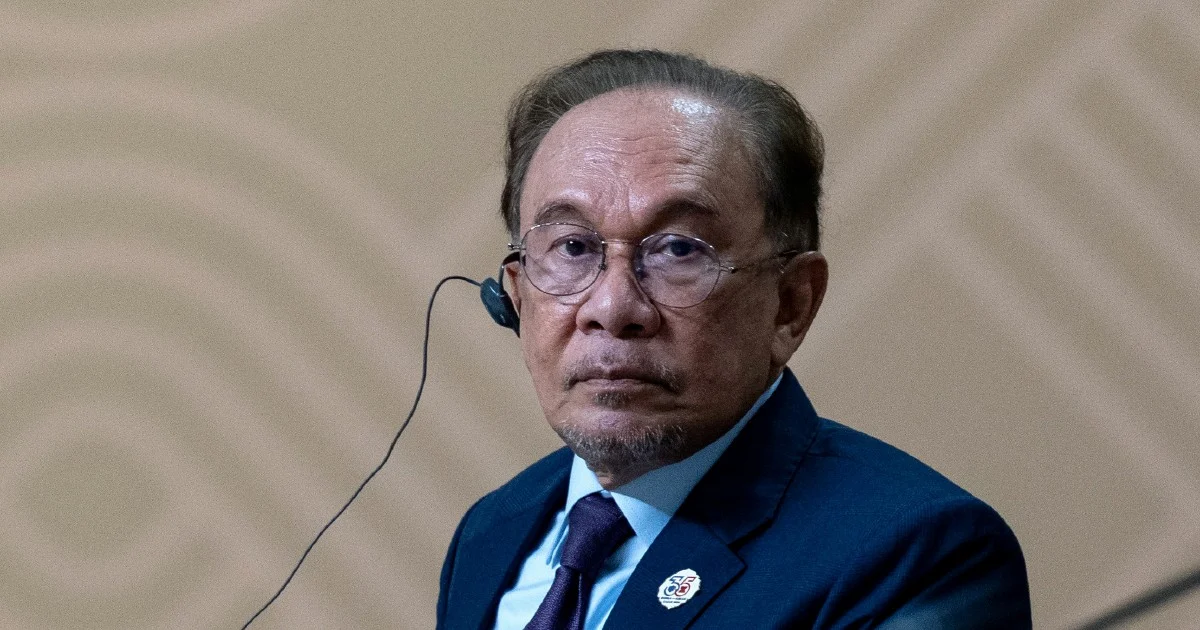
The High Court in Kuala Lumpur has set aside a subpoena that sought to compel Prime Minister Datuk Seri Anwar Ibrahim to testify in a RM30 million civil suit involving businessman Datuk Vinod Balachandra Sekhar and his wife. The judicial decision represents a significant development in a case that had attracted attention due to the involvement of Malaysia's top political office holder.
The ruling underscores the delicate balance the judiciary must strike when senior government officials become entangled in civil proceedings. The court's decision to overturn the subpoena reflects established legal principles regarding the obligations and protections afforded to heads of government, particularly when their testimony might not be essential to resolving the core dispute at hand. This development is consistent with judicial precedent in Commonwealth jurisdictions, where courts have historically recognised the demands of high office and the potential disruption to national governance that might result from requiring a sitting prime minister to participate in protracted legal proceedings.
The background to this dispute remains unclear from available details, but the involvement of a RM30 million claim suggests a matter of substantial commercial or financial consequence. Civil suits of this magnitude typically involve complex financial transactions, contractual disputes, or alleged breaches of agreement. The fact that Datuk Vinod Balachandra Sekhar and his wife featured as defendants indicates the case likely centres on their business dealings or personal affairs. The initial decision to subpoena the Prime Minister suggests the plaintiffs' legal team believed his evidence would be material to establishing their case.
The subpoena mechanism is a cornerstone of civil litigation, allowing parties to compel witness testimony deemed relevant to disputed facts. However, courts retain discretion to set aside such orders when they determine the evidence is not genuinely necessary, unduly burdensome, or when compelling testimony would be disproportionate to the dispute's significance. The High Court's action suggests the bench concluded that the Prime Minister's potential evidence did not meet the threshold required to overcome the traditional deference shown to the executive branch.
For Malaysia's political landscape, the judgment carries implications beyond this particular case. It establishes or reinforces that even civil disputes involving prominent businesspeople cannot automatically leverage the Prime Minister's involvement as a witness. This principle protects executive capacity while maintaining the rule of law—a critical tension in any democracy where senior officials must remain subject to judicial processes without being perpetually entangled in civil litigation. The decision reflects mature democratic jurisprudence that recognises the distinction between accountability and disruption.
The ruling also carries implications for business practice and corporate dispute resolution in Malaysia. Litigants cannot assume that subpoenaing high-ranking government officials will substantially strengthen their cases or force favourable settlements. This creates incentives for parties to develop their evidence independently rather than relying on testimony from the political apex. For the business community, particularly those engaged in complex commercial disputes, the judgment underscores the importance of maintaining comprehensive documentation and relying on direct evidence rather than peripheral witnesses.
From a regional perspective, Malaysia's approach aligns with jurisprudential trends across Southeast Asia and the broader Commonwealth. Neighbouring jurisdictions including Singapore and Australia have grappled with similar questions regarding the summoning of senior political figures in civil proceedings. Courts across the region have generally favoured judicial restraint when such summonses are issued, recognising that governance requires temporal availability and that civil disputes, however significant commercially, must be weighed against legitimate claims on executive attention.
The legal principles underlying this decision likely turn on whether the Prime Minister's testimony was truly essential or whether other evidence could adequately establish the facts in dispute. This distinction matters considerably: courts are more inclined to set aside subpoenas when evidence is merely corroborative rather than foundational. In commercial disputes, extensive documentary evidence, expert testimony, and accounts from direct parties often suffice to resolve contested matters without requiring senior government witnesses.
For Datuk Vinod Balachandra Sekhar and his wife, the outcome requires reassessment of their litigation strategy. They must now rely on alternative evidence sources and witnesses more readily available for court appearance. This may involve calling business partners, accountants, or other individuals directly involved in the transactions at issue. The High Court's decision essentially narrows their evidentiary options, though it does not necessarily undermine their substantive claims if those claims rest on solid factual foundations.
The judgment also reflects evolving judicial attitudes toward the interplay between executive governance and civil accountability. Rather than treating the Prime Minister as immune from civil process—which would contradict rule-of-law principles—courts have developed more nuanced approaches that respect both executive function and judicial access. By setting aside this particular subpoena, the High Court has signalled that testimony from the nation's chief executive requires a higher threshold of necessity than testimony from ordinary citizens or even mid-level officials.
Looking forward, the decision may influence how future civil disputes involving prominent government-connected figures proceed. Litigants will likely become more strategic about which witnesses they pursue, focusing energies on those whose attendance is both feasible and genuinely necessary. This evolution promotes more efficient civil litigation while preserving judicial authority to compel testimony when circumstances genuinely warrant.

