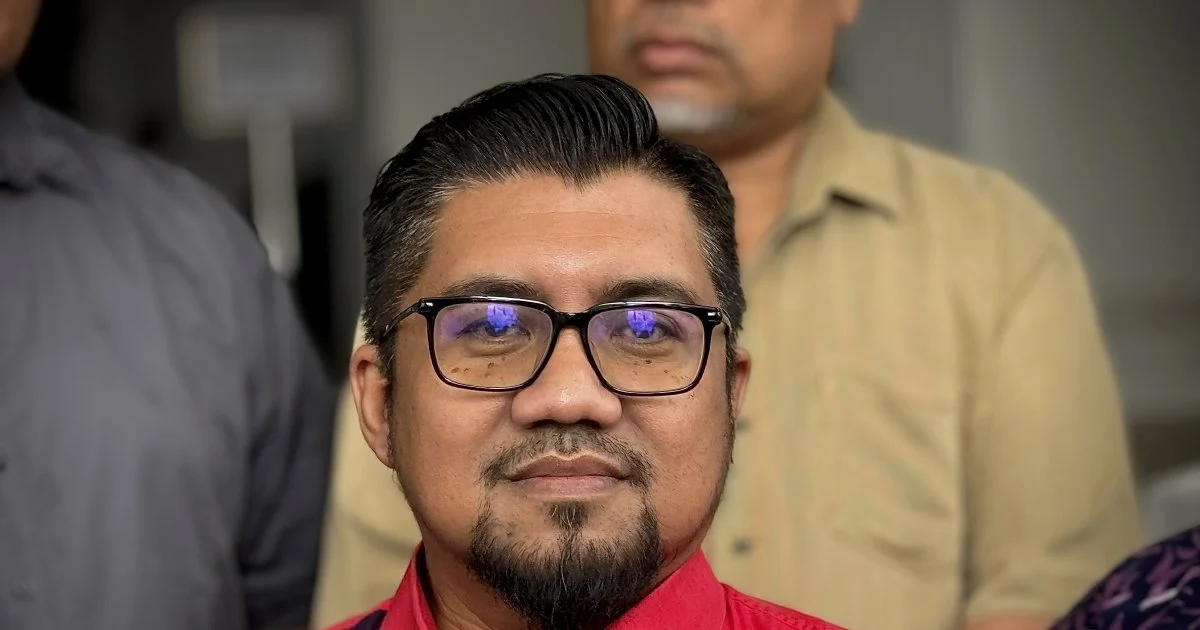
The High Court in Kuala Lumpur has overturned a previous acquittal in the defamation case involving political activist Badrul Hisham Shaharin, directing him to proceed to the defence stage of his trial. The reversal centers on charges that Shaharin defamed His Majesty Sultan Ibrahim, the King of Malaysia, through public statements concerning an alleged audience with senior political figures dating back two years. The court's decision marks a significant turning point in a case that has drawn considerable attention within Malaysian political and legal circles.
Badrul Hisham Shaharin, widely known by his moniker Che'gu Bard, had previously been acquitted at the close of the prosecution's case, a ruling that prosecutors subsequently challenged. The initial acquittal suggested that the court found insufficient evidence to support the defamation allegations against the activist. However, the High Court's determination to overturn this decision and compel Shaharin to mount a substantive defence indicates that the appellate bench identified sufficient grounds to proceed with the trial, effectively reinstating the charges against him.
The underlying statements in question relate to remarks Shaharin allegedly made regarding a meeting involving prominent political personalities approximately two years prior. The specifics of what audience was referenced and the exact nature of the purported statements remain subjects of judicial scrutiny. Defamation cases involving the monarchy in Malaysia operate within a distinctive legal framework that affords enhanced protections to the institution of the Sultan, reflecting the constitutional significance accorded to the position under Malaysian law.
This development has implications for understanding how Malaysian courts balance free speech with protections afforded to the monarchy and other high-ranking figures. Defamation law in Malaysia permits individuals to pursue legal remedies against statements they consider injurious to their reputation, and cases involving the Malay rulers proceed with particular gravity. The High Court's reversal demonstrates the court's willingness to scrutinise preliminary acquittals and ensure that cases proceed to full trial when sufficient evidence warrants further examination.
Badrul Hisham's positioning as a political activist adds a layer of public interest to the proceedings. Political activists in Malaysia frequently navigate complex legal terrain when making public statements that touch on matters of national importance or institutional criticism. The boundary between legitimate political discourse and statements that cross into defamation remains contested ground, with courts required to adjudicate these disputes on a case-by-case basis while ensuring both free expression and protection of individual reputation.
The reversal of acquittal itself is a procedural mechanism that allows appellate courts to examine whether a trial court's assessment of evidence sufficiently supported dismissal of charges. This process ensures that premature termination of cases does not occur through insufficiently reasoned acquittals. In Shaharin's situation, the High Court apparently determined that the evidence presented warranted continuation of the trial, allowing the defence to present its counter-arguments before a final determination of guilt or innocence.
For Malaysian observers, the case underscores the ongoing tension between protecting institutional dignity and preserving meaningful space for public discourse. While monarchical institutions occupy a revered position in Malaysian constitutional and social life, questions about what constitutes defamatory speech versus permissible criticism remain subject to ongoing legal interpretation. Courts must navigate these sensitive issues while respecting both constitutional protections and the foundational principles underlying democratic societies.
The requirement that Shaharin now enter his defence means he will have opportunity to present evidence, call witnesses, and make legal arguments addressing the defamation charges. This stage provides the defence with the platform to demonstrate why the statements in question should not be considered defamatory, whether through contextual explanation, factual justification, or other legally recognised defences. The trial's progression to this phase does not predetermine outcome but rather ensures that both prosecution and defence exhaust their respective cases before judgment.
This case occurs within the broader context of Malaysian legal proceedings involving public figures and institutions. Other activists and commentators face various legal challenges relating to statements made in public forums, whether through traditional media, social platforms, or public gatherings. The precedent emerging from Shaharin's trial may influence how courts subsequently assess similar cases involving allegations of defamation against high-ranking personalities.
The reversal also reflects judicial philosophy regarding appellate intervention in acquittals. Some legal systems restrict such intervention significantly, while others, including Malaysia's, permit appellate courts to reconsider acquittals under defined circumstances. The High Court's decision to intervene here suggests the bench believed the original acquittal overlooked critical evidentiary considerations or misapplied relevant legal principles.
Observers of Malaysian law and politics will monitor how the defence unfolds and what arguments Shaharin's legal team advances. The trial's eventual outcome may provide clarity on how Malaysian courts interpret the intersection between free speech, political commentary, and defamation protections for senior state officials. Such clarity remains valuable for anyone engaging in public discourse touching on matters involving the monarchy or other protected figures in Malaysian society.

