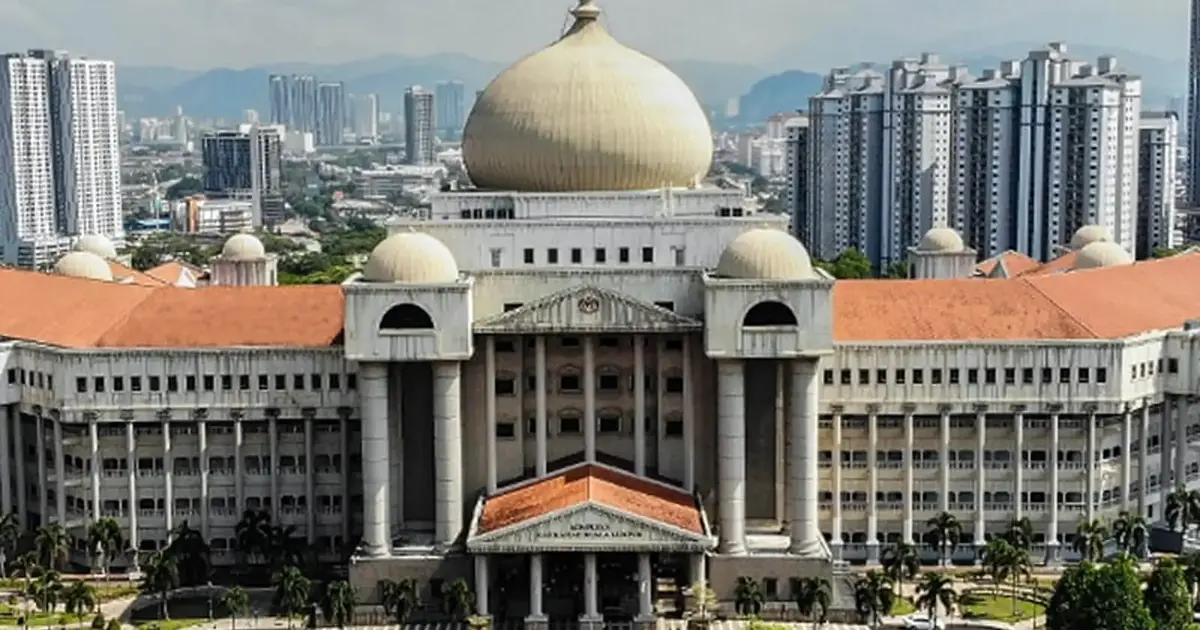
Malaysia's High Court has delivered a significant ruling on the boundaries of ministerial accountability, determining that the sitting prime minister cannot be compelled to give evidence in a RM30 million lawsuit. The court rejected a subpoena seeking to place the prime minister in the witness stand, concluding that his testimony would not constitute material evidence in the case.
The judgment addresses a fundamental tension in Malaysian jurisprudence between the obligations of justice and the practical demands of governing a nation. While courts possess broad powers to summon witnesses deemed relevant to proceedings, the High Court's decision hinges on the principle that not every potential witness need testify simply because a party seeks their involvement. The distinction between a person with knowledge of facts and a material witness—one whose evidence directly addresses disputed issues—proved decisive in this instance.
The context of political litigation in Malaysia has evolved considerably over recent years, with numerous cases involving senior government figures attracting public scrutiny and legal complexity. This ruling suggests the judiciary recognises a distinction between matters of public curiosity and evidence genuinely probative to the questions a court must resolve. Such boundaries gain particular importance given Malaysia's position as a constitutional monarchy with a prime minister wielding executive authority, where the practical functioning of government cannot be entirely subordinated to litigation demands.
For the plaintiff pursuing the RM30 million claim, the judgment represents a setback in their litigation strategy. They had apparently believed the prime minister possessed knowledge or evidence bearing upon their allegations. Yet the High Court's assessment—that the PM's involvement would not illuminate contested facts—suggests the legal case can proceed and be determined through other evidence and witnesses. This reflects a judicial pragmatism about the limits of what testimony can usefully contribute to civil proceedings.
The ruling carries implications extending beyond this particular dispute. It establishes precedent regarding the threshold for compelling testimony from senior state officials in Malaysia. Future litigants seeking to place prime ministers, ministers, or other office-holders on the witness stand will face heightened scrutiny about whether their presence genuinely serves the interests of justice or merely represents tactical harassment. Such demarcation protects both the integrity of judicial processes and the ability of government to function.
From a Southeast Asian perspective, Malaysia's approach reflects considerations common across the region's constitutional democracies. Thailand, Singapore, and Indonesia have similarly grappled with questions about witness obligations for sitting leaders. The Malaysian court's reasoning—focusing on materiality rather than categorical immunity—suggests a middle path between absolute privilege for officials and unlimited vulnerability to summons.
The decision does not grant blanket immunity to the prime minister from future testimony. Rather, it establishes that subpoenas must demonstrate genuine relevance to disputed matters. This distinction preserves the principle that no person, regardless of office, is wholly above the law, whilst acknowledging practical realities of governance. The court has not said the PM can never be compelled to testify; it has said this particular case did not warrant his involvement.
For Malaysian legal practitioners, the judgment provides clearer guidance on framing witness requests involving senior officials. Those seeking such testimony must articulate precisely how the witness's knowledge bears upon contested issues, rather than relying on general assertions about relevance or speculative connections to the dispute. This elevation of pleading standards reflects mature judicial administration.
The political resonance of the ruling invites consideration of how public confidence in judicial independence operates. Malaysian courts have faced criticism from various quarters regarding their handling of cases with political dimensions. This decision, by applying principled tests rather than either reflexively protecting a sitting PM or reflexively summoning him, demonstrates an attempt at institutional neutrality. Whether that perception aligns with public reception remains to be seen.
The plaintiff retains other avenues to advance their RM30 million claim. They may pursue discovery of documents the PM's office holds, examine other witnesses with relevant knowledge, or present circumstantial evidence addressing the disputed allegations. The case's outcome now depends on the quality of remaining evidence rather than the plaintiff's ability to cross-examine the prime minister directly.
This judgment arrives amid broader regional discussions about accountability, governance, and the role of courts in political systems. Malaysia's experience, alongside cases in neighbouring jurisdictions, contributes to developing jurisprudence about how courts should balance the public interest in having all potentially relevant information against the practical need for government operations to proceed without constant litigation disruption.
The High Court's reasoning ultimately rests on a straightforward proposition: testimony that does not bear materially upon the issues courts must decide serves neither justice nor efficient administration of law. Applying this standard neutrally, whether to prime ministers or ordinary citizens, reflects the judicial restraint necessary for courts to maintain legitimacy and effectiveness within democratic systems. The plaintiff may pursue their RM30 million claim through other means, but the PM's witness stand shall remain empty in this particular controversy.

