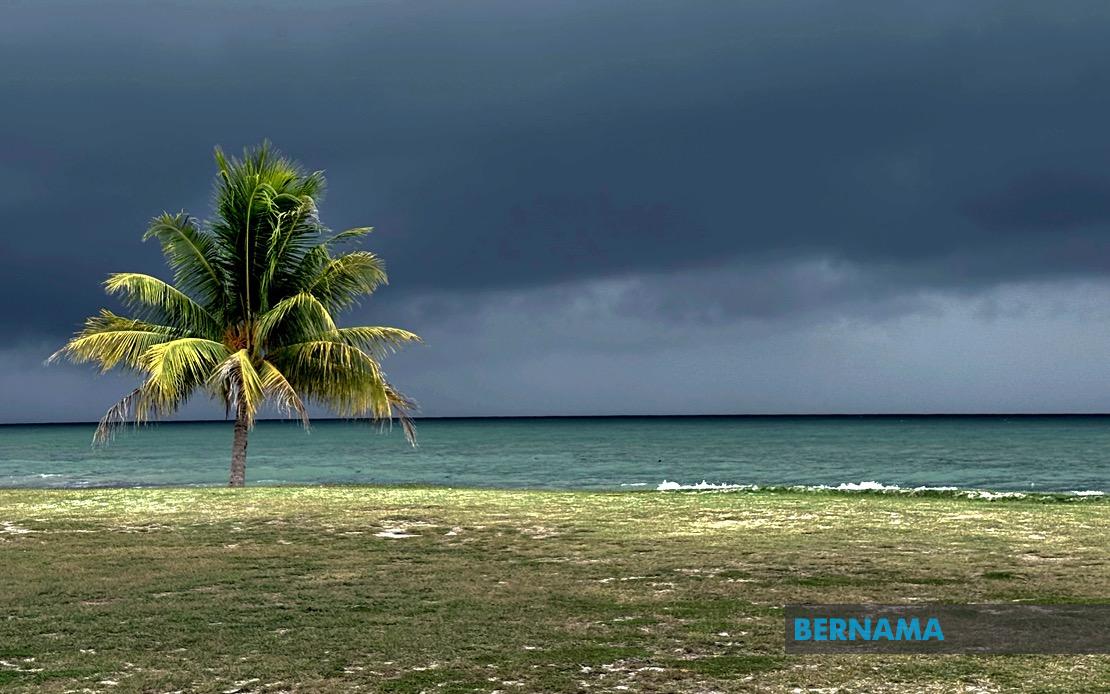
Residents across five Malaysian states face potentially dangerous weather conditions as the Malaysian Meteorological Department issues an urgent alert for thunderstorms, heavy rain and strong winds extending until 11 pm. The warning affects populated areas spanning both Peninsular Malaysia and the East Malaysian states, requiring vigilance from communities in flood-prone and weather-exposed regions.
On the peninsula, the adverse conditions are forecast to impact several districts across the east coast. Kelantan will experience the brunt of the storm system, with warnings specifically targeting Kota Bharu, Bachok, Machang and Pasir Puteh. The state's northern regions and coastal areas are particularly vulnerable to rapid accumulation of rainfall and localized flooding. Terengganu's Kemaman district, situated along the coast and encompassing both lowland and hilly terrain, faces similar threats from the approaching weather system.
Pahang, as the nation's largest state with diverse topography ranging from coastal plains to interior highlands, will see storm activity concentrating on Jerantut, Temerloh, Maran and Kuantan. These districts include both riverine communities susceptible to flash flooding and urban centers where drainage systems may become overwhelmed during intense rainfall. The geographic spread of the warning across Pahang underscores the broad extent of the weather disturbance affecting the region.
In East Malaysia, Sarawak's Limbang division, which includes the Lawas district near the Brunei border, has also been placed under alert. This region's position in northern Sarawak and its exposure to weather systems traversing the South China Sea make it particularly susceptible to sudden meteorological changes. The warning here reflects the meteorological department's assessment that the storm system's influence extends well beyond peninsular boundaries.
Sabah faces the most geographically dispersed warning among the affected states, with three separate regions identified as vulnerable. The Interior division, encompassing Nabawan and Keningau, experiences weather patterns heavily influenced by terrain and altitude variations. The West Coast region, including Ranau, faces exposure to weather systems moving across the South China Sea. Sandakan and surrounding districts in the east coast area, including Tongod, Telupid and Beluran, represent coastal and semi-interior zones where storm surge and heavy rainfall pose compound hazards.
Thunderstorms of this magnitude warrant serious preparation from affected communities. Beyond the immediate dangers of lightning strikes during electrical storms, the combination of heavy rain and strong winds creates cascading risks. Flash flooding becomes a critical concern in low-lying areas and along river systems, particularly in districts with limited drainage infrastructure or those downstream from higher terrain. Strong winds can damage structures, uproot trees, and disrupt power supplies across broad areas.
For Malaysian travelers and commuters, the weather warning necessitates caution on roadways, especially in affected regions. Reduced visibility from heavy rain and potential debris on roads create hazardous driving conditions. Public transportation schedules may face disruptions, and those planning evening activities should reconsider travel plans that would expose them to the storm's peak intensity.
The meteorological department's specificity in identifying individual districts rather than issuing blanket state warnings demonstrates the localized nature of these weather phenomena. This precision allows residents to assess their direct exposure and take proportionate precautions. However, the breadth of the warning—spanning from Kelantan's northern coast to Sabah's interior and coast—indicates a substantial weather system moving across the region.
Historically, such warnings correlate with Malaysia's monsoon transition periods and localized convective activity during warmer months. The concentration of alerts on eastern peninsular states and East Malaysian territories suggests a weather pattern tracking across the nation's eastern exposures, a common trajectory during certain seasonal transitions. Communities with experience of previous storms in these regions should activate established emergency response protocols.
Residents are advised to secure loose outdoor items, avoid unnecessary travel during peak storm hours, and remain alert to local authority announcements regarding flooding or other weather-related disruptions. Those in areas previously affected by flooding should pay particular attention to rainfall intensity and water level changes in nearby waterways. The 11 pm deadline provides a timeframe for monitoring conditions, though some residual effects may persist beyond the formal warning period.

