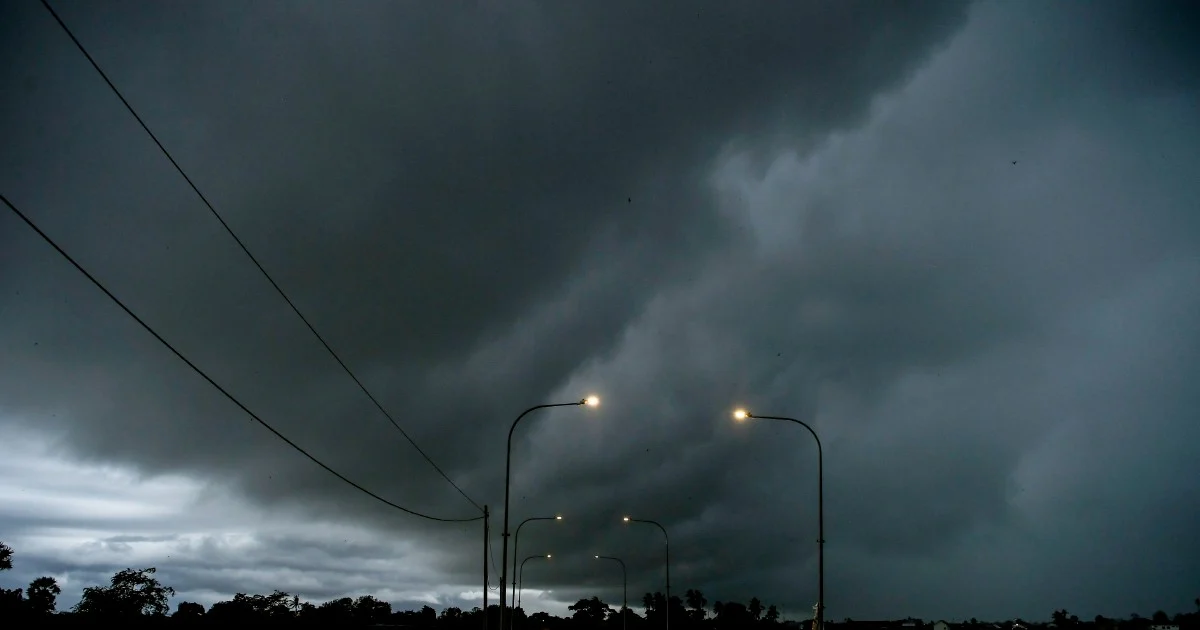
The Malaysian Meteorological Department issued a significant weather warning on Tuesday affecting broad swathes of the country, cautioning residents and travellers to prepare for hazardous atmospheric conditions. The alert encompasses multiple states across Peninsular Malaysia, the East Malaysian states of Sabah and Sarawak, with adverse weather expected to persist until the evening hours at 5pm. The warning signals a system capable of producing dangerous lightning strikes, torrential rainfall, and potentially damaging wind gusts that could disrupt normal activities and pose risks to public safety.
Thunderstorm systems of this nature typically develop when warm, moist air masses interact with atmospheric instability, creating rapidly ascending air currents that spawn cloud formation. During afternoon and evening hours when solar heating peaks, such conditions become particularly pronounced across the tropical region. The accompanying heavy rain component indicates rainfall intensity sufficient to overwhelm drainage systems in urban areas and potentially trigger flash flooding in low-lying zones and river valleys. Strong winds associated with these systems can cause structural damage to buildings, fell trees, and create hazardous conditions for maritime activities and outdoor operations.
Peninsular Malaysia encompasses the country's most densely populated corridor, including the federal territories of Kuala Lumpur, Labuan and Putrajaya, as well as thirteen states. The warning's coverage of multiple jurisdictions suggests a system of considerable geographical extent, potentially affecting millions of residents simultaneously. Urban centres such as Kuala Lumpur, Selangor, Penang and Johor Bahru face particular vulnerability due to their infrastructure density and reliance on drainage systems that may be overwhelmed by sudden heavy precipitation. Construction sites, outdoor markets, and transport hubs across these regions would face operational disruptions.
Sabah and Sarawak, the two Malaysian states on the island of Borneo, occupy a region characterised by equatorial climate patterns and monsoon influences. Sabah's capital Kota Kinabalu and Sarawak's main cities including Kuching experience frequent afternoon convective storms during certain seasons. The extension of the warning to these East Malaysian territories indicates that the atmospheric disturbance encompasses a vast area stretching across the entire nation, suggesting a well-organised weather system rather than isolated thundercells. The timing until 5pm implies that evening hours may see some moderation in storm intensity as solar heating diminishes.
Flyers and transport operators should note the heightened risks associated with such conditions. Lightning poses the primary hazard to aircraft operations, potentially triggering airport closures or flight delays. Maritime vessels operating along Malaysian coastal waters face challenges from sudden wind shifts and wave heightening. Ground transportation networks may experience reduced visibility during heavy downpours, while road surfaces could become treacherous from water accumulation. Public commuters should allow extra travel time and exercise caution during the warning period.
Residents in affected areas are advised to secure loose outdoor items that could become wind-borne projectiles, avoid open areas during lightning activity, and remain indoors where possible until conditions improve. Outdoor events scheduled for the afternoon should be reconsidered or relocated to covered venues. Those working in exposed occupations face particular vulnerability and should take appropriate shelter when storm activity intensifies. Power supply disruptions remain a risk if strong winds damage electrical infrastructure.
The Malaysian Meteorological Department's issuance of formal warnings reflects established protocols for communicating significant weather hazards to the public and relevant authorities. Such alerts enable emergency services to prepare response capacities and allow individuals and organisations to implement protective measures. The specificity of the 5pm endpoint indicates meteorological confidence in the expected duration and evolution of the weather system. Beyond this time, conditions may gradually stabilise, though localised pockets of rain could persist into the evening in some areas.
Climate patterns across Malaysia typically favour afternoon thunderstorm development, particularly during inter-monsoon periods when atmospheric conditions become particularly unstable. The current warning falls within seasonal parameters for such weather events, though intensity and coverage can vary significantly. Residents should remain alert to updates from MetMalaysia, as forecasts may be refined as the system develops. Social media platforms and the department's official channels provide real-time information updates that supersede earlier bulletins.
Businesses and government agencies operating across affected states should activate contingency protocols for weather disruptions. School operations, healthcare facility movements, and utility provider readiness all benefit from advance preparation. The comprehensive geographic scope of this warning underscores the interconnected nature of Malaysia's weather systems, where tropical atmospheric dynamics can simultaneously impact regions separated by hundreds of kilometres. Vigilance and preparedness remain essential for navigating this period of challenging weather conditions safely.

