The Health Ministry is pushing toward the conclusion of efforts to dismantle administrative barriers that have constrained the pipeline for training medical specialists, Health Minister Datuk Seri Dr Dzulkefly Ahmad announced at a Putrajaya press event on June 19. The acknowledgement comes as Malaysia confronts a substantial gap in specialist medical personnel, with estimates suggesting the nation faces a deficit of approximately 11,000 trained specialists operating across its public and private health sectors. The scale of this shortage underscores mounting pressure on the healthcare system to service an expanding population with increasingly complex medical needs.
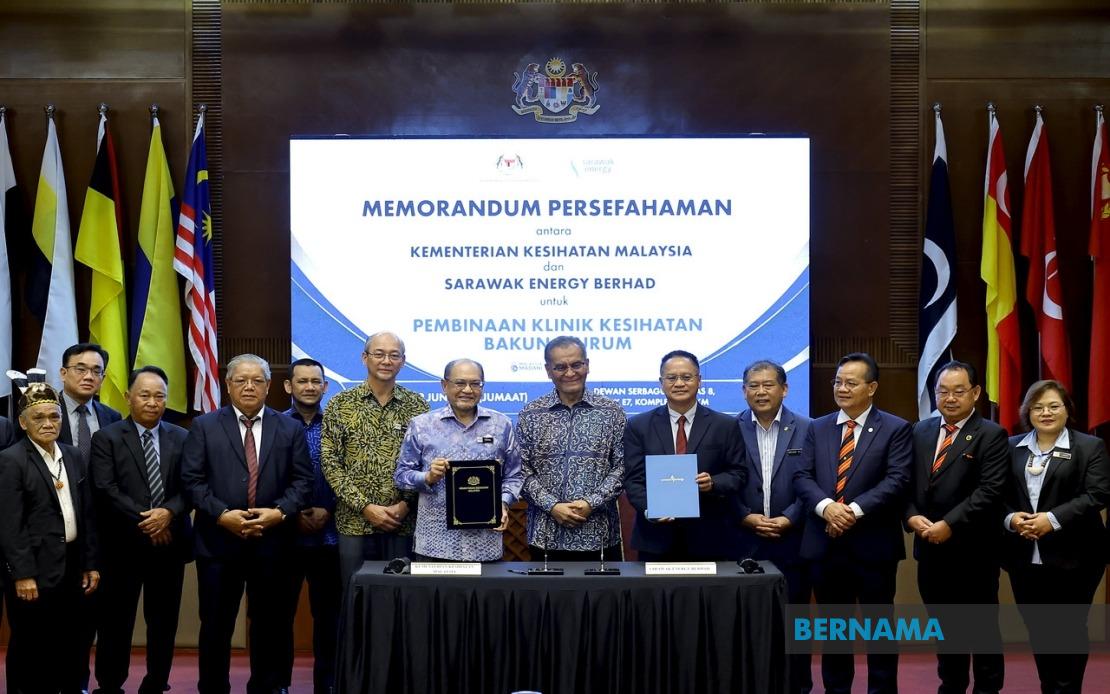
Dzulkefly's comments surfaced during remarks made after the ministry signed a memorandum of understanding with Sarawak Energy regarding construction of the Bakun-Murum Health Clinic. While announcing progress on the infrastructure initiative, the minister pivoted to address broader systemic challenges within healthcare workforce development. He confirmed that multiple procedural constraints within the health establishment had been pinpointed as impediments to accelerating the production of qualified specialists, and that remedying these obstacles remained a ministry priority. The acknowledgement represents a candid appraisal from leadership about institutional friction slowing reform.
The expansion of Malaysia's specialist cohort cannot be pursued in isolation from the country's healthcare infrastructure capacity, the minister emphasized. He stressed that recruiting and training additional specialists must proceed in concert with simultaneous improvements and expansion of medical facilities themselves. Such synchronization reflects a mature understanding that workforce scaling without corresponding physical and operational infrastructure creates unsustainable strain. Plans to grow the specialist base are being rolled out incrementally and calibrated against both current facility requirements and anticipated future healthcare demands.
Dzulkefly outlined a phased implementation strategy that accounts for the realities of Malaysia's healthcare geography and budgetary constraints. Rather than attempting rapid wholesale expansion that could overwhelm training systems or create employment mismatches, the ministry has anchored its approach to disciplined planning aligned with infrastructure development cycles. This methodical pace, while potentially frustrating to those seeking immediate relief from specialist shortages, reflects institutional recognition that poorly coordinated expansion creates inefficiencies and waste.
In the interim period while comprehensive structural solutions are being finalized, the Health Ministry has implemented a cluster crisis management framework. This temporary operational model leverages coordination mechanisms among hospitals within regional groupings alongside affiliated health clinics to optimize resource utilization. The system permits dynamic redeployment and reorganization of medical and administrative personnel in response to operational pressures and patient volume fluctuations across networked facilities. Rather than viewing individual hospitals as siloed units, clustering facilitates shared responsibility and flexible staffing.
The clustering approach represents pragmatic crisis management designed to sustain uninterrupted healthcare service delivery despite workforce constraints. By orchestrating personnel movement and task redistribution across interconnected facilities, the ministry seeks to distribute workload pressures more equitably and prevent bottlenecks at any single institution. This intermediate strategy buys time for the comprehensive solutions being finalized while signaling to healthcare workers that leadership recognizes the sustainability challenges they face.
The 11,000-specialist shortage cited by the ministry encompasses vacancies affecting both the government-run public healthcare system and the private sector. This cross-sectoral nature of the shortfall suggests systemic training and retention challenges extending beyond any single health provider. Malaysia's medical education pipeline, specialist training programs, and workforce retention strategies all require examination and potential recalibration to address the gap adequately. The shortage's breadth indicates that isolated interventions targeting only public or private healthcare will prove insufficient.
For Malaysian patients and regional healthcare stakeholders, the specialist deficit carries immediate and long-term implications. Public hospital specialists often operate at maximum capacity, contributing to extended waiting periods for procedures and consultations. This constrained access to specialized care can delay diagnoses and treatment, potentially worsening patient outcomes. The shortage also affects the quality of training available to junior doctors and medical residents, as overextended senior clinicians struggle to maintain adequate mentorship alongside clinical duties.
The ministry's acknowledgement that bureaucratic constraints require resolution signals openness to examining institutional processes that may unnecessarily complicate specialist training pathways. These impediments might encompass credentialing procedures, regulatory approval timelines, or administrative requirements that extend training duration beyond clinical necessity. Streamlining such processes, particularly if they duplicate oversight functions or impose outdated requirements, could accelerate specialist production without compromising quality or safety standards.
For Malaysia's healthcare system to remain functional and competitive regionally, addressing the specialist shortage must extend beyond rhetorical commitment to concrete institutional reform. Southeast Asian competitors including Thailand and the Philippines have invested heavily in medical education and specialist training expansion. Malaysia's ability to retain trained specialists and attract talent from abroad depends partly on competitive working conditions, professional development opportunities, and career advancement pathways that the current system may not adequately provide.
The timeline for resolving identified bureaucratic hurdles remains unspecified, representing a potential concern for healthcare administrators and clinicians already managing workload pressures. Clear deadlines and measurable milestones would provide the healthcare community with concrete expectations regarding when comprehensive reforms will take effect. The phrase "final stages" suggests resolution may be imminent, yet without specific dates or deliverables announced, precise accountability remains opaque.
Moving forward, the Health Ministry must balance necessary caution regarding rapid workforce expansion against the genuine urgency created by 11,000-person specialist shortfall. The cluster crisis management interim approach can sustain operations for a defined period, but cannot indefinitely substitute for durable structural solutions. Stakeholders will monitor closely whether announced reforms materialize on expected timelines and whether specialist training pathways genuinely accelerate once bureaucratic obstacles are cleared.

