The HAWANA 2026 Summit opening in Butterworth this week features a specially curated photo exhibition that documents the evolution of Malaysia's National Journalists' Day since its inception in 2018, while simultaneously highlighting the humanitarian work of the Tabung Kasih@HAWANA fund that has supported journalists and media veterans through difficult personal circumstances. This dual-purpose gallery serves as both historical record and testament to the media industry's commitment to looking after its own, presenting an often-overlooked aspect of journalism beyond daily news production.
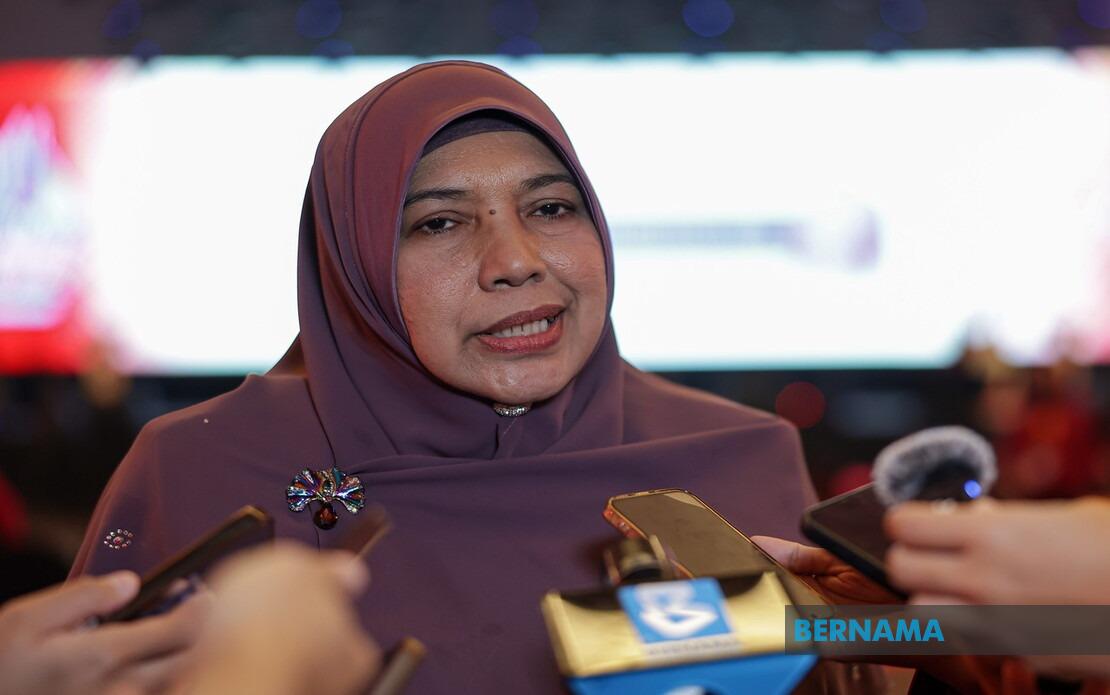
Datin Paduka Nur-ul Afida Kamaludin, chief executive officer of the Malaysian National News Agency (Bernama), explained that the exhibition has been thoughtfully divided into two complementary sections. The first traces the growth and development of the HAWANA celebration across its seven-year history, while the second provides visual narratives of individuals who have benefited from the Tabung Kasih@HAWANA assistance programme, transforming abstract charitable work into tangible human stories that gallery visitors can connect with emotionally.
As chairman of the HAWANA 2026 Working Committee, Nur-ul Afida emphasised the significance of this exhibition in shifting public perception of Bernama's role in the Malaysian media landscape. Rather than remaining confined to news agency operations, the gallery demonstrates Bernama's broader institutional commitment to nurturing the journalism profession and supporting those whose careers have been disrupted by health crises or personal challenges. This positioning transforms a government news agency into a visible patron and custodian of professional solidarity within the media sector.
The exhibition addresses what Nur-ul Afida described as an important messaging objective: recognising the collective contributions of Malaysian media practitioners to national discourse while simultaneously illustrating concrete evidence of how the HAWANA initiative and its associated Tabung Kasih fund have translated goodwill into practical assistance. Many readers and media observers remain unaware of the financial vulnerability many journalists face, particularly veteran reporters and those dealing with serious illness, making visible representation of these stories valuable for public understanding.
Beyond celebrating professional achievements, the gallery functions as a memory space where media practitioners who participated in previous HAWANA events can reconnect with their experiences. The emotional geography of these celebrations—venues ranging from Kuala Lumpur to Melaka, Ipoh, and Kuching—reflects an intentional strategy to bring the national journalists' day celebration across different Malaysian regions, ensuring representation and participation from media communities throughout the peninsula and East Malaysia.
Mohamad Bakri Darus, editor of Bernama's Photo Desk, detailed the meticulous curatorial process behind the exhibition. Each photograph was deliberately selected by the Bernama team for its ability to communicate specific narratives and moments from HAWANA history. Critically, all captions appear bilingually in Malay and English, reflecting Malaysia's linguistic reality and ensuring accessibility across the diverse Malaysian media landscape where English and Malay remain professional working languages.
The exhibition content encompasses the full range of HAWANA programming, documenting everything from strategic partnership meetings and media forums to cultural activities like the HAWANA-DBP Pantun Festival, carnival exhibitions, and sports competitions. This breadth reveals HAWANA as not merely a ceremonial occasion but rather a comprehensive gathering that combines professional development with cultural celebration and recreational engagement, thereby strengthening bonds within the journalism community beyond traditional work relationships.
The timing of this exhibition within the HAWANA 2026 Summit framework—with Prime Minister Datuk Seri Anwar Ibrahim scheduled to officiate proceedings at the PICCA Convention Centre @ Arena Butterworth—signals significant political endorsement for journalism as a profession and recognition of the media's contribution to Malaysian society. Prime ministerial attendance at journalism celebrations has historically served to reinforce government appreciation for responsible media practice and professional journalism standards.
For Malaysian journalism students and younger media professionals attending the summit, the gallery serves an educational function, providing historical context for the HAWANA celebration they may have heard about but never fully understood. The visual documentation of eight years of celebrations, combined with narratives of assistance recipients, demonstrates that journalism communities are not merely competitive commercial enterprises but cooperative professional bodies with mutual welfare obligations.
The exhibition's emphasis on Tabung Kasih@HAWANA's humanitarian work deserves particular attention within the Malaysian context, where discussion of media professional welfare remains comparatively limited compared to other sectors. By placing recipient stories alongside celebration highlights, the gallery implicitly argues that supporting vulnerable journalists constitutes a professional responsibility shared across the industry, from major news organisations to independent practitioners.
This photographic documentation also captures the professionalization of HAWANA itself over nearly a decade, from its initial establishment through increasingly sophisticated iterations that now involve strategic partnerships and structured programming. The progression evident in visual materials across different years demonstrates institutional learning and adaptation, showing how a professional celebration event has evolved to better serve Malaysia's diverse media landscape.
Ultimately, the HAWANA 2026 photo gallery represents an investment in institutional memory during an era when media landscapes undergo rapid technological and economic transformation. By preserving visual records of how the journalism profession has gathered, celebrated, and supported its members, the exhibition ensures that future generations of Malaysian media practitioners can understand their professional heritage and the community structures designed to sustain them through career challenges.

