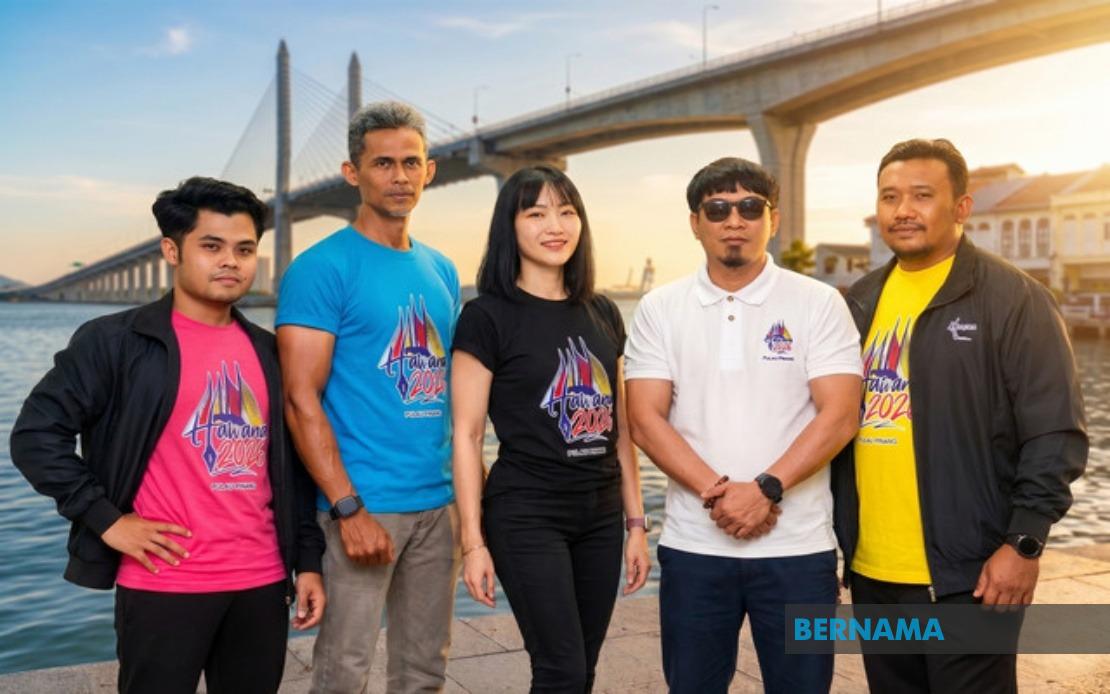
The National Journalists' Day (HAWANA) 2026 celebration in Penang will debut a specially curated range of commemorative merchandise when the main event takes place on June 20 at PICCA@ Arena Butterworth Convention Centre. This exclusive collection marks a shift toward making the nation's largest gathering of media practitioners a more memorable occasion through branded keepsakes that capture the spirit of this year's theme, "Media Integrity Strengthens Credibility."
The limited-edition merchandise line comprises three carefully selected items designed to appeal to journalists and media enthusiasts attending the celebration. A bomber jacket priced at RM59 serves as the premium offering, complemented by a collared T-shirt at RM37 and a round-neck variant at RM30. Each piece bears the official HAWANA 2026 identity and logo, transforming what might otherwise be ordinary apparel into tangible mementos of the event. The tiered pricing strategy suggests the organisers have considered accessibility for attendees while maintaining quality standards befitting such a significant professional gathering.
The merchandise will be available exclusively at the HAWANA Official Merchandise booth positioned within the convention centre venue. The HAWANA 2026 Secretariat has emphasised that these items represent far more than commercial offerings—they embody a gesture of solidarity and commemoration for Malaysia's journalism community. The decision to produce limited quantities adds scarcity value, encouraging attendees to secure their preferred items early and reinforcing the commemorative nature of the collection. The secretariat has indicated that supplies will be available throughout the event duration, though the "while stocks last" caveat suggests demand may exceed initial projections.
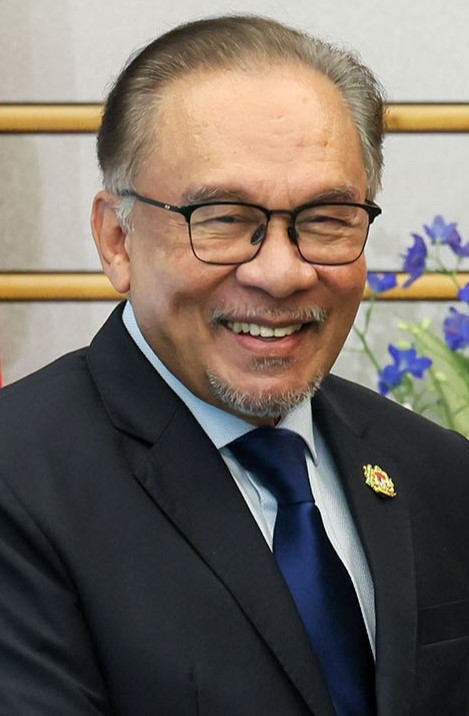
Prime Minister Datuk Seri Anwar Ibrahim will officiate the main ceremony, lending significant political weight and visibility to the proceedings. This high-level participation underscores the Malaysian government's commitment to recognising the journalism profession's contributions to national development and democratic discourse. The presence of the Prime Minister elevates HAWANA 2026 beyond a professional networking event into a state-sanctioned celebration of media's role in society, a particularly potent message given contemporary global concerns about press freedom and journalistic independence.
The broader HAWANA 2026 programme extends considerably beyond the single-day main event. The Ministry of Communications, in collaboration with Bernama (the Malaysian National News Agency) as the implementing agency, has structured celebrations across multiple platforms and timeframes. This multi-layered approach reflects an understanding that meaningful engagement with Malaysia's dispersed media community requires diverse formats and extended programming rather than a single concentrated gathering.
Complementing the primary celebration is the RIUH Pi HAWANA Carnival, a three-day initiative commencing June 19 that deliberately integrates creative arts elements with substantive professional dialogue. This fusion of entertainment and education serves the dual purpose of attracting broader public interest while maintaining professional standards. The carnival's emphasis on inclusivity—featuring activities suitable for all ages—indicates organisers aim to position journalism as a profession of public interest rather than an insular industry concern. Young people exposed to media professionals and discussions during such events may develop greater appreciation for journalism's societal role and potentially consider career pathways in the field.
The thematic emphasis on "Media Integrity Strengthens Credibility" carries particular resonance in the contemporary Malaysian context. Global research consistently demonstrates declining public trust in media institutions, with misinformation and sensationalism undermining professional journalism's standing. By anchoring HAWANA 2026 around integrity, organisers signal commitment to reinforcing professional standards within the industry and communicating that commitment to the broader public. The merchandise itself becomes a walking advertisement for this message, with attendees becoming ambassadors for the principle that credible journalism depends fundamentally on ethical practice.
For Malaysian journalists, HAWANA represents an annual touchstone—a moment when the profession collectively pauses to reflect on its role, challenges, and opportunities. The commemoration serves psychological and motivational functions, particularly important in an era when many journalists face economic pressures, digital disruption, and evolving audience expectations. The merchandise transforms abstract recognition into concrete, portable reminders of professional belonging and shared purpose. This tangible aspect of appreciation should not be underestimated, particularly for practitioners working in smaller publications or digital outlets where professional validation mechanisms may be limited.
The decision to host the main celebration in Penang carries geographic significance often overlooked in Kuala Lumpur-centric analyses. Decentralising major national events to regional centres distributes opportunities and recognition beyond the capital, reinforcing that journalism matters throughout Malaysia's diverse landscapes. This approach particularly benefits journalists operating in Penang and surrounding regions who might otherwise face barriers in participating in centrally-located gatherings. The logistics of hosting such events regionally strengthen media communities in underrepresented areas and create networking opportunities that transcend typical urban-rural divides in the profession.
Bernama's central role as implementing agency reflects its status as Malaysia's national news institution with reach and resources to coordinate complex, multi-venue programming. The news agency's involvement lends institutional credibility while providing practical expertise in logistics and media coordination. For international observers, Bernama's prominent position in HAWANA underscores the agency's significance within Malaysia's media ecosystem and its continued relevance in an era of digital transformation and market fragmentation.
The merchandise initiative, while seemingly modest, reflects evolving approaches to professional recognition and community building within the journalism sector. Physical commemorative items create lasting impressions and visible symbols of professional identity that digital certificates or acknowledgments cannot replicate. In an increasingly fragmented media landscape where journalists may work remotely or across multiple platforms simultaneously, such tangible reminders of collective professional identity serve important psychological and community-building functions.
For Southeast Asian observers, Malaysia's approach to celebrating and recognising journalism professionals offers instructive lessons about supporting media health in democratic societies. The integration of high-level political participation, professional recognition, public engagement through carnival programming, and commercial elements through merchandise sales demonstrates a comprehensive strategy for elevating journalism's social standing. As media institutions across the region navigate unprecedented challenges, such multifaceted approaches to professional support and public appreciation merit attention and potential adaptation.