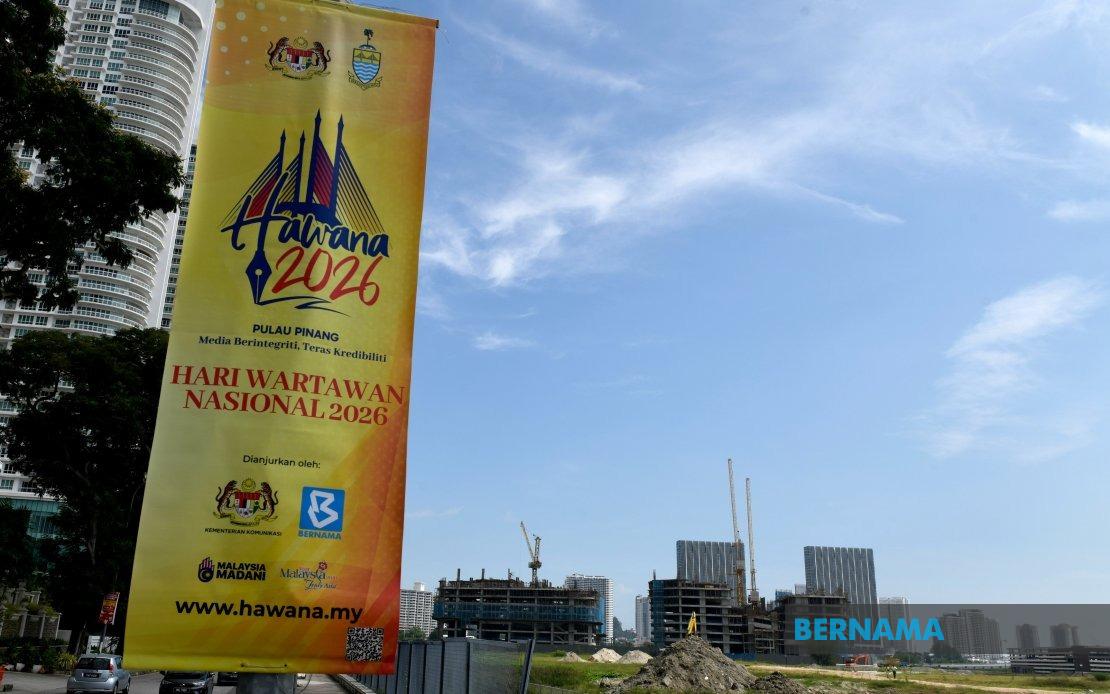
Penang has secured a significant economic opportunity by becoming the inaugural host of the National Journalists' Day (HAWANA) celebration in 2026, a development that state officials believe will substantially elevate the island's profile as a regional tourism and creative economy hub. The three-day event, scheduled from June 19 to 21 at Seberang Perai's PICCA Convention Centre @ Butterworth Arena, represents more than a ceremonial gathering of media professionals—it signals Penang's growing capacity to attract and manage large-scale national events whilst simultaneously channelling visitor spending into local businesses and attractions.
The State Tourism and Creative Economy Committee chairman Wong Hon Wai underscored the strategic importance of Penang's selection, highlighting how the decision reflects broader recognition of the state's established credentials as a premier Malaysian tourism destination. By hosting HAWANA, Penang demonstrates its capability to deliver world-class event infrastructure and logistics to a demanding audience of media practitioners and government officials. This distinction is particularly valuable in positioning Penang ahead of competing regions within Southeast Asia, especially as the state continues to differentiate itself through authentic cultural offerings and innovative hospitality services.
The event's economic ramifications extend across multiple sectors crucial to Penang's development agenda. Hotel bookings have already strengthened considerably, according to Wong's statements, suggesting that operators recognised early the revenue potential of accommodating media delegations and accompanying visitors. Beyond lodging, the influx of approximately 1,000 journalists from Malaysia and abroad will generate demand across transport networks, dining establishments, retail facilities, and entertainment venues, effectively distributing economic benefits throughout the state's service economy. For smaller tourism operators and independent creative businesses, the concentration of high-value visitors during the three-day period presents opportunities to capture spending from professionals with purchasing power and media reach.
Central to Penang's marketing strategy is the narrative of leveraging media engagement for destination promotion. Wong articulated how journalists, as content creators and information gatekeepers, function as essential partners in shaping regional perceptions of tourism products and cultural attractions. When media practitioners experience Penang's offerings firsthand—its historical architecture, diverse food scene, contemporary creative spaces, and leisure facilities—they become informal ambassadors capable of translating those experiences into stories reaching readers across Malaysia and the broader ASEAN region. This organic, credibility-backed exposure carries marketing value that conventional advertising struggles to replicate, particularly among educated, digitally-connected audiences who consume regional media.
The creative economy component carries particular significance for Penang's long-term competitiveness. Wong emphasised how media visibility and coverage directly amplify local creative talent, whether in visual arts, music, design, or digital content production. By hosting a gathering of Malaysia's foremost journalists, Penang positions itself as a creative sector destination worthy of national attention and international collaboration. This alignment between the event and the creative economy aligns with broader Malaysian economic diversification strategies that increasingly view cultural production and creative services as growth engines competing effectively with traditional manufacturing and commodities sectors.
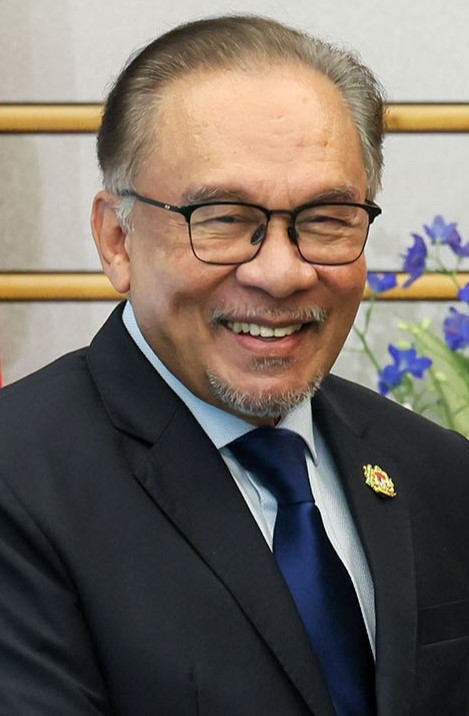
Prime Minister Datuk Seri Anwar Ibrahim will officiate the main HAWANA 2026 celebration on June 20, lending the event significant political profile and underlining the federal government's investment in media recognition and journalism as a profession. This high-level involvement signals that HAWANA extends beyond industry self-celebration to become a platform for articulating national values around media integrity, information quality, and professional standards. The ceremony, organised by the Ministry of Communications and executed by Bernama (Pertubuhan Berita Nasional Malaysia), reflects an institutional commitment to honouring the journalism profession whilst simultaneously using the occasion to communicate policy priorities and vision statements to the assembled media leadership.
Parallel to the main event, the RIUH Pi HAWANA Carnival represents a deliberate strategy to expand the gathering's public impact and community participation. Projections of 30,000 visitors attending the carnival over three days indicate that event organisers recognised the value of creating programming accessible beyond professional media circles. By incorporating 24 local creative brands, 20 food vendors, and 16 live musical performances from established artists such as Exists, Bunkface, Masdo, Sakura Band, Budak Nakal Hujung Simpang, and Chelsea Ng, the carnival democratises access to HAWANA whilst simultaneously showcasing Penang's contemporary cultural vitality. The free-admission structure removes financial barriers that might discourage attendance, maximising the number of residents and tourists experiencing curated representations of local creativity.
The carnival's emphasis on hands-on creative workshops and interactive activities reflects evolving approaches to cultural engagement, moving beyond passive consumption toward participatory experiences. Visitors exploring creative activities develop deeper appreciation for artistic disciplines and entrepreneurial pathways whilst supporting local creative practitioners economically. For emerging artists and small creative enterprises, the carnival platform provides exposure to 30,000 potential customers, collaborators, and supporters without the prohibitive costs of independent marketing campaigns. This model effectively harnesses public event infrastructure to democratise creative economy participation.
The thematic framework of HAWANA 2026—"Media Integrity Strengthens Credibility"—resonates powerfully within contemporary Southeast Asian contexts marked by proliferating misinformation, digital manipulation, and audience fragmentation. By anchoring the journalists' celebration to integrity and credibility, Malaysia's media establishment positions professional journalism as a stabilising force and essential public good. For Penang, hosting discussions and demonstrations around media integrity connects the state implicitly to values of transparency, accountability, and trustworthy information provision. This associative branding may subtly influence perceptions of Penang's governance and institutional reliability among regional observers and international stakeholders evaluating the state for investment, collaboration, or tourism engagement.
From a regional competitive perspective, Penang's hosting of HAWANA 2026 contributes to the state's broader positioning as Malaysia's primary gateway for Southeast Asian cultural exchange and media engagement. Unlike Kuala Lumpur's dominance in political and financial spheres, Penang has cultivated an identity around tourism accessibility, cultural authenticity, and creative innovation. By attracting ASEAN-region journalists alongside Malaysian practitioners, Penang strengthens networks linking it to media ecosystems across Thailand, Vietnam, Indonesia, and Singapore. These networking effects extend beyond the three-day event, potentially creating sustained channels for tourism promotion, cultural promotion, and creative sector collaboration that benefit Penang long after HAWANA 2026 concludes.
Hotels across Seberang Perai and greater Penang have reportedly confirmed sufficient accommodation capacity for the expected influx, demonstrating that infrastructure adequacy was confirmed before the event received approval. This readiness reflects both the state's existing tourism infrastructure and the private sector's confidence in demand forecasts. The accommodation sector's preparedness underscores how major events function as catalysts for tourism operators to enhance facilities, train staff, and refine service delivery standards. These improvements persist after events conclude, benefiting all subsequent visitors and strengthening Penang's reputation for professional hospitality management.
Looking forward, HAWANA 2026 exemplifies how strategically selected events can integrate tourism promotion, creative economy development, professional sector recognition, and public cultural engagement into cohesive experiences generating multiple simultaneous benefits. For Malaysian policymakers and tourism developers across Southeast Asia, Penang's model demonstrates that event hosting success depends not merely on securing prestigious gatherings but on thoughtfully designing accompanying programming that extends impact beyond professional circles to engage residents and broader communities. As regional competition intensifies for destination recognition and creative economy investment, states that master this integrative approach will likely capture disproportionate shares of media attention, tourism spending, and talent development opportunities.