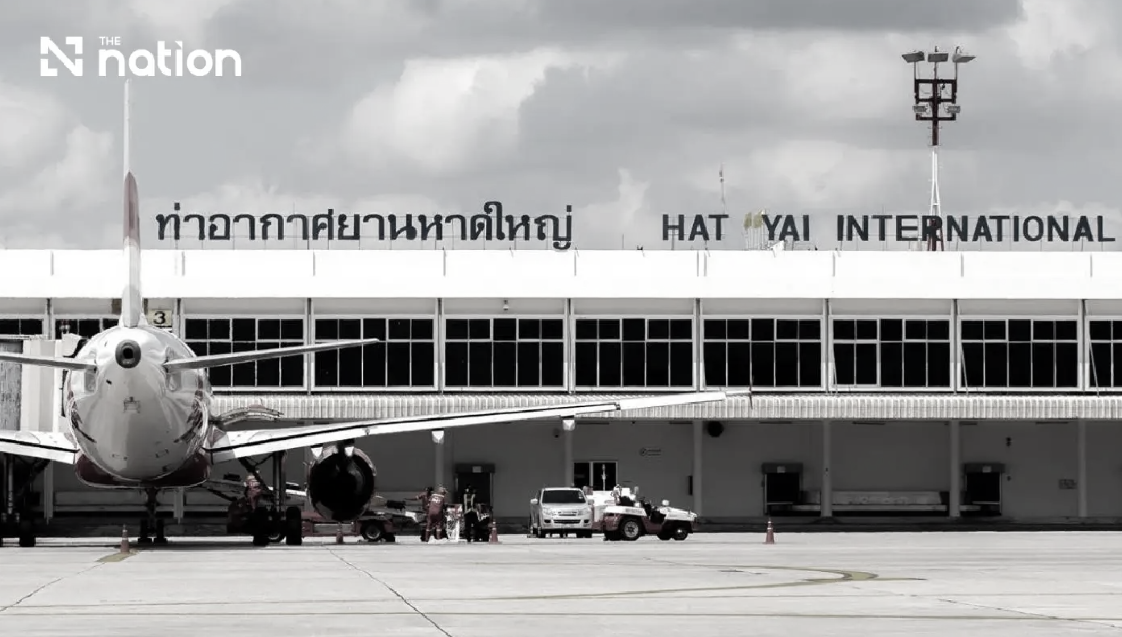
Southern Thailand's Hat Yai International Airport experienced operational disruptions on Wednesday afternoon when Runway 26 became unusable following an accident involving an airport fire engine, prompting authorities to redirect arriving aircraft to alternative facilities and heightening concerns about ground safety protocols at the busy transport hub.
The runway remained out of service for approximately two and a half hours, with airport officials implementing a Notice to Airmen (NOTAM) that prohibited landings between 1:55pm and 4:30pm on June 17. During this window, Hat Yai Airport, which serves as a critical gateway for both domestic and international passengers in the Southern Region, could not accommodate its scheduled inbound traffic, necessitating contingency arrangements to prevent flight cancellations and passenger stranding.
Airport management determined that safety considerations demanded the temporary closure while responding to and managing the incident zone. Rather than providing detailed public explanations about the nature of the fire engine accident or the specific circumstances that created a hazard on the active runway, officials maintained a cautious stance, limiting their communications to bare procedural notifications. This opacity, while perhaps protective of ongoing investigations, left passengers and their families scrambling for information about their travel status and expected arrival times.
The diversion strategy employed by Thai air traffic control saw at least two confirmed aircraft redirected to Krabi International Airport, located approximately 180 kilometres northwest. Thai Airways International flight TG263 and Thai Lion Air flight SL712 both switched their destination from Hat Yai to Krabi after receiving revised landing instructions, forcing affected passengers to endure longer journeys and unexpected schedule modifications.
For travellers holding bookings on the disrupted services, the incident underscored the vulnerability of relying on single-runway operations at regional airports. One passenger's family member who had enquired directly with Hat Yai Airport received only vague confirmation of an emergency situation, with no substantive explanation of the incident's cause or expected timeline for runway restoration. This communication gap reflected broader challenges in crisis transparency that extend across aviation sectors throughout Southeast Asia, where passenger information protocols remain inconsistent.
The successful diversion operations demonstrated the value of maintaining alternative airport capacity within reasonable geographic proximity. Krabi Airport's ability to absorb Hat Yai's traffic, though clearly marked as an unplanned adjustment, prevented the cascading complications that could have resulted from flight cancellations. However, the incident highlighted structural vulnerabilities in Hat Yai's operations, particularly its reliance on a single runway for handling peak traffic volumes that characterize this increasingly important regional aviation node.
Hat Yai International Airport processes substantial passenger volumes throughout the year, drawing travellers destined for tourism destinations across the Andaman coast, commercial hubs in Songkhla province, and connections to Malaysia and Singapore. The temporary closure, though resolved within hours, illustrated how quickly ground-level operational challenges can propagate through broader airline networks and affect hundreds of passengers across multiple flight connections. For Malaysian travellers accustomed to the generally reliable operations of Kuala Lumpur International Airport and other domestic facilities, such incidents serve as reminders that airport standards and incident response capabilities vary considerably across the region.
The involvement of airport emergency response equipment in the causative incident raised additional concerns about equipment maintenance, operator protocols, and the coordination between ground service providers and runway operations teams. Fire engines and other emergency vehicles operate in proximity to active runways only under carefully controlled circumstances, and their involvement in accidents suggests potential breaches in standard operating procedures or communication protocols that authorities would likely want to address through investigation and remedial training.
Thai Airways and Thai Lion Air, the two carriers affected by the diversions, would have borne responsibility for managing passenger expectations and arranging alternative transport arrangements from Krabi back to Hat Yai or onward to final destinations. The extended travel times imposed on passengers—including additional ground handling at an unplanned airport stop—represented tangible costs and inconveniences that rippled through the travel plans of business professionals, tourists, and families relying on tight connection times.
Following the incident, Hat Yai Airport authorities issued standard advisories urging passengers to monitor airline communications for updates regarding potential delays or flight plan modifications. This guidance acknowledged the fluid nature of operational disruptions and the importance of travellers maintaining awareness of their airline's response measures. Airports throughout the region use similar protocols to manage passenger expectations when unforeseen circumstances compromise normal scheduling.
The incident served as a reminder that even routine airport operations involve complex interactions between numerous ground service entities, from fire and rescue teams to runway maintenance crews and air traffic controllers. A single equipment accident can trigger cascading effects that displace hundreds of passengers and require rapid implementation of contingency procedures. For Malaysian aviation stakeholders and airport operators, such incidents provide valuable lessons about the importance of robust safety management systems, comprehensive emergency response protocols, and transparent communication practices that maintain passenger confidence during operational disruptions.