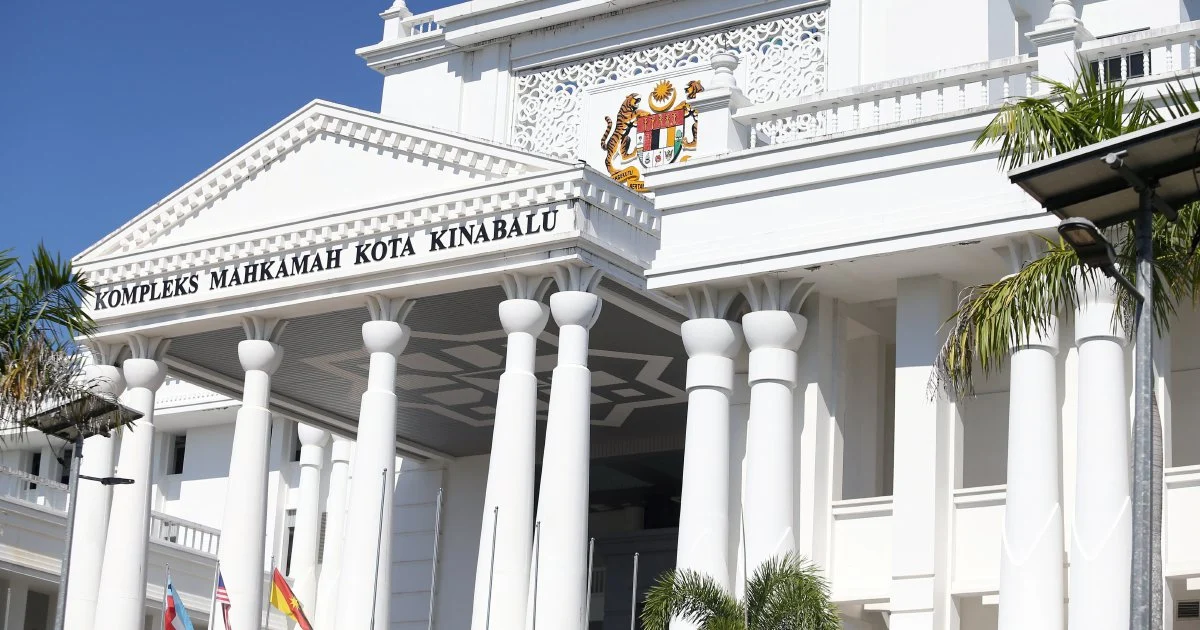
A forensic handwriting expert has reiterated her analysis before the Coroner's Court in Kota Kinabalu that portions of the late Zara Qairina Mahathir's personal journals appear to have been authored by someone other than Zara herself, adding a significant dimension to ongoing scrutiny surrounding the circumstances of her death.
The expert's testimony underscores the technical complexities inherent in forensic document examination, a discipline that requires detailed comparative analysis of stroke patterns, pressure variations, slant consistency, and other identifying characteristics unique to an individual's writing. Such evidence has proven instrumental in high-profile investigations globally, though it remains subject to robust cross-examination in legal proceedings, particularly when conclusions diverge from initial assumptions or public expectations.
The distinction between entries written directly by Zara and those potentially authored by another hand carries implications beyond mere document authenticity. Journal entries often serve as windows into an individual's mental and emotional state, personal concerns, and daily experiences. If external parties contributed to these records, questions arise about the accuracy and reliability of any narrative they might otherwise have provided regarding her final months or any distress she may have experienced.
This testimony occurs within the broader context of heightened public interest in cases involving prominent Malaysian families. The Mahathir family's prominence in national politics has ensured substantial media attention, with public discourse frequently intersecting with formal legal proceedings. The coroner's inquiry represents an attempt to establish factual clarity through systematic evidence presentation, though the involvement of high-profile figures inevitably attracts additional scrutiny and speculation.
The handwriting analysis presented at the Kota Kinabalu hearing reflects methodology that requires examiners to document their findings meticulously, comparing questioned documents against known exemplars—writing samples confirmed to originate from the individual in question. This comparative process generates preliminary findings that experts then revisit, reassess, and ultimately reaffirm or revise based on additional evidence or reconsideration of their observations. The expert's willingness to stand by her conclusions suggests confidence in the methodology applied and the robustness of the analysis conducted.
For Malaysian readers and regional observers, such proceedings highlight the importance of forensic expertise in ensuring investigative thoroughness, particularly in matters where circumstances warrant official inquiry. The availability of qualified handwriting experts and the judicial system's capacity to assess their findings represent important safeguards within the broader framework of legal accountability and transparent fact-finding.
The coroner's inquiry process itself provides a structured environment for evaluating evidence, with all findings subject to examination, challenge, and cross-testing by interested parties. This procedural framework ensures that conclusions rest on substantiated analysis rather than assumption or external pressure, though the public nature of high-profile cases inevitably generates discussion extending beyond purely technical considerations.
The presence of alternative authorship in personal journals, should the expert's analysis withstand scrutiny, introduces questions about personal privacy, document integrity, and the circumstances under which others may have accessed or contributed to what were presumably private records. Such concerns resonate across jurisdictions with established privacy frameworks and assumptions regarding the confidentiality of personal journals and diaries.
This testimony also reflects broader developments in forensic science within Southeast Asian legal systems. Malaysia's incorporation of scientific evidence into judicial proceedings has evolved substantially, with courts increasingly relying on expert analysis in cases requiring specialized technical knowledge. The credibility and methodological rigor of such expertise ultimately depend on both the qualifications of examiners and the systematic nature of their analytical processes.
As the coroner's inquiry continues in Kota Kinabalu, additional evidence will likely emerge providing further context regarding the journals, their origins, and their significance to the overall circumstances being investigated. The expert's reaffirmation of her findings serves as a checkpoint in this investigative process, establishing a documented position that either subsequent testimony will reinforce or challenge as proceedings unfold.
The intersection of forensic analysis, family matters, and high-profile cases presents challenges for investigators, courts, and the public seeking understanding of complex circumstances. The coroner's systematic approach to examining available evidence, including expert testimony on document authenticity, represents an effort to construct a factual foundation for conclusions regarding questions that have generated considerable public concern and speculation.

