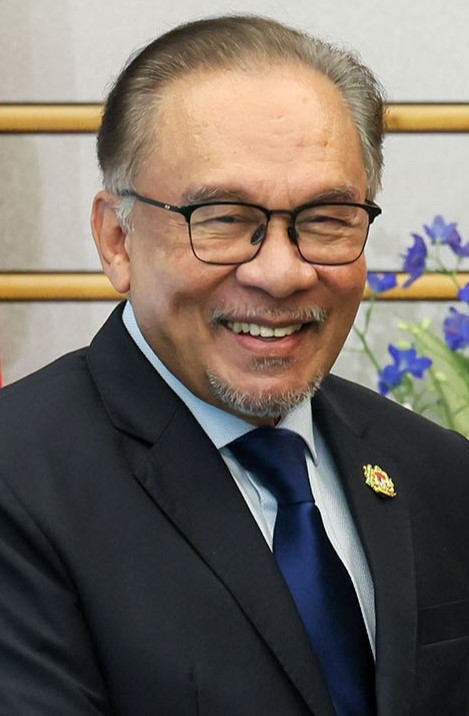
Hamzah Zainudin's return to prominence within Perikatan Nasional represents a strategic repositioning of the PAS-led opposition coalition ahead of the sixteenth general election, according to political analysts monitoring developments within the bloc. The veteran politician's renewed visibility within the coalition has triggered assessments that the movement intends to soften its image and broaden electoral appeal beyond its traditional support base.
Within coalition circles, Hamzah is regarded as the most viable candidate to serve as the public face of Perikatan Nasional's campaign messaging. His political standing and track record have made him an attractive option for a coalition seeking to project an image of stability and experience during the coming election cycle. Analysts point to his ability to communicate across different voter demographics as a significant asset for the opposition bloc's strategic planning.
The coalition's deliberate emphasis on a moderate narrative reflects recognition that GE16 will require broader appeal than messaging tailored exclusively to the coalition's core constituencies. By positioning Hamzah at the forefront of its campaign architecture, Perikatan Nasional signals an intention to compete seriously for swing voters and urban constituencies that may have felt alienated by more ideologically rigid positioning in previous electoral contests.
For Malaysian readers unfamiliar with recent political transitions, understanding Hamzah's significance requires context. His elevation within Perikatan Nasional carries weight because the coalition has historically struggled with perceptions of extremism among urban and secular voters. Positioning a figure associated with pragmatic governance and broader political consensus represents a calculated effort to reshape voter impressions before campaigning begins in earnest.
The moderate messaging strategy reflects lessons absorbed from previous electoral cycles. Previous general elections demonstrated that coalitions perceived as ideologically narrow face challenges in converting swing voter support and retaining middle-class constituencies. By frontloading Hamzah's profile, Perikatan Nasional addresses this vulnerability directly and signals confidence in his capacity to bridge divides within the electorate.
Analysts emphasize that this repositioning extends beyond mere personnel changes. It represents a fundamental recalibration of how Perikatan Nasional intends to present itself to the voting public. The choice to elevate Hamzah specifically suggests coalition leadership views moderate governance messaging as essential to achieving the electoral outcomes necessary to challenge the current ruling arrangements.
Regional observers also note implications for Southeast Asian political dynamics. Malaysia's opposition coalition positioning itself on moderate terrain could influence broader patterns of political competition in the region, particularly regarding how Islamic-influenced political movements balance ideological identity with electoral viability in diverse, plural democracies.
The timing of Hamzah's prominence assumes significance in relation to the expected GE16 schedule. Political calendars suggest the election could occur within the next 18-24 months, giving Perikatan Nasional a defined window to consolidate its messaging framework and establish Hamzah's credentials with undecided voters. Early positioning prevents competitors from defining his political narrative before the official campaign period commences.
For constituencies accustomed to seeing opposition coalitions present fractured or contradictory messaging, the unified emphasis on moderate positioning through a single prominent figure offers a departure from previous patterns. This coherence itself may constitute a strategic advantage, suggesting organizational discipline that voters frequently associate with readiness for governance responsibilities.
The coalition's confidence in Hamzah's ability to deliver the moderate narrative also reflects calculations about internal dynamics. His acceptance as the campaign figurehead suggests sufficient consensus among Perikatan Nasional's constituent parties that he represents shared moderate positioning, rather than imposing a direction contested within the coalition structure. This internal alignment strengthens external messaging credibility.
Malaysian voters evaluating opposition options will likely weigh Hamzah's prominence as one signal among several regarding Perikatan Nasional's intended governance direction. His visibility, combined with the explicit moderate messaging framework, provides concrete indicators of how the coalition conceives its future trajectory should electoral outcomes permit transition to governing arrangements.
Looking forward, Hamzah's sustained prominence within Perikatan Nasional will demonstrate whether the coalition's moderate positioning represents substantive strategic reorientation or largely cosmetic repositioning intended for electoral cycle purposes. His consistency in delivering moderate messaging and the coalition's adherence to moderate policy frameworks will determine whether this approach successfully attracts the swing voter constituencies Perikatan Nasional requires for electoral breakthrough.
The broader question surrounding this political manoeuvre concerns whether moderate repositioning generates sustainable electoral gains or whether voters perceive the messaging shift as circumstantial campaign strategy. Hamzah's track record and political credibility will prove central to answering this question as the election approaches and voters assess which coalition presents the most convincing vision for Malaysian governance.