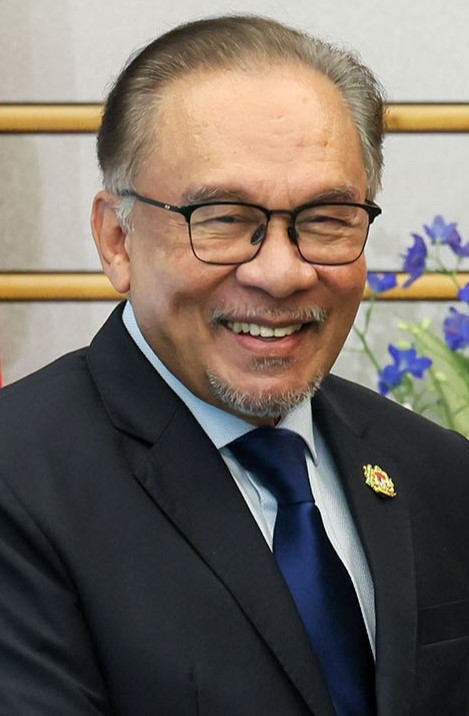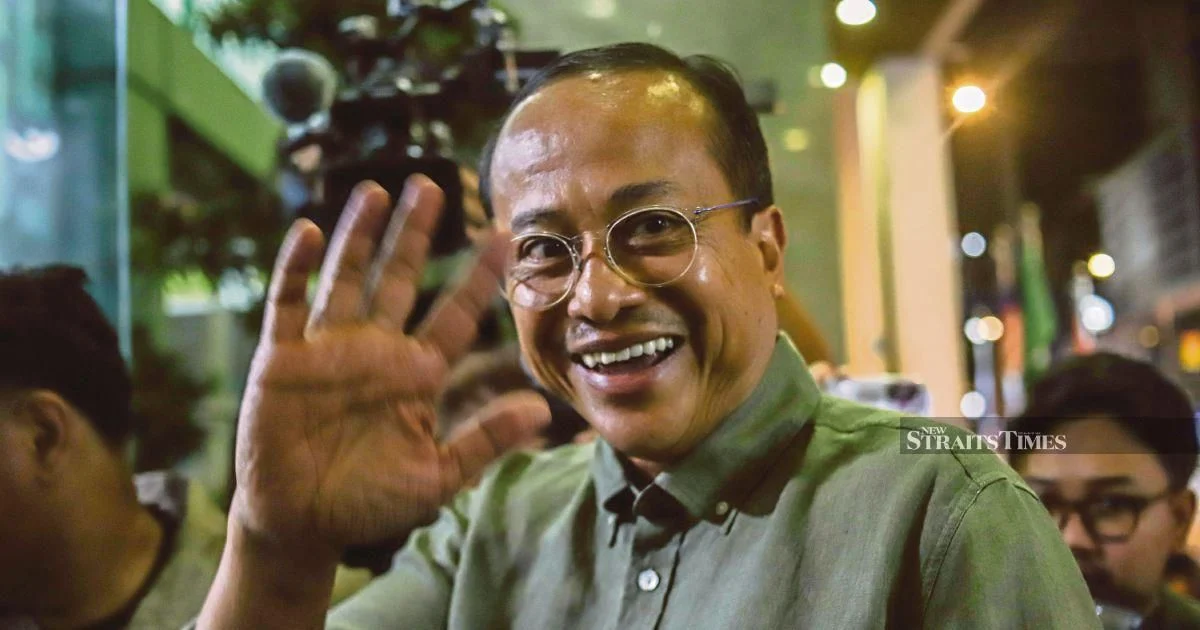
Datuk Seri Hamzah Zainudin's status as Opposition Leader in the Dewan Rakyat remains in institutional limbo, with Perikatan Nasional having not received any formal notification of his reappointment to the role. The Larut Member of Parliament's position, while understood to be backed by opposition coalition partners, lacks the official recognition that typically accompanies such appointments in Malaysia's parliamentary framework.
This absence of formal notification highlights a procedural gap in how opposition leadership positions are communicated within Malaysia's House of Representatives. Traditionally, when the Opposition Leader is appointed or reappointed, the responsible coalition or bloc submits official documentation to the Dewan Rakyat and relevant parties for record-keeping and parliamentary purposes. The lack of such notice to Perikatan Nasional, the principal opposition coalition, suggests either an oversight in administrative communication or deliberate circumvention of standard parliamentary courtesy.
Hamzah Zainudin has long been a prominent figure within Perikatan Nasional, serving in senior roles across the coalition's political operations. His elevation to or confirmation in the Opposition Leader position reflects the coalition's political calculations and its attempt to present a unified opposition front following Malaysia's complex post-election political realignments. However, without formal institutional recognition, his authority to speak on behalf of the opposition may face challenges in parliamentary settings where procedural legitimacy matters significantly.
The timing of this situation comes amid broader questions about opposition unity in Malaysia. Perikatan Nasional encompasses multiple political parties with sometimes competing interests, and leadership roles within opposition structures have occasionally become points of contention. The lack of formal notice of Hamzah's reappointment could reflect either administrative slippage or tensions within the coalition regarding how prominently he should be positioned as the primary opposition voice.
For the Dewan Rakyat's institutional functioning, this creates potential complications. The Speaker and parliamentary administration typically maintain official records of opposition leadership to facilitate parliamentary procedure, recognise opposition representatives for speaking opportunities, and ensure proper protocol during legislative business. Without formal notification, such administrative machinery may operate on an informal or provisional basis regarding Hamzah's position, potentially affecting his standing during debates or when raising parliamentary questions on behalf of the opposition.
The situation reflects broader challenges within Malaysia's parliamentary conventions, which have evolved significantly over recent decades. As coalition politics has become more fluid and governments have become less stable, the mechanisms for formally recognising opposition structures have sometimes lagged behind the rapid political changes. Unlike some Westminster traditions with more rigid formalisation requirements, Malaysia's system has accommodated flexibility, which can create ambiguity in precisely such circumstances.
From a regional perspective, Southeast Asian legislatures increasingly grapple with how to formally recognise opposition leadership when coalitions are fractious or when opposition parties have uncertain internal hierarchies. Malaysia's situation, where multiple parties theoretically share opposition responsibilities but one individual serves as Opposition Leader, mirrors challenges faced in Indonesia, Thailand, and the Philippines. Hamzah's unconfirmed status illustrates these ongoing tensions between formal institutional recognition and political reality.
The implications for Hamzah's political authority are noteworthy. While he likely commands sufficient support among opposition MPs to function effectively as Opposition Leader, the absence of formal recognition means his position rests on political consensus rather than institutional anchoring. This could prove fragile if opposition dynamics shift or if specific parliamentary challenges arise where formal credentials become crucial.
For observers watching Malaysian parliamentary politics, this development underscores how much the country's political system depends on informal conventions and good-faith cooperation between government and opposition. Malaysia lacks comprehensive written constitutional provisions detailing how the Opposition Leader should be formally appointed or recognised, instead relying on precedent and understanding between political actors. When such understanding breaks down or is not formalised, institutional ambiguities emerge.
Moving forward, this situation likely necessitates clarification through formal notification to ensure administrative clarity within the Dewan Rakyat. Whether Perikatan Nasional will submit official notice of Hamzah's reappointment, or whether alternative arrangements will be made, remains to be seen. The resolution of this procedural matter may establish precedent for how future opposition leadership transitions are handled in Malaysia's parliament.