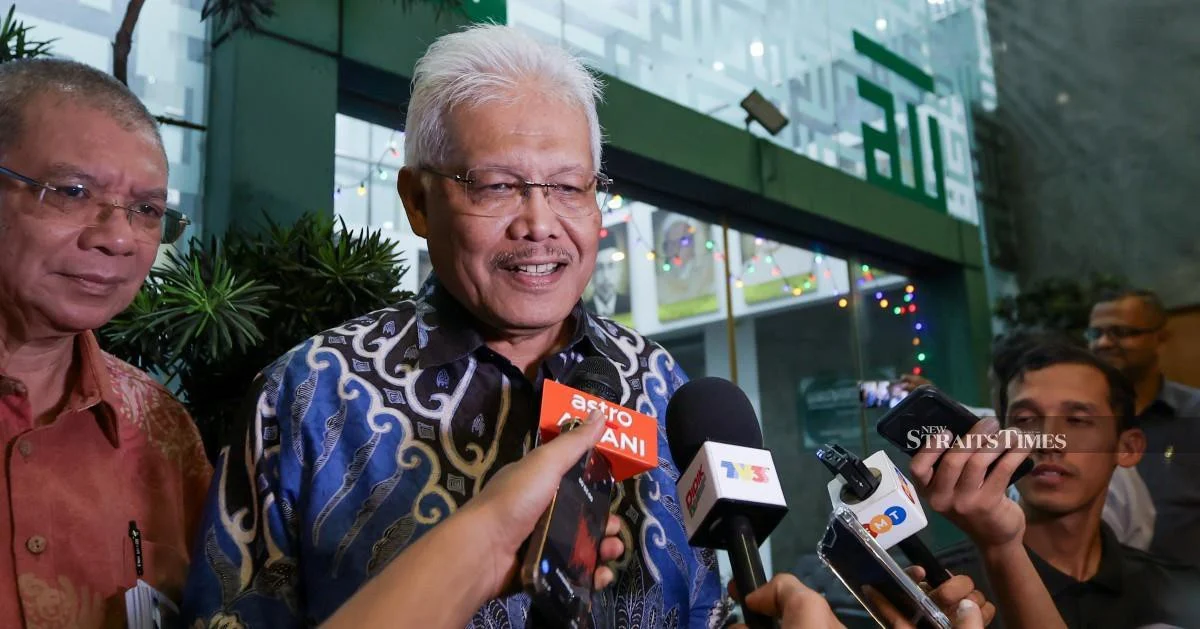
Datuk Seri Hamzah Zainudin is poised to reclaim the opposition leader's position in the Dewan Rakyat this Monday, according to the parliamentary seating arrangement confirmed by the legislature. The repositioning will see Bersatu president Tan Sri Muhyiddin Yassin moved several seats down from his current placement, marking a significant shift in the opposition's visible hierarchy within the lower house.
The change in seating designations carries symbolic weight in Malaysian parliamentary affairs, as the opposition leader's front-bench position represents formal recognition of leadership status and influence within the legislative body. Hamzah's return to this seat signals an important reconfiguration of opposition politics at a time when coalition dynamics continue to evolve across the political landscape.
This development comes amid broader questions about opposition unity and leadership in Malaysia. The alternation between these two prominent opposition figures underscores the fluid nature of political alignments in the current parliamentary term, where bloc solidarity cannot always be assumed and leadership roles may shift based on changing circumstances or formal arrangements within coalition partnerships.
Muhyiddin's movement down the row reflects the reality that parliamentary seating, while often appearing ceremonial, actually conveys substantive political meaning about who holds primary responsibility for steering opposition business in the Dewan Rakyat. The physical proximity to the Speaker and the government benches, as well as the symbolic primacy of the opposition leader's designated seat, makes such arrangements newsworthy indicators of internal power restructuring.
For Malaysian observers tracking opposition developments, this shift invites scrutiny into what prompted the change at this particular moment. Whether the reconfiguration stems from coalition negotiations, formal agreements between opposition parties, or internal party decisions, it demonstrates that opposition leadership remains contested terrain rather than settled hierarchy.
The return of Hamzah to the opposition leader's seat also highlights the ongoing competition for influence within Malaysia's parliamentary opposition. With multiple opposition coalitions and independent voices operating in the Dewan Rakyat, the question of who commands the formal opposition leader position has practical implications for legislative business, media representation, and media coverage of the opposition's stance on government initiatives.
Regional observers may note that such parliamentary choreography reflects the complexity of Malaysian coalition politics. Unlike systems with established two-party structures, Malaysia's multiparty landscape requires constant negotiation about who speaks for the opposition and on what terms. The seating chart becomes one mechanism through which these negotiations are publicly expressed.
The confirmation through the official parliamentary seating plan carries institutional authority. The Dewan Rakyat's administrative determination of seating arrangements represents more than merely practical accommodation—it reflects institutional recognition of political status and organizational alignment within the chamber. When such arrangements change, they invariably trigger speculation about the underlying political shifts that prompted the adjustment.
For the coming parliamentary session beginning Monday, Hamzah's repositioned prominence at the opposition leader's seat will likely increase his visibility during parliamentary debates, question time, and other chamber business. Opposition members will now orient their coordinated responses through him, and government ministers will direct their rebuttals primarily toward his position on the benches. This operational reality makes the seating change far more consequential than cosmetic.
The implications for Muhyiddin and Bersatu deserve attention as well. Moving seats within the opposition arrangement may affect the party's visibility in parliamentary proceedings and could influence how the media and the public perceive Bersatu's standing within the broader opposition movement. For a party that has already experienced significant electoral and coalition-related challenges in recent years, such symbolic setbacks may carry psychological weight within party ranks.
Looking ahead, political observers will likely monitor how this seating arrangement functions during actual parliamentary sessions. Whether the shift proves durable or represents a temporary reconfiguration will depend on how opposition dynamics evolve in coming weeks and months. Parliamentary arrangements can shift again if political circumstances warrant, meaning this Monday's seating is not necessarily fixed indefinitely.
The confirmation of Hamzah's return through the official seating chart provides concrete evidence of a deliberate institutional decision about opposition leadership structure. This transparency allows Malaysian political watchers and international observers to track high-level opposition organization in real time. As the opposition continues developing its strategy and messaging in response to government policies and performance, having clear institutional recognition of leadership roles becomes particularly important for coordinating party activities and public communication.

