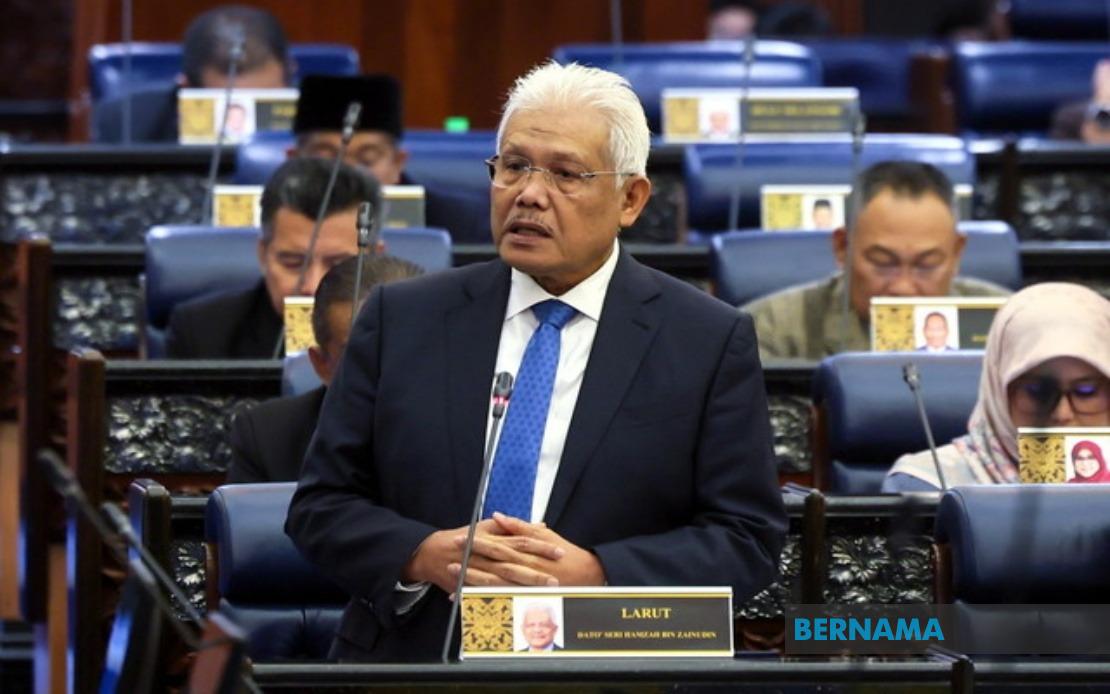
Parliament's top administrative official has formally acknowledged that Larut Member of Parliament Datuk Seri Hamzah Zainudin has regained the Opposition Leader post, marking a significant shift in legislative oversight and parliamentary leadership dynamics. Speaker Tan Sri Johari Abdul made the confirmation during parliamentary proceedings on June 22, providing official clarity on recent transitions that have reshaped the opposition's institutional standing in the Dewan Rakyat.
The path to Hamzah's return involved a relatively brief succession. According to Johari's statement, Hamzah originally held the Opposition Leader designation from May 20, 2026, establishing him as the primary opposition voice in the legislature during that period. However, this tenure was interrupted when the role transitioned to another senior legislator, creating a temporary gap in opposition leadership representation.
During the intervening period from May 21 to June 10, Kemaman Member of Parliament Datuk Seri Dr Ahmad Samsuri Mokhtar served as Opposition Leader, providing continuity in the ceremonial and functional responsibilities that accompany the position. This brief stewardship allowed for administrative continuity at a time when parliamentary opposition dynamics were undergoing realignment. The Speaker took the opportunity to publicly acknowledge Samsuri's contributions during his tenure, recognizing the demanding nature of leading an opposition caucus through procedural and legislative challenges.
Hamzah's reinstatement on June 18 marked a restoration of the prior arrangement, indicating that underlying political circumstances or coalition considerations had resolved in his favour. The precise reasons for the initial transition and subsequent return remain rooted in broader opposition coalition negotiations and strategic positioning within the Dewan Rakyat's power structures. Such movements often reflect deeper discussions about representation, ministerial interests, and the management of competing factions within opposition blocs.
The Speaker made his announcement under the formal procedures established by Standing Order 4A(3) of the Dewan Rakyat's parliamentary regulations, ensuring that the constitutional and procedural legitimacy of the leadership change received proper institutional endorsement. This formal notification mechanism serves as the official channel through which Parliament documents changes in opposition representation and ensures that all parliamentary processes respect the statutory framework governing legislative operations.
Simultaneously, Johari confirmed the emergence of two parliamentary vacancies following the departure of sitting members. The Pandan constituency, previously represented by Datuk Seri Rafizi Ramli, and the Setiawangsa constituency, held by Nik Nazmi Nik Ahmad, are now without parliamentary representation following both members' decisions to relinquish their seats. These resignations, formally submitted on May 18, represent a substantial loss of experienced legislators from the opposition benches.
Both departing members had been prominent figures in opposition politics, contributing to legislative deliberations and parliamentary oversight functions. Their simultaneous departure raises questions about their future political trajectories, whether they are pursuing other avenues of public service or retiring from active parliamentary politics. In the Malaysian context, such exits can signal either transitions to alternative leadership roles or strategic repositioning within political structures.
In adherence with constitutional requirements, the Speaker formally notified the Election Commission of both vacancies under the provisions of Article 54(1) of the Federal Constitution. This notification triggers the machinery for organizing by-elections in both constituencies, a process that will give voters in Pandan and Setiawangsa the opportunity to choose new representatives. The timing of these by-elections will be determined by the Election Commission following established protocols for parliamentary vacancy management.
For Malaysian political observers, these developments illustrate the fluid nature of parliamentary opposition dynamics, where leadership positions can shift relatively rapidly in response to coalition adjustments or strategic recalibrations. The Opposition Leader role carries significant ceremonial and procedural importance, including guaranteed speaking opportunities, formal recognition in parliamentary debates, and the right to pose questions to the government. The transitions within a relatively compressed timeframe underscore the complexity of managing opposition unity while accommodating the diverse interests within multi-party coalitions.
The two upcoming by-elections will test opposition solidarity and electoral strength in constituencies that have demonstrated varying levels of political competitiveness. Both Pandan and Setiawangsa are urban constituencies with distinct demographic profiles, and their results will provide insights into voter sentiment regarding opposition performance and government policies. The by-elections will also offer an opportunity for opposition parties to consolidate their messaging and demonstrate organizational capacity.
These parliamentary developments arrive against the backdrop of broader national political discussions regarding coalition stability, legislative effectiveness, and the balance of power between government and opposition forces. The ability of the opposition to maintain cohesion while navigating leadership transitions will significantly influence its capacity to provide robust scrutiny of government decisions and articulate alternative policy positions on matters affecting Malaysian citizens across all sectors of society.

