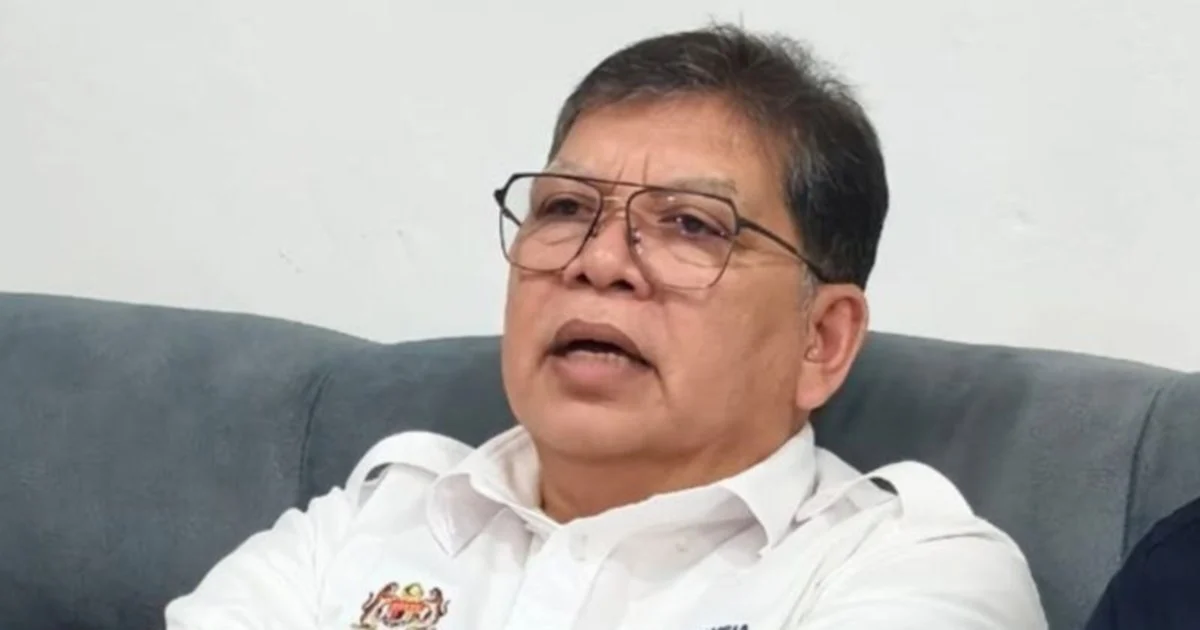
Dewan Rakyat Speaker Tan Sri Johari Abdul has formally received notification of Datuk Seri Hamzah Zainudin's continuation in his role as opposition leader, a procedural announcement that underscores the ongoing political configuration in Malaysia's Parliament following recent developments within the opposition bloc.
The notification came via an official letter submitted by Perikatan Nasional chief whip Datuk Seri Takiyuddin Hassan, fulfilling the parliamentary requirement for formal documentation of key leadership positions within the opposition coalition. This administrative step, while routine in nature, carries significance given the shifting dynamics that have characterised Malaysian politics over recent months.
The reappointment represents the consolidation of Hamzah Zainudin's position as the principal voice of the opposition during parliamentary sessions and on major legislative matters. As opposition leader, Hamzah shoulders responsibility for coordinating opposition responses to government initiatives and articulating alternative policy positions across the legislative agenda.
Hamzah's tenure in this capacity has been marked by scrutiny of government expenditure, queries on policy implementation, and engagement with matters of national concern ranging from economic policy to social welfare provisions. The formal notification process ensures that parliamentary records clearly establish the leadership structure within which opposition members operate and coordinate their activities.
Perikatan Nasional, comprising Bersatu, PAS, and other affiliated parties, has functioned as the primary opposition force in the current Dewan Rakyat, following the collapse of the Sheraton Move coalition arrangements. The coalition's parliamentary strength has made the role of opposition leader particularly consequential for holding the government accountable and providing policy alternatives on significant legislative matters.
The submission of formal notification to the Speaker represents standard parliamentary procedure, ensuring institutional clarity regarding opposition representation and the protocols governing parliamentary debate and legislative engagement. Such documentation provides the constitutional and procedural foundation for the opposition leader's participation in parliamentary forums, including parliamentary question sessions and major legislative debates.
Takiyuddin Hassan's role as chief whip places him in a position of significant organisational responsibility within PN, tasked with ensuring parliamentary discipline among coalition members and coordinating legislative strategy. His transmission of the reappointment notification reflects the broader administrative functions required to maintain opposition coherence and effectiveness within Parliament's structured environment.
For Malaysian readers and observers of parliamentary politics, the reappointment underscores the established nature of PN's opposition role and the coalition's commitment to maintaining institutional presence within the legislative framework. The formal notification process, while procedurally straightforward, confirms the continuation of leadership arrangements that frame parliamentary dynamics and determine how opposition voices are marshalled during legislative sessions.
Hamzah's position as opposition leader carries implications extending beyond Parliament itself, shaping PN's public messaging strategy and establishing him as the chief negotiator regarding opposition engagement with government initiatives. The role influences how alternative perspectives reach the wider public through parliamentary debates that are chronicled in media coverage and parliamentary records.
The timing and execution of such procedural notifications also reflect the stability and institutional acceptance of current parliamentary arrangements. By formally advising the Speaker of opposition leadership continuity, PN provides clarity to parliamentary administration regarding which members hold particular legislative responsibilities and speaking rights during parliamentary sessions.
From a broader governance perspective, the clear establishment of opposition leadership structures contributes to the functional operation of Malaysia's Westminster-influenced parliamentary system, where robust opposition engagement is considered essential to legislative scrutiny and government accountability. The formal notification process facilitates this institutional balance by creating transparent records of opposition organisation and coordination.
For students of Malaysian politics and those tracking coalition dynamics, the reappointment represents a relatively stable moment within opposition politics, suggesting that PN has resolved internal questions regarding its leadership structure and parliamentary representation. This stability, even if temporary, may provide the opposition coalition with greater capacity to mount sustained legislative challenges and develop comprehensive alternative policy platforms across multiple portfolio areas.
Moving forward, Hamzah's reaffirmed position establishes him as the primary point of engagement for parliamentary negotiations, media commentary on opposition perspectives, and inter-coalition coordination regarding legislative strategy. The formal notification ensures that all parliamentary stakeholders operate from identical information regarding opposition leadership and the protocols governing opposition participation in parliamentary proceedings.

