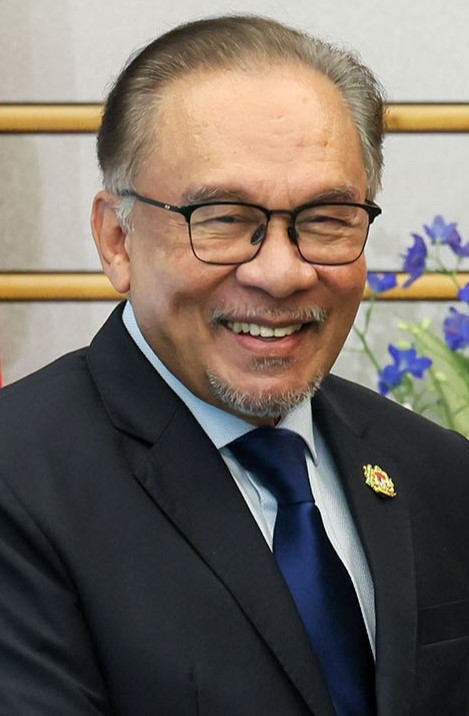
The Perikatan Nasional chief whip has formally notified the Speaker of Parliament that Hamzah is taking over as opposition leader, marking a significant shift in parliamentary opposition dynamics. The move was confirmed through official channels after the PN coalition secured backing from 61 opposition Members of Parliament, representing a substantial show of unity among non-government benches. Hamzah, who previously served as deputy president of the Malaysian United Indigenous Party (Bersatu), steps into a position that carries considerable influence over parliamentary proceedings and the government's legislative agenda.
The appointment reflects strategic realignment within Malaysia's opposition bloc, where PN has moved to consolidate its standing as the primary voice of parliamentary dissent. By securing commitment from a significant majority of opposition MPs, the coalition has positioned itself to effectively challenge government policies and hold the administration accountable during parliamentary debates. This development underscores the fluid nature of Malaysian coalition politics, where opposition movements must continuously rebuild consensus and reaffirm their collective direction.
Hamzah's elevation to opposition leader carries particular weight given Bersatu's complicated political trajectory. The party, which was founded in 2016 and experienced rapid ascendancy before eventually joining the government coalition, has faced internal divisions and fluctuating electoral fortunes. As a former deputy president moving into this higher-profile opposition leadership role, Hamzah embodies the party's attempt to reestablish relevance and assert itself as a major parliamentary force rather than a junior coalition partner.
The formal notification through Takiyuddin Hassan, who holds the PN chief whip position, demonstrates the procedural clarity with which Malaysian opposition arrangements operate. The Speaker of Parliament requires such notifications to ensure accurate record-keeping of parliamentary structures and to recognise the official opposition leader for purposes of parliamentary privileges, speaking time allocations, and formal debates. This bureaucratic step, while routine, carries institutional significance by making Hamzah's position formally recognised throughout parliamentary processes.
For Malaysian politics, the consolidation of opposition leadership under PN signals potential challenges to the current government's legislative initiatives. The opposition leader's role includes guiding questioning during parliamentary sessions, coordinating votes on critical legislation, and articulating alternative policy positions that resonate with the electorate. With 61 MPs aligned in support, Hamzah possesses sufficient numbers to command attention on major parliamentary business and potentially delay or obstruct government bills that fail to secure cross-party consensus.
The timing and choreography of this transition suggest careful orchestration within PN ranks, where internal agreement on leadership has historically proven elusive. Malaysian opposition coalitions frequently fracture over resource distribution, leadership contests, and policy disagreements. That 61 MPs have formally committed to supporting Hamzah indicates at least temporary resolution of such tensions, though the stability of such arrangements remains perpetually subject to political shifts and electoral calculations.
This development also carries regional implications for Southeast Asian parliamentary dynamics. Malaysia's sophisticated coalition politics, while sometimes chaotic, represents one of the region's more competitive democratic systems where opposition movements retain genuine capacity to challenge and constrain executive authority. The formal appointment of opposition leadership demonstrates ongoing institutional respect for parliamentary procedure despite the intense partisan competition underlying such arrangements.
Regional observers noting Malaysian political developments will recognize this shift as indicative of broader PN strategy to position itself as the viable alternative government. Following periods when the coalition participated in government structures alongside other blocs, returning to opposition allows PN to rebuild its outsider credentials and appeal to voters dissatisfied with the ruling administration. Hamzah's leadership provides a named face for such opposition sentiment and personalises the alternative vision PN intends to present.
The effective date of Hamzah's assumption of the opposition leader position marks the beginning of his tenure managing parliamentary opposition dynamics. This role requires balancing the often-competing interests of multiple opposition MPs with varying constituencies, regional affiliations, and policy priorities. Success in this position depends on maintaining the coalition discipline demonstrated by the 61-MP agreement while responding to parliamentary developments and constituent demands across the opposition spectrum.
Looking forward, Hamzah's leadership of the opposition will shape parliamentary discourse during the remainder of the current parliamentary term. Questions regarding economic policy, government accountability, and legislative priorities will flow through his leadership, and his effectiveness in articulating coherent opposition alternatives may influence voter perceptions as Malaysia approaches future electoral contests. The formal backing of 61 MPs provides the foundational support necessary for such a leadership role to function effectively in parliamentary terms, though maintaining such unity amid competing pressures remains an ongoing challenge in Malaysian coalition politics.