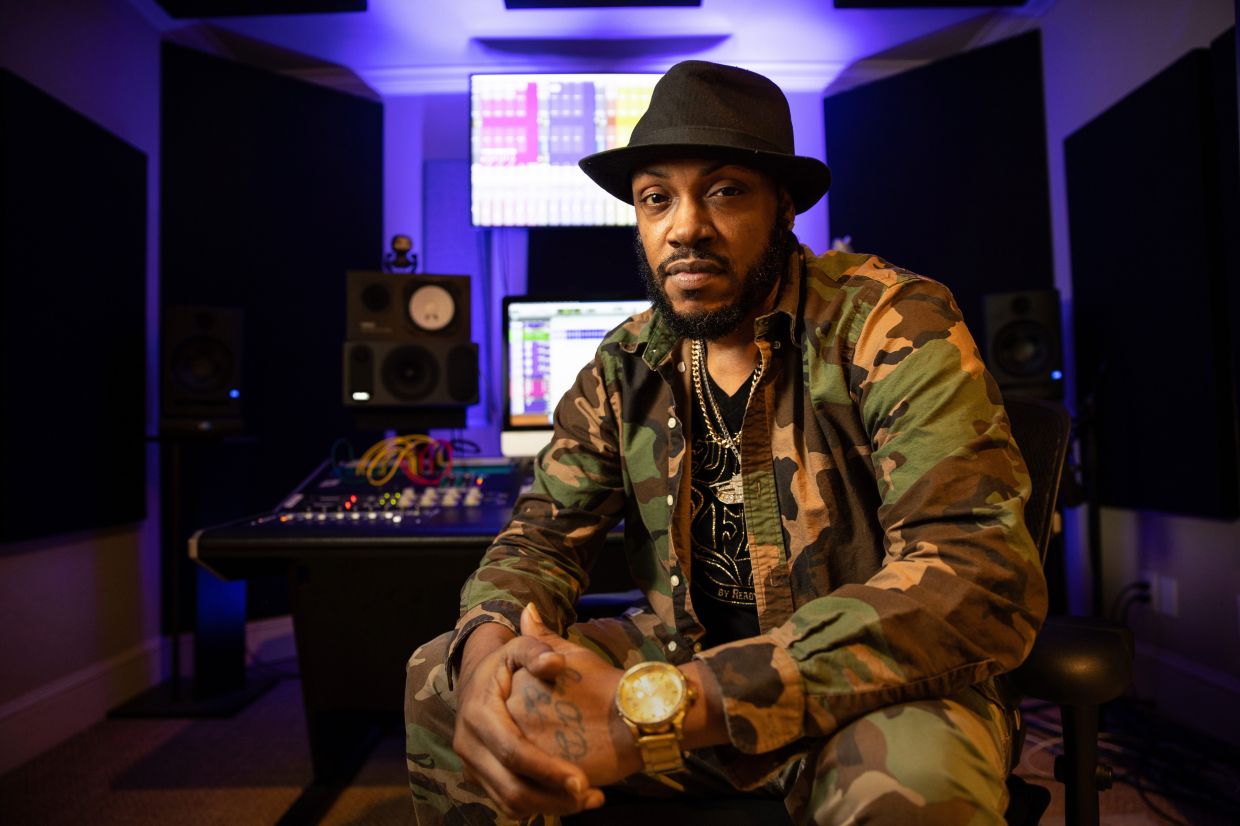
Michael Lawrence Tyler, professionally known as Mystikal, will spend the next two decades behind bars after a Louisiana court handed down a 20-year prison sentence for the rape of a woman at his Prairieville residence in 2022. The sentencing marks a significant fall from grace for the artist who achieved multiple Grammy nominations during the height of his commercial success in the early 2000s, a period when his distinctive rapid-fire delivery and high-energy performances made him one of hip-hop's most recognizable figures.
The 57-year-old rapper entered a guilty plea to third-degree rape charges in March of this year, accepting a plea agreement that capped his potential sentence at 20 years—five years below the maximum prison time for that particular charge. By accepting this arrangement, Mystikal avoided facing charges of first-degree rape, which would have triggered an automatic life sentence under Louisiana law. The plea deal represented a significant reduction in the severity of charges he initially faced, though it still carries substantial prison time.
In a dramatic turn just days before his sentencing hearing on Tuesday, Mystikal petitioned the court to withdraw his guilty plea, claiming he lacked adequate time to comprehend the full ramifications of his decision. According to reporting from ABC affiliate WBRZ, the rapper argued that the circumstances surrounding his plea agreement did not permit him sufficient opportunity for careful consideration. This last-minute attempt to reverse course was ultimately unsuccessful, as the judge proceeded with accepting the original guilty plea and imposing the sentence.
During the sentencing hearing, the woman who was assaulted provided powerful testimony before the judge, recounting the traumatic events of her experience. She detailed how Mystikal had struck her, asphyxiated her with his hands, forcibly pulled out her braids, and then sexually assaulted her at his home near Baton Rouge. Demonstrating remarkable composure while reliving these violent acts, the victim urged the court to impose the maximum available sentence, emphasizing the severity of the harm inflicted upon her.
Mystikal responded to the victim's statement with a brief acknowledgment of wrongdoing. According to WBRZ's account of the courtroom exchange, he stated that if he had subjected someone else to such treatment, he would deserve the maximum sentence himself. This statement, though falling short of a detailed apology or expression of remorse, indicated some level of acceptance regarding the appropriate severity of his punishment.
Since his arrest in 2022, Mystikal has remained incarcerated at the Ascension Parish Jail without the possibility of bail. He has now spent nearly two years in custody awaiting resolution of his case, and will continue his imprisonment at a state facility as his 20-year sentence begins. Legal representation for the rapper declined to offer immediate comment regarding the sentencing or his future legal options.
The conviction carries particular weight given Mystikal's history with the criminal justice system. In 2003, the Louisiana native was convicted of sexual battery and received a six-year prison sentence for that offense. Notably, during that same year in which he was serving time for sexual misconduct, Mystikal received Grammy Award nominations in two categories, including a nomination for best rap album, a stark contradiction that highlighted the complex relationship between his commercial success and his legal troubles.
Mystikal's rise to prominence occurred primarily throughout the 1990s and early 2000s, when he established himself as a distinctive voice in hip-hop through his energetic stage presence and characteristic delivery style. His commercial peak came during the turn of the millennium, when several of his tracks achieved significant radio play and chart success. However, this latest conviction represents an even more serious fall from grace than his earlier sexual battery conviction, as both the severity of the charges and the length of the sentence far exceed his previous legal consequences.
The case reflects broader conversations within the entertainment industry regarding accountability for sexual violence and the experiences of survivors seeking justice. The victim's willingness to testify in court and advocate for appropriate punishment demonstrated the emotional and psychological toll such crimes inflict, countering any notion that high-profile status or past artistic achievement should shield perpetrators from serious consequences. For Malaysian audiences following international entertainment news, the case underscores how even artists with significant cultural impact and commercial success face genuine legal accountability when credible charges of violent crime are proven in court.