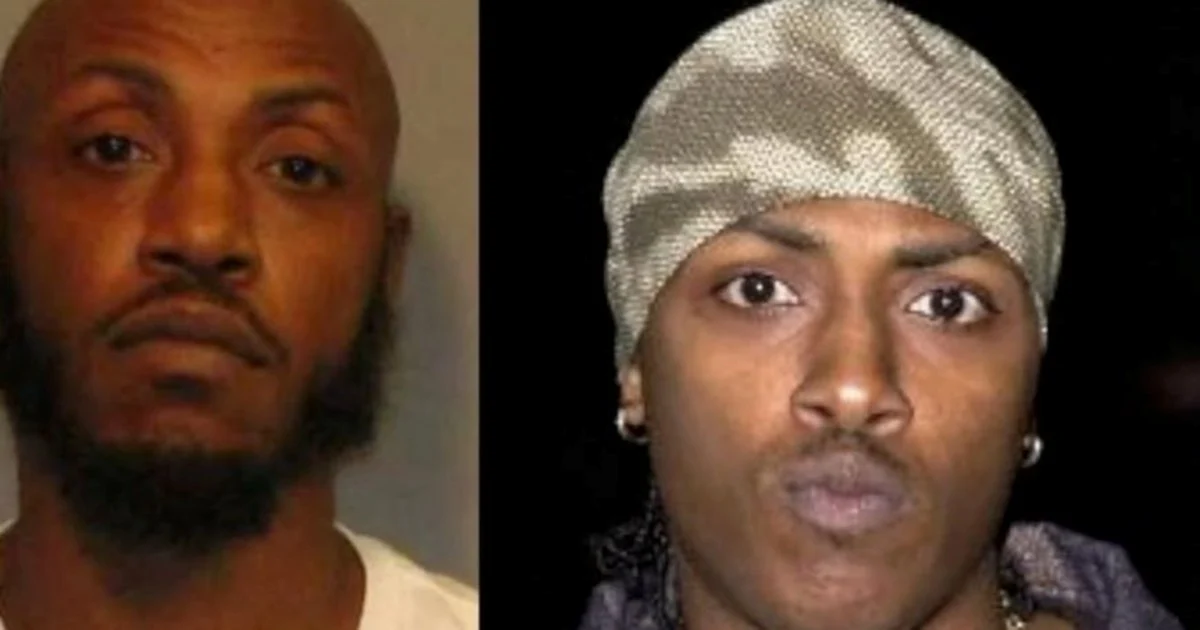
Grammy-nominated hip-hop artist Mystikal has received a 20-year prison sentence in Louisiana following a guilty plea to charges of third-degree rape. The conviction marks a significant fall from grace for the artist, who was arrested in July 2022 after being accused of multiple serious offences. The sentence was handed down in Baton Rouge, where the alleged incident occurred, closing a chapter that has overshadowed the rapper's career and legacy in the music industry.
Mystikal, whose real name is Michael Lawrence Tyler, had initially faced an array of grave accusations when law enforcement took him into custody over two years ago. The decision to enter a guilty plea represented a resolution to the legal proceedings that had dragged through the Louisiana court system. While the specifics surrounding the guilty plea agreement remain part of the court record, the outcome solidifies one of the most serious criminal convictions involving a prominent recording artist in recent memory.
The rapper, who gained recognition during the late 1990s and early 2000s with hit tracks that dominated radio airwaves and club scenes across North America, had built a substantial career within the entertainment industry. His collaborations and high-energy performances earned him Grammy nominations and a devoted fanbase. However, the 2022 allegations effectively terminated his active presence in mainstream music and damaged his professional standing irreparably.
For Malaysian and Southeast Asian audiences, this case underscores the broader accountability movements affecting the entertainment industry globally. The conviction demonstrates that even internationally recognised artists face serious legal consequences when accused of sexual violence, a pattern that has intensified following the #MeToo movement. This has particular relevance in Asian markets where discussions around celebrity misconduct and legal responsibility have been growing more prominent among younger audiences and advocacy groups.
The sentencing reflects a judicial determination that the evidence and circumstances warranted the maximum penalty for the specific charge. Third-degree rape convictions carry substantial prison terms in Louisiana's criminal justice framework, and the court's decision to impose the full 20 years indicates the seriousness with which the judicial system treated the allegations. The guilty plea essentially acknowledged the fundamental facts that prosecution would have needed to establish at trial.
The arrest had captured significant media attention at the time, particularly within hip-hop circles and entertainment reporting. News of a Grammy-nominated artist facing such serious charges sent shockwaves through the music industry and among fans who had followed his career over decades. The trajectory from celebrated performer to convicted felon serves as a cautionary narrative about how personal conduct can completely override professional achievement and public recognition.
For the broader entertainment ecosystem, particularly in streaming and digital music distribution, Mystikal's conviction has practical implications regarding artist catalogues, royalty streams, and platform policies. Many music services have developed approaches to handling content by artists convicted of violent crimes, balancing free speech principles with corporate responsibility standards. His case will likely feature in ongoing discussions about whether platforms should continue distributing music by convicted rapists.
The 20-year sentence means Mystikal will spend the majority of his remaining working years in incarceration, effectively erasing any possibility of a career comeback or rehabilitation into the entertainment industry. This differs from shorter sentences that might permit eventual reintegration into professional life. The length of the penalty reflects Louisiana's judicial approach to sexual assault convictions and the severity attached to third-degree rape offences under state law.
In the context of Southeast Asian entertainment consumption, where American hip-hop maintains a significant cultural footprint particularly among urban youth, this case demonstrates that international artists are subject to the same legal frameworks as anyone else. Young fans in Malaysia, Singapore, Indonesia, and Thailand who grew up with Mystikal's music now confront the reality of their favourite performer's conviction. This has sparked broader conversations about separating art from artist and the ethical dimensions of supporting music created by individuals convicted of serious crimes.
The guilty plea arrangement likely involved negotiations between prosecution and defence regarding charges and sentencing recommendations. Such arrangements typically allow defendants to avoid the unpredictability of jury trials while allowing prosecutors to secure convictions without resource-intensive litigation. For families affected by sexual violence, the resolution provides formal acknowledgment of wrongdoing, though the lengthy appeals process in capital and serious felony cases means legal proceedings may continue for years.
Mystikal's case joins a growing list of high-profile entertainment figures whose careers have been derailed by criminal convictions related to sexual misconduct. Unlike some celebrity cases that generate ongoing debate about guilt or innocence, his guilty plea removes ambiguity about legal liability. The conviction stands as final judicial determination that the accused engaged in the conduct alleged, making it a watershed moment in how the music industry addresses accountability.
Looking forward, Mystikal's sentence represents a conclusion to one of hip-hop's most troubling legal sagas. The 20-year term effectively removes him from public life during his most productive remaining years. For the music industry and fans navigating complex feelings about artists' personal conduct, the case reinforces that criminal responsibility transcends celebrity status, a principle increasingly recognised across global entertainment sectors including those in Asia.

