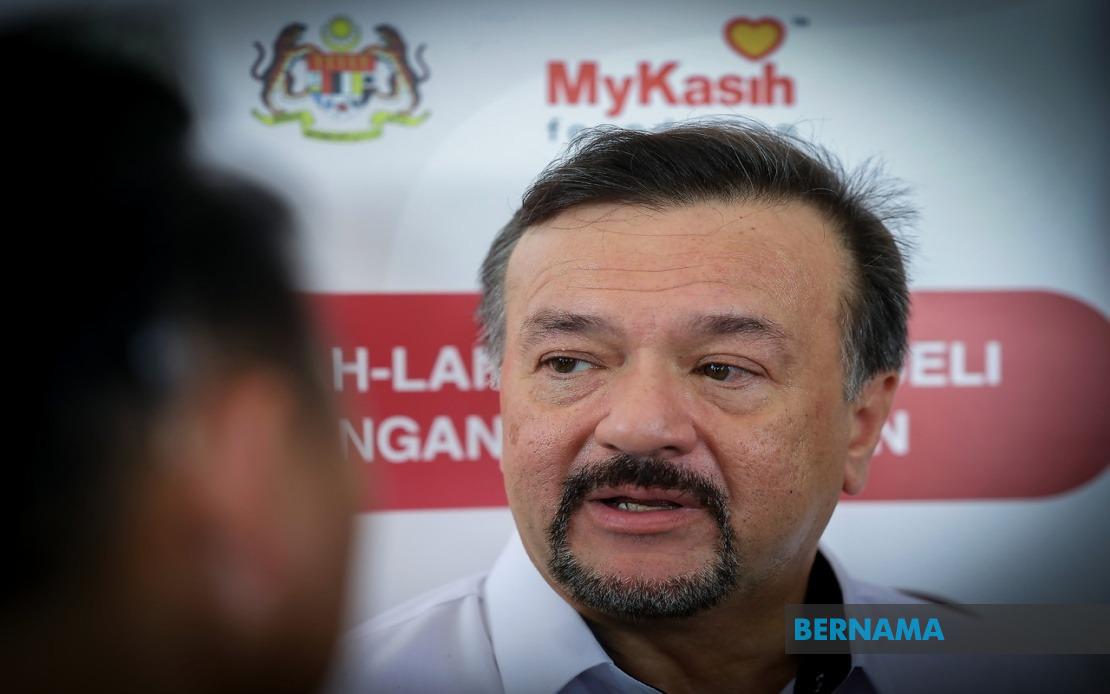
The Malaysian government has adopted a pragmatic stance towards the BUDI MADANI Diesel subsidy scheme, indicating it will entertain refinements to ensure the targeted programme functions effectively. Finance Minister II Datuk Seri Amir Hamzah Azizan made the statement during a media conference in Kuching on June 24, emphasising that the Ministry of Finance intends to base any programme modifications on empirical consumption data rather than anecdotal concerns about insufficient quotas.
The diesel subsidy initiative represents a significant shift in Malaysia's approach to fuel assistance, moving away from blanket subsidies towards a more calibrated system that aims to deliver support where it is most needed. Early implementation data has already provided insights into consumption patterns, with preliminary figures from January through May revealing that only 0.76 per cent of participants exceeded the 200-litre threshold. This metric suggests that for the vast majority of users, current quota allocations have been adequate, though questions remain about whether marginal adjustments might benefit high-consumption sectors.
Amir Hamzah's comments reflect a measured approach shaped by lessons drawn from previous targeted subsidy programmes. The government's experience managing the RON95 fuel subsidy scheme informed this stance, with officials learning that initial perceived shortfalls often do not materialise once schemes are operationalised and actual usage patterns become visible. Rather than responding immediately to complaints about quota restrictions, the finance ministry has chosen to allow the BUDI Diesel framework sufficient runway to demonstrate its effectiveness or reveal genuine structural deficiencies that warrant intervention.
A particularly instructive parallel exists with Malaysia's e-hailing subsidy programme, which the government has refined substantially since its inception. When the e-hailing scheme commenced, drivers reported that fuel allowances proved inadequate for their operational needs. Rather than dismissing these concerns or expanding quotas uniformly, the government analysed actual consumption data submitted by ride-sharing companies and discovered genuine variation in fuel requirements across different operational profiles. This evidence-based approach led to the introduction of tiered quota structures, with participating drivers now eligible for either 600 litres or 800 litres monthly, depending on their consumption records.
The BUDI Diesel programme operates within a similar framework of flexibility and data-driven decision-making. Works Minister Datuk Seri Alexander Nanta Linggi's presence at the Kuching media conference underscored the cross-ministerial significance of the initiative, reflecting its importance to infrastructure and development portfolios. The presence of both finance and works representatives signalled coordinated government commitment to managing the programme's implementation and ensuring it delivers intended benefits without creating unintended economic distortions.
For Malaysian businesses reliant on diesel—particularly in transportation, agriculture, construction, and logistics—the government's openness to programme review offers some assurance that genuine operational constraints will not go unaddressed. However, the emphasis on data-driven decision-making also implies that petitions for quota increases must be accompanied by substantive evidence of actual consumption gaps rather than merely hypothetical hardship scenarios. This approach maintains fiscal discipline while preserving the possibility of targeted interventions where evidence warrants them.
The six-month observation window that Amir Hamzah referenced provides sufficient temporal scope for identifying genuine patterns versus temporary fluctuations in usage. Seasonal variations, economic cycles, and sectoral dynamics all influence fuel consumption, and a months-long data series allows policymakers to distinguish between anomalies and sustained trends. The government's stated willingness to review and adjust demonstrates understanding that no subsidy scheme achieves perfect calibration on initial implementation, yet the insistence on empirical validation before expansion prevents programmes from becoming uncontrolled financial obligations.
Regional implications merit consideration as well, particularly for Southeast Asian policymakers watching Malaysia's approach to fuel subsidies. The region has struggled historically with the fiscal and allocative inefficiencies of universal fuel subsidies, prompting various governments to experiment with targeted alternatives. Malaysia's methodology—combining means-testing or usage-based mechanisms with flexibility built on ongoing performance analysis—offers a potential template for other economies seeking to balance fiscal sustainability with support for essential user groups.
The BUDI Diesel programme also sits within Malaysia's broader economic context, where energy costs significantly influence industrial competitiveness and transportation logistics. By maintaining a subsidy mechanism while improving its targeting, the government aims to protect cost-sensitive sectors without extending benefits unnecessarily to users who can absorb full market prices. This balance becomes increasingly important as global energy prices fluctuate, potentially altering the fiscal impact of any subsidy commitment.
Looking ahead, the government's receptiveness to proposals and willingness to adjust based on data suggests that stakeholders can engage constructively with policymakers on programme refinements. However, successful engagement will require presenting specific usage patterns and operational constraints supported by reliable evidence. Anecdotal complaints or categorical demands for quota increases are unlikely to gain traction without corresponding data demonstrating that existing allocations genuinely fail to meet reasonable sectoral needs.
The coming months will prove pivotal in determining whether the BUDI Diesel programme achieves its objectives of efficiently directing subsidies to intended beneficiaries while maintaining fiscal responsibility. Continued monitoring of usage patterns, ongoing feedback from participating sectors, and the government's demonstrated capacity to respond with calibrated adjustments will ultimately determine the scheme's success. The Ministry of Finance has essentially signalled that it views the current phase as an extended pilot, generating evidence that will inform subsequent policy decisions.

