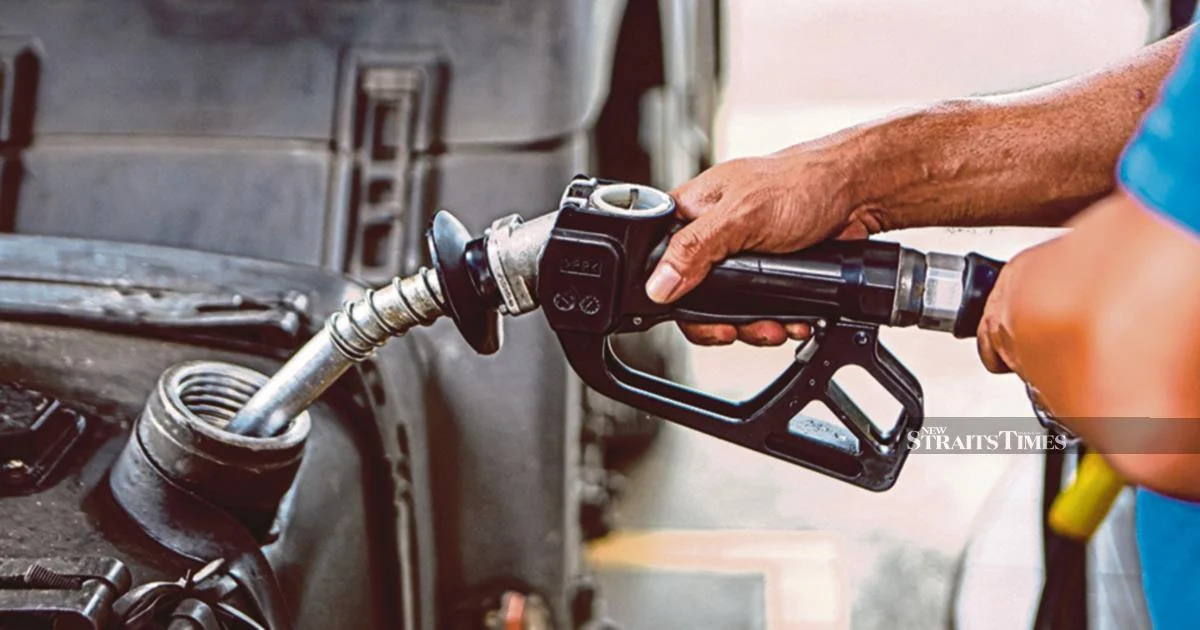
The Malaysian government announced a price reduction for subsidised diesel, bringing the rate down to RM2.10 per litre beginning in July as the administration continues implementing its comprehensive subsidy rationalisation initiative. This adjustment represents a significant shift in the government's approach to managing fuel costs for consumers amid broader economic considerations and fiscal pressures facing the nation.
The subsidy rationalisation programme reflects a deliberate strategy by policymakers to recalibrate how Malaysia allocates resources to fuel support. Rather than maintaining uniform pricing across all consumer segments, the programme aims to target subsidies more efficiently toward those most in need while gradually aligning domestic fuel prices closer to international market levels. This approach seeks to reduce the fiscal burden on public finances while maintaining affordability for essential transport and agricultural sectors.
For Malaysian drivers and transport operators, the RM2.10 price point carries significant practical implications. The reduction from previous levels demonstrates a continued commitment to preventing sudden shocks to the cost of living, particularly for commercial operators and low-income households that depend heavily on fuel for livelihoods. However, the broader trend toward subsidy rationalisation suggests consumers should anticipate that fuel prices may continue adjusting in line with government policy goals and international crude oil dynamics.
The timing of this announcement holds particular relevance for Southeast Asia's transportation and logistics sectors. Malaysia's trucking industry, which serves critical supply chain functions across the region, remains sensitive to fuel cost changes. By maintaining subsidised rates for diesel, the government acknowledges the importance of keeping logistics costs manageable, yet the rationalisation programme also signals that indefinite subsidisation is neither financially sustainable nor economically advisable in the long term.
This policy decision must be understood within Malaysia's broader fiscal context. Government subsidies, particularly for fuel, represent substantial budgetary commitments that compete with spending on healthcare, education, and infrastructure development. By gradually recalibrating subsidy structures, policymakers aim to free resources for developmental priorities while reducing distortions in fuel markets that can encourage inefficiency and excessive consumption. The rationalisation approach allows the government to pursue multiple objectives simultaneously: maintaining consumer affordability, improving fiscal sustainability, and promoting economic efficiency.
For agricultural stakeholders across Malaysia, the diesel price holds outsized importance. Farmers and agribusiness operators depend on diesel for machinery operation, transportation, and supply chain logistics. The subsidised rate helps keep production costs manageable, supporting rural livelihoods and food security. The July adjustment maintains this support while the rationalisation framework ensures the subsidy programme operates within sustainable fiscal parameters that allow long-term policy stability.
Regional observers note that Malaysia's subsidy approach differs markedly from some neighbouring economies. While Indonesia has pursued more aggressive subsidy reductions in recent years, Malaysia has opted for a gradual, carefully managed transition that attempts to balance fiscal responsibility with social considerations. This measured approach reflects domestic political dynamics and the government's judgment about the pace of change Malaysian society can accommodate without experiencing significant economic disruption.
The announcement also signals government confidence in current economic conditions. Subsidy adjustments of this nature require political calculation and public communication strategy, suggesting policymakers believe the timing is appropriate and that public sentiment can accommodate the change. The framing as a reduction—rather than an increase—helps manage public perception, even though the longer-term trajectory involves gradual price normalisation toward unsubsidised levels.
International crude oil price movements will continue influencing how rapidly the rationalisation programme advances. The government's ability to maintain the RM2.10 price depends partly on global oil market dynamics. Should crude prices rise significantly, the fiscal cost of maintaining subsidised rates would increase, potentially accelerating future adjustment schedules. Conversely, if global oil prices moderate, the government might maintain current subsidised rates longer, providing more time for consumers and businesses to adapt.
For Malaysian consumers and businesses planning operations in the coming months, the July adjustment provides concrete information for budgeting purposes. Transport companies can factor the new diesel cost into pricing calculations, while households can anticipate modest savings on motoring expenses. However, the broader subsidy rationalisation programme suggests that fuel prices will remain an area of active policy management, requiring ongoing attention to government announcements and policy developments.
The subsidy rationalisation programme ultimately reflects a fundamental policy choice: that targeted, efficient subsidy deployment serves Malaysia's long-term interests better than universal fuel price support. By reducing the RM2.10 rate and structuring the programme to evolve gradually, the government attempts to balance multiple constituencies and objectives. This approach requires sustained public support and effective communication about the rationale for change, making the coming months critical for assessing how well the policy achieves its intended effects on both fiscal outcomes and public acceptance.

