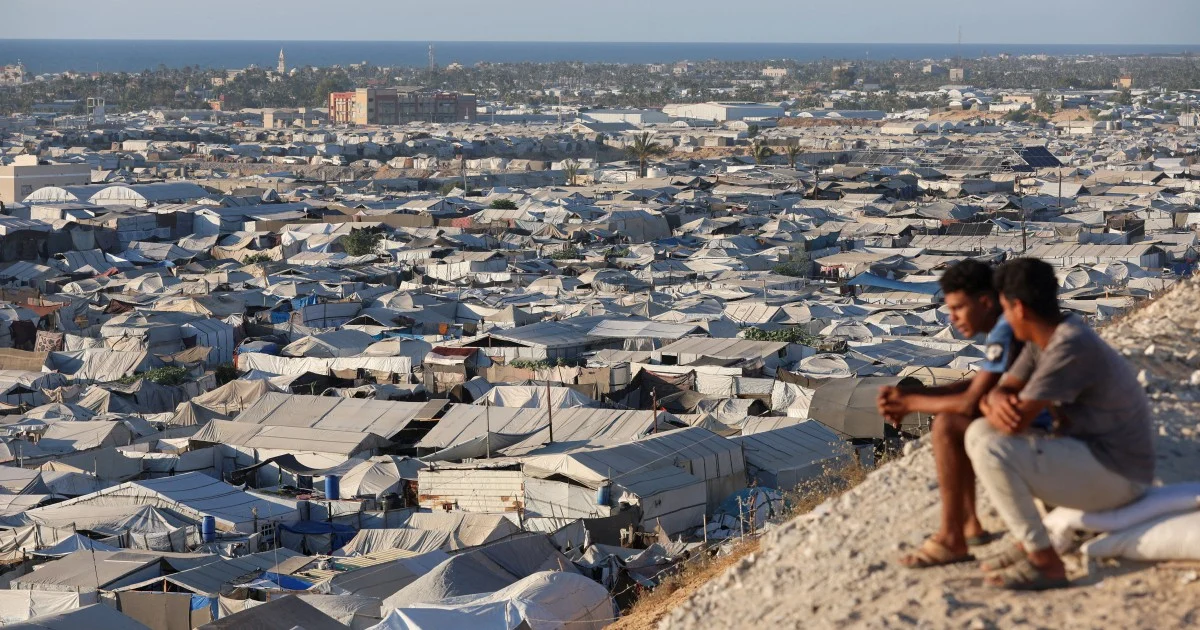
The Gaza ceasefire, which came into effect more than eight months ago, is offering no genuine protection to children despite international declarations of peace, the United Nations said today from its Geneva headquarters. The agency's stark assessment comes as documented evidence shows 265 children have died in the territory since the fighting was formally supposed to have ceased, a figure that exposes the gap between ceasefire announcements and on-the-ground realities affecting the region's youngest population.
UNICEF's characterisation of the ceasefire as a "deadly illusion" reflects growing frustration among humanitarian organisations over the persistence of violence and instability in Gaza long after international mediators announced a truce. The description carries particular weight coming from the UN's dedicated children's agency, which has for years documented the disproportionate impact of conflict on vulnerable young people in active war zones. The language signals that the organisation views the current situation not merely as a failure of implementation, but as a fundamental misrepresentation of security conditions on the ground.
The 265 child fatalities recorded since the ceasefire began represent a continuation of the humanitarian crisis that has defined Gaza for years. These deaths occur amid conditions that international observers have characterised as fragile at best and deteriorating at worst. The persistence of violence despite the ceasefire declaration raises questions about enforcement mechanisms, the capacity of international actors to monitor compliance, and whether all parties operating in Gaza view the agreement as binding.
For Malaysian and broader Southeast Asian observers, the situation illustrates the challenges facing humanitarian intervention in deeply entrenched conflicts. The Gaza ceasefire represents a case study in how diplomatic agreements, even those brokered by major international players, can falter when underlying grievances and security concerns remain unresolved. This dynamic carries lessons for regional stability efforts, particularly in contexts where multiple armed factions and competing interests complicate peacebuilding efforts.
The UN's assessment also highlights the vulnerability of civilian populations, particularly children, when fragile ceasefires collapse or prove ineffective. Child mortality in conflict zones typically reflects broader indicators of healthcare system breakdown, malnutrition, and exposure to active hostilities. The deaths UNICEF has documented suggest that Gaza's ceasefire has not succeeded in restoring the basic services and security conditions necessary to protect children's lives.
The disclosure comes at a time when international attention toward Gaza's humanitarian situation has waned compared to earlier phases of the crisis. The UN's emphasis on ongoing child deaths serves to counter narrative fatigue, reminding the global community that behind headline statistics lie continued suffering and preventable mortality. This pattern—where conflicts fade from headlines while conditions deteriorate—is a persistent challenge in maintaining international pressure for resolution.
UNICEF's warning reflects a broader assessment by humanitarian agencies that the current ceasefire arrangement lacks the depth and enforcement mechanisms necessary to create sustainable peace. Without progress on underlying political disputes and reconstruction, temporary truces risk becoming extended periods of semi-conflict characterised by sporadic violence, humanitarian stagnation, and deteriorating conditions for vulnerable populations.
The agency's statement also carries implications for how the international community measures ceasefire success. Rather than focusing solely on whether large-scale hostilities have ceased, meaningful evaluation must consider whether agreements have enabled humanitarian access, restoration of services, and protection of vulnerable groups. By this broader measure, Gaza's ceasefire appears fundamentally deficient.
For humanitarian organisations operating in the region, the situation underscores the limitations of their work when political solutions remain elusive. UNICEF and similar agencies can document suffering and advocate for change, but cannot themselves resolve the underlying conflicts that perpetuate violence. The organisation's public characterisation of the ceasefire as "deadly" represents both an assessment of current conditions and an implicit call for more comprehensive approaches to peace that address root causes rather than merely pausing active combat.
The revelation of continuing child deaths also raises questions about international accountability mechanisms. When ceasefire agreements fail to protect civilians, particularly children, what recourse exists and what consequences follow? The UN's role in highlighting these failures is crucial for maintaining pressure on parties to honour commitments and work toward genuine, durable peace.
Moving forward, the situation in Gaza demonstrates that ceasefire declarations, while important initial steps, cannot substitute for comprehensive peace settlements backed by sufficient enforcement capacity and international commitment. For Southeast Asia and other regions managing conflicts or post-conflict situations, the Gaza example illustrates the necessity of embedding child protection mechanisms directly into any peace framework, rather than treating such protection as secondary to political negotiations.

