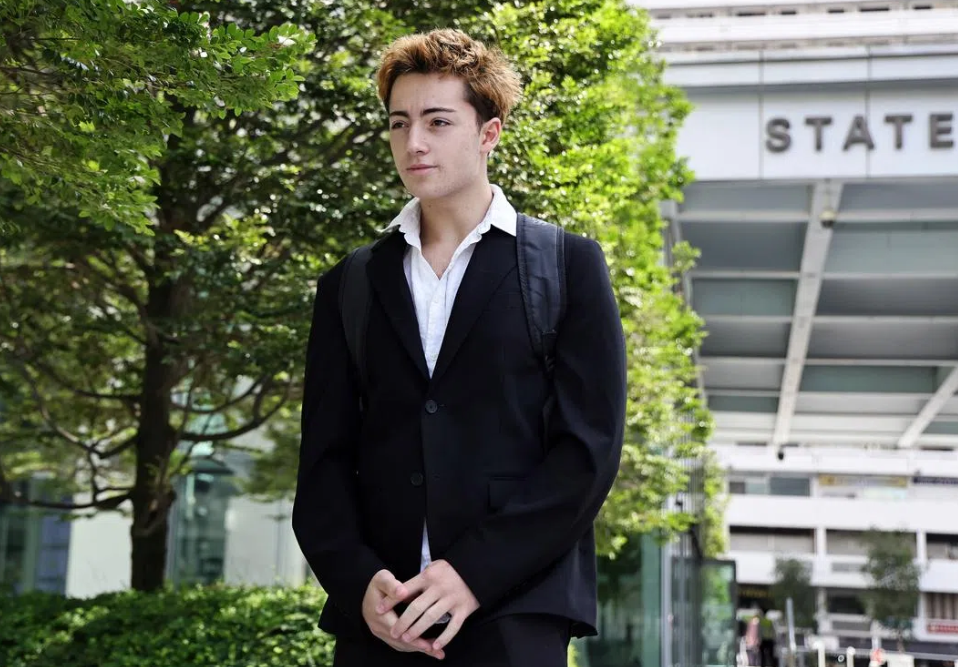
A 19-year-old French national in Singapore is preparing to enter a guilty plea next month following his arrest for an incident involving a vending machine straw that sparked widespread outrage across digital platforms. Didier Gaspard Owen Maximilien faces two charges—committing mischief and being a public nuisance—with his scheduled plea hearing set for July 13 at the district court. The case has drawn considerable attention both in Singapore and across Southeast Asia, highlighting growing concerns about reckless social media behaviour and food safety violations.
The alleged incident occurred on or around March 12 at Goldhill Centre, a commercial establishment located on Thomson Road in central Singapore. According to court documents, Maximilien is accused of removing a straw from an iJooz juice vending machine, licking it, and then returning it to the dispenser for potential consumption by other customers. What made the transgression particularly concerning was his deliberate documentation of the act; he reportedly recorded himself performing the unhygienic deed and subsequently uploaded the footage to social media platforms seeking online attention.
The video gained rapid traction once posted online, circulating widely across social networks on the same day of the alleged offence. The rapid spread of the footage generated considerable shock and alarm among netizens in Singapore and the broader region, with many expressing disgust and concern about product safety at self-service vending machines. The incident touched on anxieties about contamination and public health, particularly given that the machine was designed to serve consumable food products to the general public.
The consequences for iJooz, the company operating the juice dispenser, were substantial. In response to the alleged tampering and the reputational damage from the viral video, the company determined that complete replacement of all straws in the affected machine was necessary. Court documents reveal that this remedial action involved replacing approximately 500 straws, a significant quantity that underscores both the extent of the company's precautionary measures and the potential scale of affected customers had the contamination gone undetected.
Maximilien's case emerged during a period of heightened scrutiny of viral challenges and pranks on social media that compromise public health or safety. The incident illuminates a troubling trend where individuals, particularly younger users, engage in reckless behaviour specifically designed to generate online engagement and views. The deliberate nature of filming and uploading such content distinguishes this case from accidental contamination, indicating premeditation and an apparent disregard for the wellbeing of strangers who might use the vending machine.
The legal framework governing such offences in Singapore provides substantial penalties intended to deter similar conduct. Under the Penal Code, the charge of committing mischief can result in imprisonment for up to two years, a monetary fine, or a combination of both penalties. The secondary charge of being a public nuisance carries a maximum prison sentence of three months, a fine reaching $2,000, or both. These provisions reflect the severity with which Singapore's legal system treats acts that endanger or inconvenience the public.
For Malaysia and other Southeast Asian nations, the case serves as a cautionary reminder of emerging social media-driven behavioural risks affecting public spaces and shared facilities. Similar incidents have been reported across the region, prompting businesses and authorities to reconsider vending machine hygiene standards and security measures. The case also raises questions about platform responsibility, as social media companies come under pressure to detect and restrict content depicting deliberate contamination of food or beverages intended for public consumption.
The progression toward a guilty plea suggests that prosecutors have assembled sufficient evidence linking Maximilien to the alleged conduct. The combination of video documentation, timestamp evidence, and witness accounts appears to have created a compelling case. His decision to enter a guilty plea, rather than contest the charges, may reflect the strength of the evidence against him or potentially negotiations regarding sentencing recommendations from prosecutors.
The implications for businesses operating self-service equipment in public spaces remain significant. The incident has prompted industry stakeholders across Singapore and the region to evaluate protective measures, including enhanced surveillance capabilities, tamper-evident packaging, and modified dispenser designs that reduce accessibility to products. Insurance companies and risk management professionals have also taken note, as product tampering incidents create potential liability exposure and require rapid response protocols to maintain consumer confidence.
As sentencing approaches following the expected guilty plea, the case will likely influence how courts in Singapore and potentially other regional jurisdictions treat similar social media-driven offences. The precedent established may shape enforcement priorities and penalty guidelines for acts combining food tampering with deliberate online amplification. The broader message to young people across Southeast Asia appears clear: actions undertaken for social media engagement that compromise public health or safety will attract serious legal consequences and lasting reputational damage.

