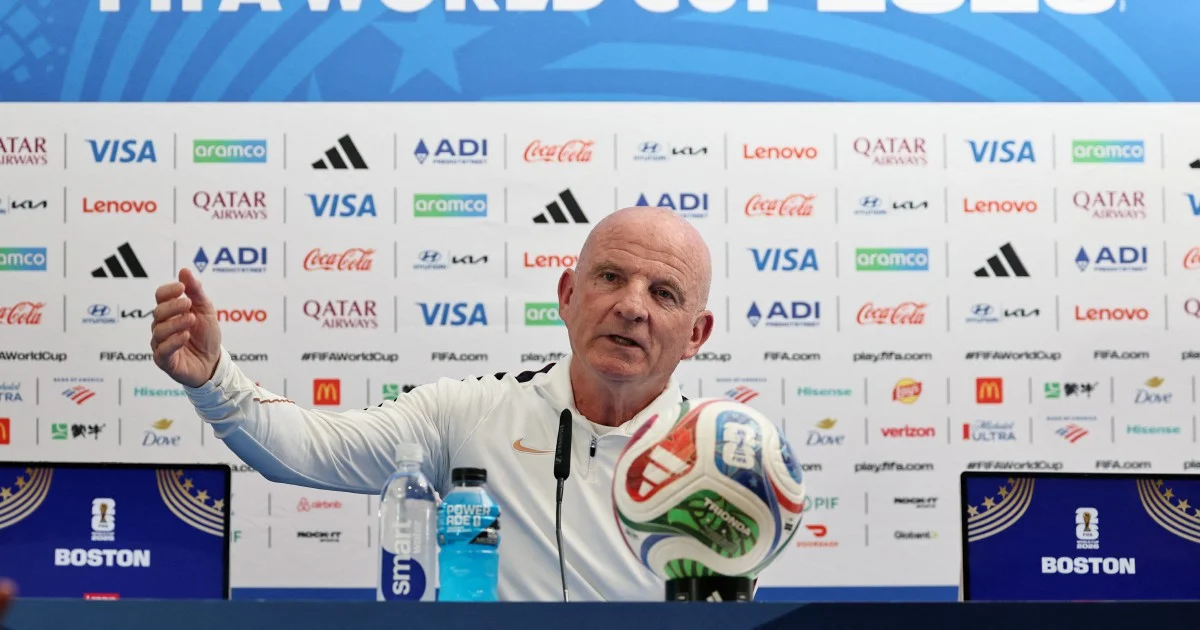
France enters their crucial World Cup Group I encounter against Norway on Friday with a clear objective: secure top spot and avoid the logistical nightmare of travelling across the sprawling United States during the tournament. Assistant coach Guy Stephan, speaking on behalf of manager Didier Deschamps who has temporarily left the squad to attend his mother's funeral, outlined how remaining in the northeastern region near Boston offers significant tactical and practical advantages for the reigning world champions.
The mathematics of advancement are straightforward for France, who have accumulated six points from their opening two matches. A draw at the New England Patriots' home stadium would guarantee first place in the group, courtesy of their superior goal difference over Norway, who have also won both their games. However, Stephan emphasised that the French delegation views topping the group as far more than a mathematical achievement—it represents a strategic necessity for tournament progression.
The practical implications of finishing second would fundamentally reshape France's World Cup experience. Teams concluding second in their groups face the prospect of navigating vast distances between Dallas, Miami, and Atlanta for subsequent matches. These cities are separated by hours of travel across the American South, presenting challenges around player recovery, acclimatisation, and operational efficiency. By contrast, finishing first allows France to remain anchored in the northeastern United States until the quarter-final stage, drastically reducing transit time and maintaining continuity in training facilities and accommodation.
Temperature conditions represent another critical factor influencing France's strategic thinking. The northeastern corridor offers substantially different climatic conditions compared to southern destinations, which could affect player performance and recovery protocols. Stephan's reference to temperature considerations reflects the sophisticated approach modern international teams employ when planning for World Cup progression, where environmental factors can influence everything from hydration strategies to recovery modalities.
The absence of central defender William Saliba from the Norway fixture presents a selection challenge for the French coaching staff. Saliba's unavailability requires tactical adjustments in the defensive structure, potentially affecting team balance and organisational patterns. Simultaneously, striker Marcus Thuram's calf pain troubles add another dimension of uncertainty, forcing contingency planning for attacking personnel.
Deschamps' temporary absence introduces an unusual dynamic for a World Cup campaign, with Stephan assuming public-facing responsibilities during the manager's attendance at his mother's funeral. The assistant coach acknowledged maintaining regular communication with Deschamps but anticipated minimal contact on Friday, the day of the funeral service. This arrangement reflects the delicate balance between honouring personal circumstances and maintaining competitive focus during a major tournament.
Norway's simultaneous qualification and strong form creates an intriguing competitive dynamic. Both nations have demonstrated quality in their opening matches, establishing themselves as serious contenders within Group I. The encounter therefore presents a genuine sporting contest rather than a formality, with both teams possessing legitimate aspirations to finish atop the standings. Norway's capability to trouble France should not be underestimated, even though France's superior goal difference provides mathematical reassurance.
For Malaysian and Southeast Asian observers, the France-Norway match illustrates how World Cup group dynamics extend far beyond pitch performance. Tournament logistics, geographical considerations, and environmental factors profoundly influence team preparation and tournament trajectory. Understanding these contextual elements helps explain why international teams pursue not merely qualification, but optimal positioning within qualifying groups.
The broader implications for France's tournament prospects remain significant. Securing first place sets a precedent for momentum and confidence heading into knockout football. Conversely, finishing second might introduce psychological elements and practical disruptions that could accumulate throughout the tournament. Stephan's emphasis on these considerations demonstrates how World Cup success demands attention to numerous variables beyond player talent and tactical systems.
France's experience as defending champions informs their sophisticated approach to group-stage management. Having won the 2018 World Cup, the team understands tournament dynamics intimately and the cumulative impact of decisions made during initial matches. The pursuit of first place reflects not arrogance but rather pragmatic recognition that optimising logistical and environmental advantages compounds throughout a demanding tournament schedule.
For Norwegian supporters, the encounter represents a chance to demonstrate their team's emergence as a competitive force at the tournament's highest level. While securing top spot would be significant, Norway's qualification itself marks considerable achievement and positions them for knockout competition. The match therefore carries significance for both teams, albeit with different immediate objectives shaping their tactical approaches and team selection decisions.

