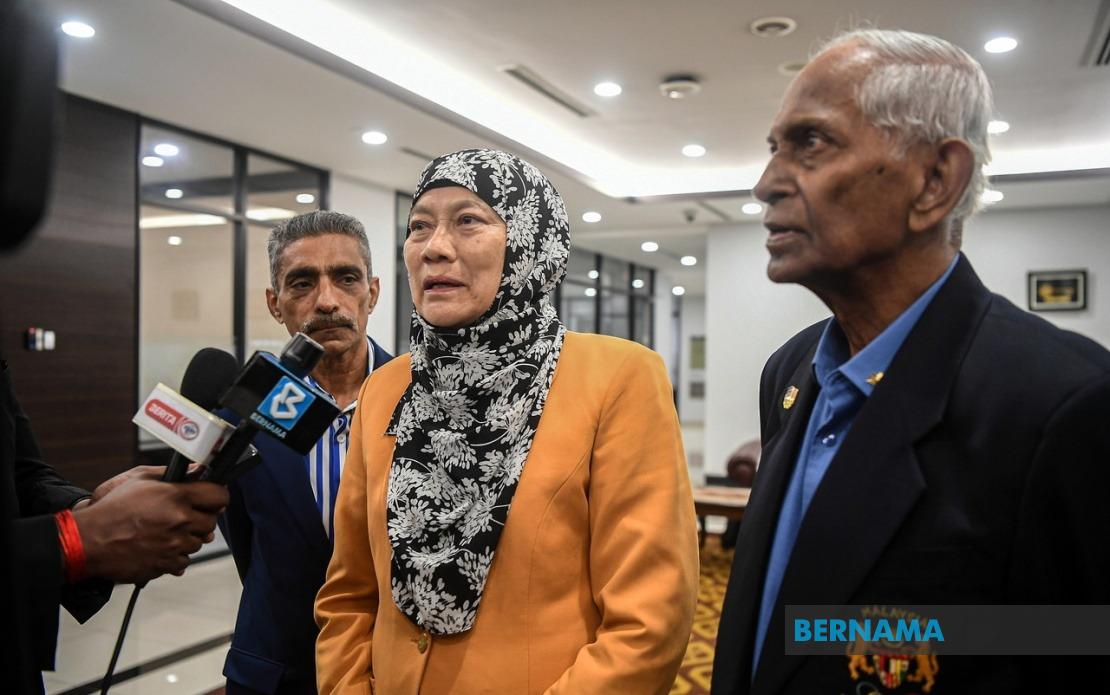
Datuk Zaiton Othman, the former Sports Commissioner and celebrated 'Iron Woman' of Malaysian athletics, has issued a stark warning to Malaysia Athletics that governance lapses could trigger sanctions from the world governing body, potentially crippling the nation's athletics programme at a critical moment. Speaking after a meeting with Youth and Sports Minister Dr Mohammed Taufiq Johari at Parliament, Zaiton cautioned that any constitutional amendments or policy decisions that deviate from World Athletics guidelines could invite disciplinary measures ranging from suspension to outright cancellation of MA's international registration.
The implications of such action would be severe for Malaysia. Should MA face sanctions, the country would be barred from organising athletics competitions during the 2027 SEA Games—an event Malaysia is scheduled to host—and national athletes would be prohibited from competing in any World Athletics-sanctioned international tournaments. This scenario presents a paradox that Zaiton sought to highlight: Malaysia as the host nation for the Games would effectively be unable to stage one of the flagship sporting programmes. Athletics remains among the highest medal-yielding sports at the regional competition, alongside swimming and shooting, making this governance crisis not merely an administrative issue but a strategic threat to Malaysia's SEA Games performance.
The delegation that met with Minister Johari, comprising Olympian Datuk Karu Selvaratnam and former National Athletes Welfare Foundation chairman Datuk Noorul Ariffin Abdul Majeed, represented a cross-section of the sporting establishment united by shared concerns about institutional mismanagement. Their collective intervention reflects growing alarm within Malaysia's athletics community that compliance failures could undermine decades of competitive development. The 47 gold medals available in track and field events at the SEA Games—encompassing the prestigious 100 metres sprint and the 4×100 metres relay—represent substantial medal opportunities that Malaysia could forfeit if administrative problems are not resolved promptly.
Zaiton's remarks form part of a broader advocacy effort by the Reformation in Sports and Excellence (RISE) initiative, which has positioned itself as a watchdog for sporting governance standards. The delegation explicitly framed their intervention not as interference in MA's autonomy but as a corrective measure designed to protect athletes from the consequences of institutional dysfunction. Zaiton emphasised that former athletes and Olympians had coalesced around this issue specifically because they feared that governance irregularities would damage the competitive prospects and international opportunities available to current national team members.
The roots of the current institutional crisis trace back to Malaysia Athletics President Karim Ibrahim's complicated disciplinary history. In 2018, World Athletics suspended Karim from his position, a penalty that was upheld by the Court of Arbitration for Sport following an appeal. Despite this suspension, Karim retained the right to compete for positions on the Asian Athletics Federation Executive Council during the 2019-2023 term, creating an unusual situation where he remained partially operational within regional structures despite international censure. More recently, Karim took leave from leading MA ahead of the scheduled Annual General Meeting, a move designed to facilitate the constitutional amendments necessary to bring MA into full alignment with World Athletics standards.
The constitutional misalignment between Malaysia Athletics and its international parent organisation represents a fundamental governance failure that has accumulated over time. World Athletics maintains strict constitutional and operational requirements for all affiliated national federations, and any departure from these standards triggers review processes that can culminate in sanctions. MA's failure to maintain constitutional conformity until recently suggests either institutional neglect or deliberate resistance to international standards—neither scenario reflects well on the federation's administrative capacity.
Under the Sports Development Act 1997, Malaysia's government retains regulatory tools to oversee sports associations without directly managing their day-to-day operations. The minister and the Sports Commissioner are empowered to enforce compliance with regulatory frameworks, meaning the government need not wait passively for MA to self-correct. However, Zaiton's remarks suggest that sporting bodies themselves must recognise the necessity of rapid institutional reform, as government intervention, however well-intentioned, can create additional complications.
The timing of this governance crisis is particularly unfortunate given Malaysia's preparations as SEA Games host. Athletics competitions require months of logistical planning, venue preparation, and organisational coordination. A federation operating under World Athletics suspension would face insurmountable obstacles in securing international officials, coordinating with neighbouring nations' athletics bodies, and ensuring that competition results receive recognised status. The reputational damage to Malaysian sport would extend well beyond athletics, potentially signalling to other international sports bodies that Malaysia's governance standards require greater scrutiny.
For Southeast Asian readers, this situation underscores a broader pattern affecting regional sports governance. Many national federations across the region operate under varying degrees of World Governing Body oversight, and failures in one nation's federation can create precedent that influences how international bodies regulate others. Malaysia's experience demonstrates that constitutional non-compliance, regardless of whether it stems from administrative incompetence or deliberate resistance, cannot be sustained without eventually triggering international intervention.
The path forward requires swift action from Malaysia Athletics to complete constitutional amendments at the upcoming AGM and demonstrate sustained compliance with World Athletics regulations. The delegation's decision to escalate concerns to the minister suggests that the sporting community believes government pressure may be necessary to accelerate reform. Should MA successfully align its governance structures with international standards before the 2027 SEA Games, the experience could serve as a cautionary tale for other regional federations. Conversely, failure to implement reforms would represent a self-inflicted wound that damages not only Malaysian athletics but also the nation's broader sporting credibility.

