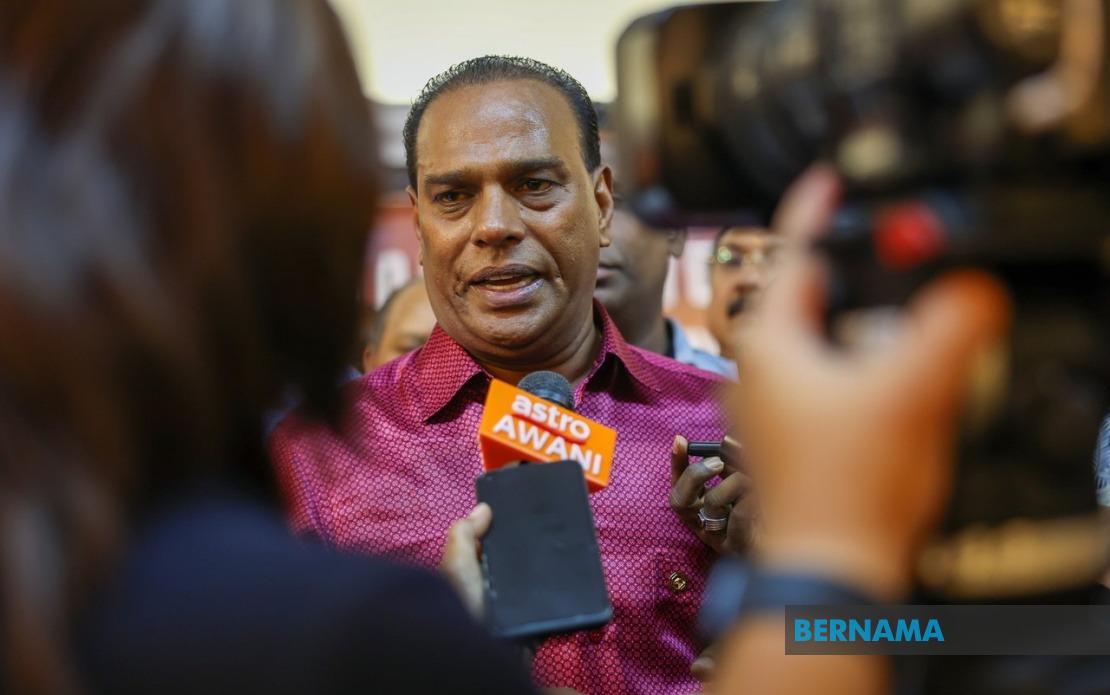
Datuk Seri M. Saravanan, the former Human Resources Minister and deputy president of the Malaysian Indian Congress, has confirmed he will appear before the Sessions Court here tomorrow to face charges. The Tapah MP made the acknowledgment through a video statement circulated to media outlets, indicating his willingness to engage with the legal process despite the circumstances surrounding the allegations.
The charges against Saravanan stem from statements linking him to matters concerning the hiring of foreign workers during the COVID-19 pandemic in 2022. These allegations emerged from what he characterises as a third-party assertion, adding complexity to a case that has drawn significant public and political attention. The timing of these charges, coming amid broader scrutiny of government decision-making during the pandemic period, reflects ongoing efforts by authorities to examine decisions made by public officials during that critical economic and health crisis.
Crucially, Saravanan has highlighted that the individual who initially made the statement connecting his name to the foreign worker recruitment issue passed away approximately two months ago. Subsequently, before his death, this individual executed a Statutory Declaration formally withdrawing the allegations previously levelled against the former minister. This development introduces substantial evidentiary questions about how the case will proceed without the primary witness available to testify or clarify the basis of the original claims.
The former minister has explicitly denied any direct contact or communication with the individual in question, whether through telephone conversations or text messaging. By emphasising this point, Saravanan appears to be establishing a record that he had no opportunity to influence or pressure the witness, a consideration that may become significant during trial proceedings. His statement underscores the importance he places on demonstrating the independence of his position from the allegations, particularly given the deceased status of the key witness.
Despite the withdrawal of allegations through the Statutory Declaration and the passing of the original witness, Saravanan has declared his readiness to mount a vigorous defence against the charges. This position reflects his confidence in the strength of his legal position and his determination to clear his name through the judicial process. His willingness to face trial rather than seek alternative resolutions signals his belief that the facts will vindicate his actions and statements throughout the matter.
The Malaysian Anti-Corruption Commission issued a media advisory today regarding a former minister to be charged at the Sessions Court tomorrow. The expected charges relate to provisions under Section 16 of the MACC Act 2009, which addresses offences involving the solicitation, receipt, offering, or promise of bribes. This specific statutory reference indicates the nature of the allegations focuses on corruption rather than administrative or procedural violations, representing a serious assertion that requires careful examination within the legal framework.
Tomorrow's proceedings will mark the formal commencement of legal proceedings against Saravanan. His legal team has announced an intention to petition the court for an expedited trial schedule, seeking to move the case through the judicial system without unnecessary delay. This application reflects a strategy to resolve the matter efficiently and to minimise the period during which questions about the charges could continue to overshadow his public profile and professional standing.
The case arrives at a moment when scrutiny of pandemic-era government decision-making has intensified across multiple jurisdictions in the region. The foreign worker recruitment policies implemented during 2022 remain subjects of public debate, with questions raised about whether hiring decisions served national economic interests appropriately or whether irregular processes occurred. Saravanan's case will therefore likely attract broader attention beyond his individual circumstances, as it touches on governance questions that extend across the government apparatus during that period.
For Malaysian political observers, this development carries implications for the Malaysian Indian Congress and its positioning within the coalition government structure. Saravanan's status as deputy president means that any protracted legal entanglement could influence party dynamics and leadership considerations going forward. The resolution of these charges will consequently have ramifications extending beyond the individual defendant to the party's institutional interests and internal politics.
The foreign worker recruitment issue during the pandemic period continues generating controversy across Southeast Asia, with various nations reassessing their approaches to migrant labour policy in light of post-pandemic experience. Saravanan's prosecution may therefore serve as a cautionary precedent for other regional officials involved in similar policy decisions, potentially influencing how future pandemic-related personnel decisions are documented, justified, and defended within government systems.

