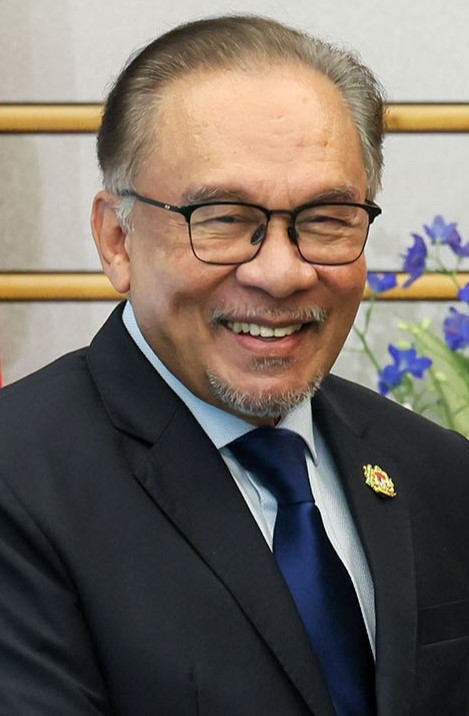
Indications from within political circles point towards former education minister Dr Maszlee Malik positioning himself as a serious contender for a PKR party nomination ahead of Johor's next state election. The speculation surrounding his candidacy reflects broader reshuffling within the opposition coalition as parties prepare for what could be a pivotal contest in Malaysia's southern heartland.
Maszlee, who previously served in the education portfolio during the Pakatan Harapan government, has maintained a visible presence in Malaysian politics despite stepping back from his ministerial role. His emergence as a potential PKR candidate signals the party's confidence in leveraging his profile and administrative experience to attract voters dissatisfied with the current political direction. Within PKR circles, there appears to be genuine enthusiasm for his nomination, particularly among members seeking fresh faces with proven governance credentials.
The timing of such speculation carries significance for the opposition coalition. Johor remains a strategically critical state, having swung back towards the ruling coalition in recent elections. Any attempt by PKR to strengthen its electoral machinery in the state requires candidates with sufficient name recognition and policy gravitas to mount a credible challenge. Maszlee's background in education—a perennial concern for Malaysian families and voters—potentially positions him well to articulate alternative policy platforms on this vital issue.
For PKR specifically, fielding a former minister could serve multiple strategic purposes. It demonstrates the party's ability to attract established political figures while simultaneously signalling continuity with the Pakatan Harapan administration. This approach may help counter accusations that the opposition lacks governance experience or coherent policy direction. Maszlee's education ministry tenure, though not without controversy, provides a substantive record to defend and build upon during campaign messaging.
The Johor political landscape presents both opportunities and challenges for opposition parties. The state has historically been a Barisan Nasional stronghold, and recent electoral outcomes have reinforced this pattern. However, demographic shifts, particularly among younger voters and urbanised communities, suggest potential cracks in the ruling coalition's traditional support base. A candidate like Maszlee, with credentials spanning both policy expertise and political awareness, could potentially tap into these emerging voting blocs.
Maszlee's possible nomination would also reflect PKR's broader strategy of presenting candidates with diverse backgrounds and professional achievements. The party has previously emphasised meritocratic selection processes and the importance of fielding individuals with substantive policy knowledge. His education background aligns with this narrative, distinguishing PKR's approach from purely patronage-driven candidate selection that opposition parties occasionally criticise in ruling coalition parties.
Within the opposition coalition framework, PKR's nomination decisions carry implications for alliance harmony and seat allocation negotiations with DAP and other constituent parties. If Maszlee receives the Johor nomination, this would occupy one of the contests where PKR has traditionally held influence. Such decisions must balance coalition unity with party identity and electoral viability—a delicate calculation that PKR leadership faces regularly.
The speculation itself, even without official confirmation, generates political momentum and media attention beneficial to any potential candidacy. By remaining visible in public discourse and maintaining connections within his party apparatus, Maszlee keeps himself positioned as a serious contender for nomination. This cultivation of political space reflects the informal but crucial processes through which Malaysian political candidates build support bases before formal nomination announcements.
For Malaysian voters, particularly those in Johor, Maszlee's potential candidacy introduces questions about policy direction and accountability. His education ministry record—encompassing curriculum reforms, institutional restructuring, and various controversies—would inevitably become campaign territory. Opponents would scrutinise his tenure while supporters would emphasise his reformist intentions and attempts to modernise the education system. Such substantive policy debates, when focused on specific ministerial records, can elevate electoral discourse beyond personality-driven politics.
The broader context of Malaysian politics suggests that opposition parties are gradually professionalising their candidate selection processes and increasingly emphasising individual track records. Maszlee's potential nomination exemplifies this trend, moving beyond purely local factional politics towards merit-based considerations and public profile awareness. This evolution, if sustained across multiple parties and elections, could contribute to higher quality electoral contestation.
As Johor's political calendar approaches, PKR's actual nomination decisions will reveal whether current speculation translates into formal candidacy. Regardless of outcome, the discussion surrounding Maszlee illustrates ongoing dynamics within opposition politics as parties position themselves for future electoral challenges. His involvement—whether confirmed or ultimately unrealised—underscores the competition for talent and the strategic calculations that drive Malaysian political competition at the state level.