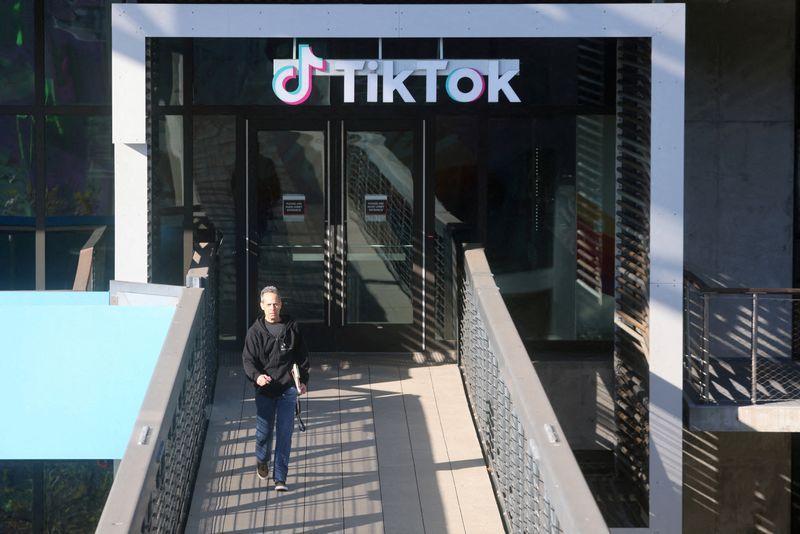
Florida's attorney general James Uthmeier filed a lawsuit against TikTok this week, accusing the Chinese-owned platform of breaching state legislation designed to protect young users from unregulated social media exposure. The complaint, lodged in St. Lucie County state court, centres on allegations that TikTok has systematically allowed children below the age of 14 to establish and maintain active accounts, directly contravening Florida's H.B. 3 statute that took effect in January 2025. Uthmeier, a Republican official, also contends the platform has misled parents about the volume and nature of violent and sexually explicit material that younger users encounter while using the service.
The Florida statute represents one of the nation's most stringent approaches to regulating social media access for minors, establishing a blanket prohibition on account creation for children under 14 and requiring parental authorisation for users aged 14 to 15. This legislative framework reflects growing concern among state policymakers about the unchecked proliferation of social platforms targeting youth demographics without adequate safeguards. Uthmeier's statement underscores the state's hardline position, declaring that Florida maintains "zero tolerance for companies that prioritize profit over children's safety" and specifically alleging that TikTok "knowingly deceives parents." The lawsuit demands not only operational compliance with the statute but also substantial financial restitution for violations.
TikTok, which operates under the ByteDance corporate umbrella, has already begun responding to Florida's enforcement actions by suspending accounts belonging to users under 14 within the state. A company spokesperson acknowledged ongoing engagement with the attorney general's office and stated that the platform continues implementing modifications to align with Florida's regulatory requirements. The response indicates TikTok's strategy of demonstrating good-faith compliance efforts while simultaneously preparing a legal defence. The company asserts it maintains "a strong record on minor safety" and is actively evaluating the state's formal complaint to chart its litigation approach.
Florida's action against TikTok follows a similar aggressive posture toward another major platform. Earlier in 2025, the state sued Snapchat parent company Snap, characterising the Santa Monica-based firm's conduct as "particularly egregious" for marketing its service as appropriate for 13-year-olds whilst simultaneously enabling access to pornography and illicit drug transactions. That case remains ongoing, with Snap mounting a constitutional defence based on First Amendment protections for minors' rights. The accumulation of enforcement actions demonstrates Florida's determination to establish itself as a leading jurisdiction in social media regulation, potentially setting precedents that influence regulatory approaches across the United States.
The constitutional dimensions of Florida's child safety framework have already encountered judicial obstacles. A federal judge previously blocked enforcement of H.B. 3, ruling the statute unconstitutional, though that decision has been temporarily suspended pending appellate review. This legal complexity means Florida can continue enforcing the law while challenging the lower court's reasoning through higher court proceedings. The constitutional question centres on whether age-based restrictions on minors' social media access impermissibly limit First Amendment freedoms, a tension that will likely require appellate clarification.
Beyond Florida's specific litigation, TikTok faces an unprecedented litigation tsunami originating from more than 25 state attorneys general nationwide, most pursuing claims under state consumer protection statutes. These broader cases allege that TikTok's platform architecture deliberately incorporates addictive design elements engineered to capture and hold juvenile attention, thereby precipitating a documented mental health crisis among American adolescents. The sheer volume and geographic distribution of these lawsuits suggest a coordinated national effort to establish legal accountability for social media's impact on youth wellbeing.
Private litigation against TikTok, Meta, and Google has also expanded dramatically, encompassing thousands of individual claims and institutional lawsuits filed by school districts. The first significant trial verdict in this litigation landscape saw a Los Angeles jury find Meta and Alphabet's Google negligent in a case brought by a young woman who attributed depression and anxiety disorders to platform addiction developed during childhood. TikTok, named as a co-defendant, opted to settle before trial, whilst the platform also negotiated a pre-trial settlement with a Kentucky school district worth USD 8 million, acknowledging the financial exposure these cases present.
For Malaysian and Southeast Asian observers, this Florida litigation reflects broader global tensions surrounding social media regulation and the protection of minors in digital environments. Many countries across the region grapple with similar questions about appropriate regulatory frameworks for protecting children while respecting platform innovation and user freedoms. The outcomes in Florida and other American jurisdictions may influence approaches adopted by regulators in Malaysia, Singapore, Indonesia, and other ASEAN nations as they contemplate their own social media governance structures.
The strategic responses by technology companies to these regulatory challenges also merit close attention. TikTok's simultaneous compliance gestures and legal defences reveal a corporate calculation that litigation costs and settlement payments may prove less damaging than fundamental platform restructuring. This calculus becomes especially relevant in jurisdictions considering mandatory age verification systems or content filtering mechanisms, where implementation costs could be substantial. The company's willingness to settle individual and district-level cases whilst contesting state-level enforcement actions suggests differentiated litigation strategies based on litigation risk exposure and reputational considerations.
The broader implications extend to questions about corporate accountability for algorithmic design choices and content moderation failures. Florida's lawsuit specifically targets TikTok's misrepresentation of content exposure risks, suggesting courts may increasingly scrutinise how platforms disclose the nature and volume of potentially harmful material users encounter. This accountability framework, if successful in Florida and replicated elsewhere, could establish new industry standards for transparency regarding algorithmic content delivery and age-appropriate filtering mechanisms. Such developments would reshape how technology companies approach product design and parental communication strategies across global markets.