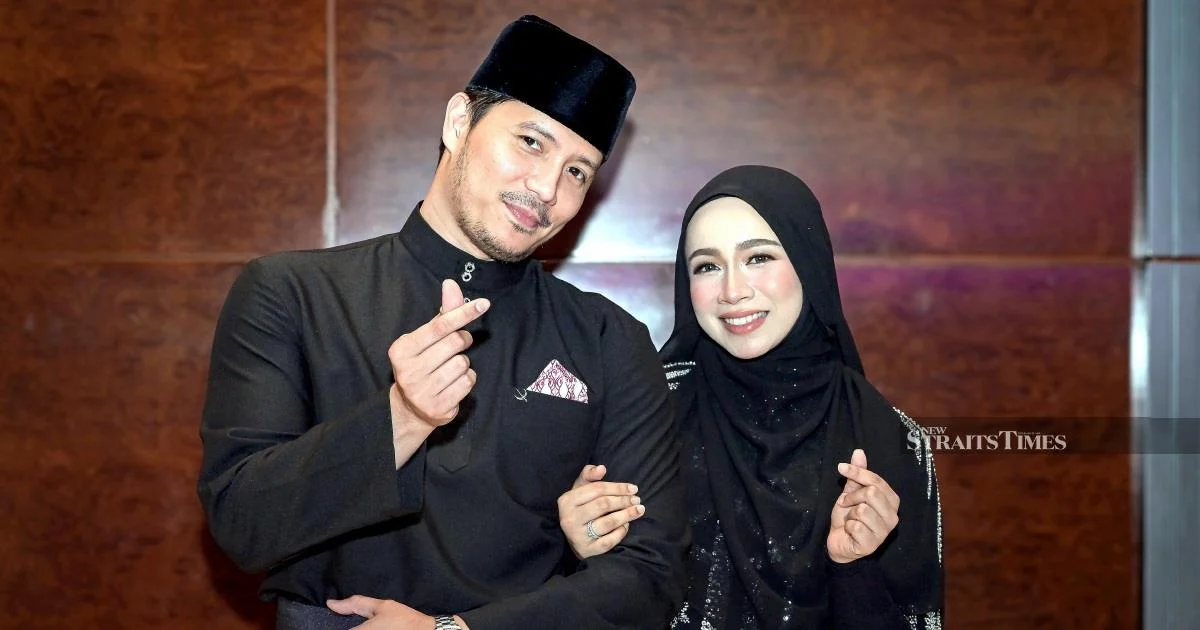
Malaysian entertainment figures Fattah Amin and Amira Othman have moved swiftly to reject claims that they were involved in a physical abuse incident with an Indonesian domestic worker, after allegations surfaced and gained traction across social media platforms in recent days. The high-profile couple issued firm denials regarding their alleged involvement in the matter and signalled their intention to explore legal recourse against those spreading the damaging claims.
The allegations emerged through social media channels and rapidly accumulated shares and comments among online communities. Such viral accusations have become an increasingly common phenomenon in Malaysia's digital landscape, where unverified claims can reach millions of people within hours, potentially causing significant reputational harm to those named. The speed with which allegations travel online has made public response a critical element of crisis management for public personalities in Malaysia.
Abuse allegations involving domestic workers represent a particularly sensitive subject in Malaysian society. The country hosts one of Southeast Asia's largest populations of migrant domestic helpers, with hundreds of thousands of Indonesian, Filipino, and Bangladeshi workers employed in private households. Cases of maltreatment have periodically dominated headlines and sparked broader conversations about worker protections and employer accountability. This context adds weight to allegations involving household staff, regardless of their ultimate veracity.
Fattah Amin, known for his work in Malaysian television and film productions, and Amira Othman, equally prominent in the entertainment industry, both possess significant public profiles that translate into substantial social media followings. Their prominence in the public eye means that allegations against them carry amplified reach and potential impact compared to ordinary citizens facing similar claims. The couple's established presence across entertainment channels and social platforms has created both visibility and vulnerability in the court of public opinion.
The decision to threaten legal action represents a increasingly common response strategy among Malaysian public figures confronting viral accusations. Legal threats serve multiple purposes: they signal serious intent to defend reputations through formal mechanisms, they may deter further circulation of allegations by warning of potential consequences, and they provide a pathway to establish factual records through court proceedings. However, such approaches also carry inherent risks, as courtroom proceedings become matters of public record and can extend media attention rather than limiting it.
Indonesian domestic workers in Malaysia frequently find themselves in precarious situations despite regulatory frameworks intended to protect them. Language barriers, isolation from their communities, dependence on employer-sponsored visas, and limited access to complaint mechanisms can create environments where abuse goes unreported or unpunished. Conversely, these same vulnerabilities mean that false allegations against employers can also cause injustice, making questions of evidence and verification critically important in such cases.
The entertainment industry in Malaysia has experienced increasing scrutiny regarding conduct and workplace practices in recent years, paralleling similar movements globally. High-profile allegations—both substantiated and disputed—have prompted broader discussions about power dynamics, accountability, and the responsibilities of those in public positions. The industry's response to serious allegations, whether through denial, investigation, or other means, influences public perception of celebrity culture and institutional responsibility.
Social media's role in amplifying unverified claims has created distinct challenges for public figures seeking to protect their reputations. Unlike traditional media, which applies editorial gatekeeping and fact-checking processes, social platforms allow rapid dissemination of allegations without verification mechanisms. Malaysian celebrities have increasingly found themselves needing to respond to claims that may lack substantiation, creating situations where denial itself becomes public spectacle and further spreads the original allegation.
The couple's strong denial and legal threats suggest confidence in their position, though the effectiveness of such responses depends largely on evidence and public receptiveness. For Malaysian audiences, particularly those following entertainment news closely, the coming developments in this matter may influence perceptions not only of the individuals involved but also broader questions about accountability, evidence standards, and the reliability of social media as an information source. How this situation unfolds could set precedents for how similar cases are handled within Malaysian entertainment circles and beyond.

