The traditional image of the father as sole family provider is becoming increasingly outdated in Malaysia's rapidly evolving society, according to the National Population and Family Development Board (LPPKN). Rather than remaining confined to financial responsibilities, contemporary fathers must embrace a more expansive role that encompasses emotional nurturing, active communication and meaningful involvement in their children's schooling and personal development. This shift reflects broader changes in Malaysian family dynamics and societal expectations about what it means to be an engaged parent in the 21st century.
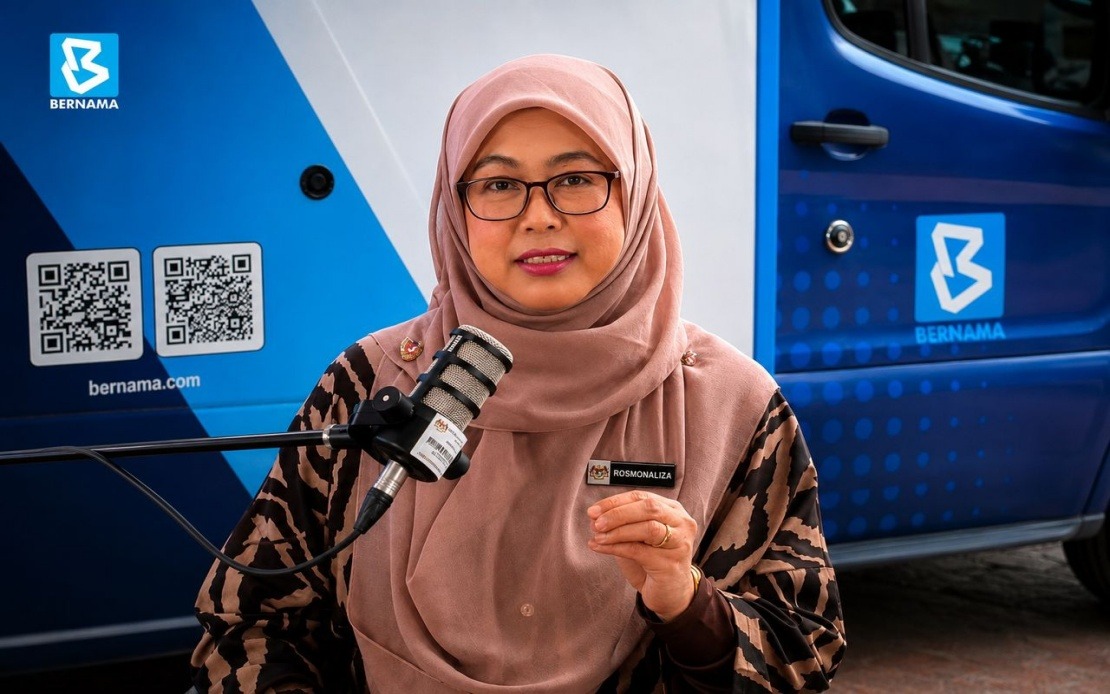
Rosmonaliza Abdul Ghani, director of LPPKN's Family Well-being Division, highlighted during a recent podcast discussion that fathers today function as agents of change capable of building stronger, more resilient family units. The emphasis on paternal involvement extends far beyond the conventional understanding of masculinity in many Asian contexts, where men's roles have historically centred on economic provision. By repositioning fathers as active participants in emotional and educational spheres, LPPKN recognises that modern families require both parents to contribute meaningfully across multiple dimensions of child development.
Effective family communication has emerged as a cornerstone of contemporary parenting philosophy in Malaysia. Rosmonaliza stressed that without consistent, open dialogue between fathers and their children, paternal figures risk becoming disconnected from the actual needs and concerns of the younger generation. This communication gap can undermine a father's ability to guide his children through adolescence and into adulthood, particularly during critical periods when young people grapple with academic pressure, peer relationships and identity formation. The absence of meaningful conversation leaves children without crucial emotional anchoring during vulnerable phases of development.
A significant positive trend has emerged within Malaysian society: an increasing willingness among men to seek professional support and counselling for personal and family challenges. Rather than internalising struggles in silence, more fathers are openly engaging with mental health services and attending joint counselling sessions alongside their spouses and children. This cultural shift represents a departure from traditional norms that often discouraged men from admitting vulnerability or seeking external assistance. LPPKN has responded by establishing comprehensive support infrastructure including counselling, therapeutic interventions and personality assessments specifically designed to address the unique pressures fathers encounter.
The range of challenges facing contemporary Malaysian fathers extends well beyond financial anxiety. Mental health issues, work-related stress and difficulty navigating changing family dynamics present legitimate obstacles that many men struggle to overcome independently. By providing what LPPKN describes as a safe, non-judgmental space for fathers to articulate their concerns, the board aims to prevent the isolation and internalisation that can lead to destructive coping mechanisms. The underlying philosophy emphasises that fathers need not carry their burdens alone and that seeking help strengthens rather than diminishes their capacity to parent effectively.
The consequences of paternal absence and disengagement manifest throughout Malaysian society in ways that extend beyond individual families. Social work practitioners operating with vulnerable populations have documented how the absence of active father figures correlates directly with increased rates of youth delinquency, substance abuse and family instability. When household heads struggle with their own challenges—whether addiction, poverty or mental health difficulties—children inherit not only material hardship but also the emotional turbulence of unresolved family trauma. Breaking this intergenerational cycle requires deliberate intervention focused on restoring fathers' engagement and stability within family systems.
The approach to addressing struggling fathers must balance accountability with compassion, according to experienced social workers working with disadvantaged communities. Punitive methods or judgmental attitudes tend to reinforce the defensive posture that prevents men from accepting help and reclaiming their roles as responsible household leaders. Instead, interventions rooted in religious principles, community values and family-centred frameworks prove more effective at motivating behavioural change. This culturally sensitive approach acknowledges the psychological resistance that can accompany admissions of failure or inadequacy, particularly within honour-conscious societies where masculine identity carries significant social weight.
The quality of paternal engagement ultimately depends upon receiving adequate support from within the family unit. Spouses and children occupy crucial positions in encouraging fathers to process their stressors constructively rather than suppressing problems that inevitably surface as family dysfunction. When mothers actively validate their husband's efforts and children demonstrate appreciation for paternal sacrifice, fathers gain emotional reinforcement that sustains their commitment to the family. Conversely, when fathers feel unappreciated or invisible within their own households, the motivation to remain actively engaged diminishes significantly.
Rosmonaliza emphasised a particularly poignant aspect of paternal involvement: children often fail to appreciate their father's sacrifices until much later in life, sometimes too late for meaningful reconciliation or gratitude. This delayed recognition underscores the importance of fathers prioritising quality time with their children throughout childhood and adolescence, understanding that emotional presence and engaged attention represent far more valuable contributions than material accumulation. In Malaysian contexts where economic advancement sometimes crowds out family time, this message carries particular urgency. The bonds forged through consistent parental presence and emotional attentiveness shape children's fundamental sense of security and self-worth in ways that material comfort cannot replicate.
The broader implications of LPPKN's advocacy extend across Malaysian society, suggesting that paternal engagement constitutes a genuine public health and social stability concern warranting government attention and resource allocation. Family institutions that include emotionally present, mentally healthy fathers demonstrate greater resilience and produce children with stronger social competencies and educational outcomes. By normalising male participation in counselling, encouraging fathers to develop communication skills and emphasising their non-financial contributions to family wellbeing, LPPKN positions paternal engagement as integral to national stability and social progress. This reframing challenges traditional gender role assumptions while acknowledging that contemporary Malaysian families benefit profoundly when fathers move beyond provision alone to embrace their full potential as nurturers and guides.

