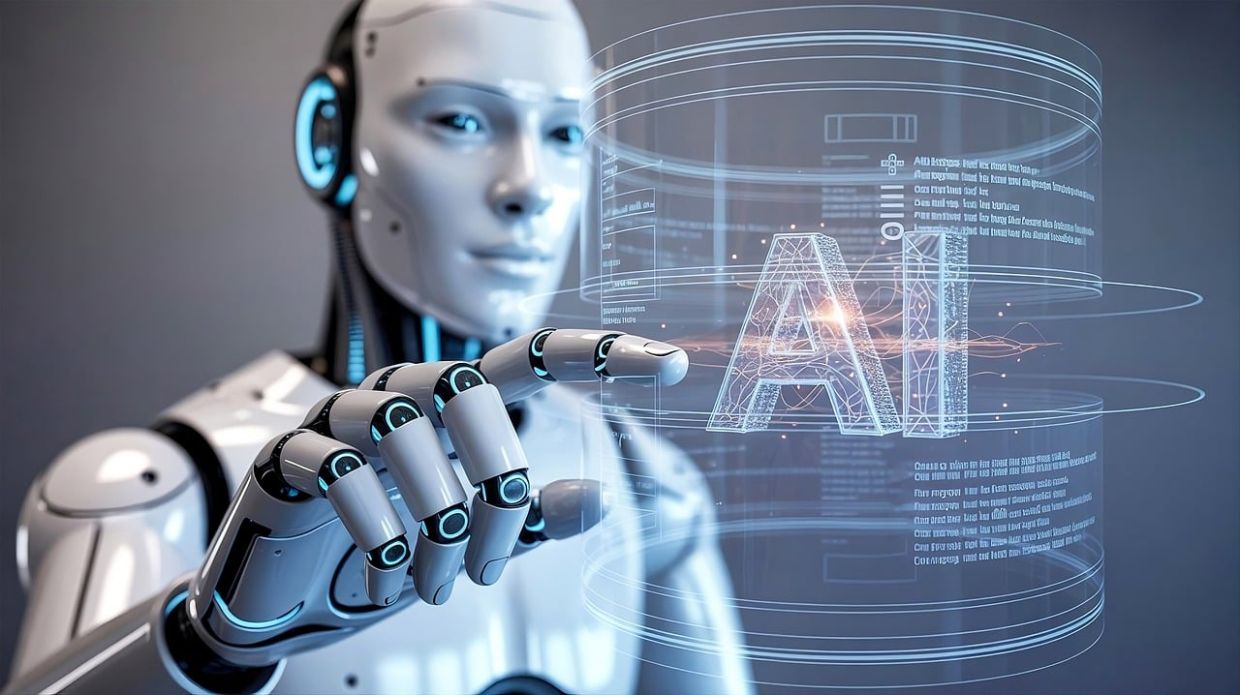
Estonia is preparing groundbreaking legislation that would assign personal identification numbers to artificial intelligence systems, effectively extending certain legal protections and responsibilities to non-human entities. According to Prime Minister Kristen Michal, this unprecedented move would grant AI assistants rights while simultaneously establishing mechanisms to hold them accountable for actions undertaken on behalf of businesses, institutions, and individuals. The initiative positions the Baltic nation as a global pioneer in addressing the complex legal questions emerging from rapid artificial intelligence deployment across multiple sectors of society.
No other country has attempted legislation of this scope and nature, making Estonia's initiative a landmark moment in the international conversation about artificial intelligence governance. As governments worldwide grapple with how to regulate autonomous systems that increasingly make decisions affecting citizens' lives, Estonia's approach offers one potential framework. The nation's Prime Minister emphasised that by moving decisively and strategically, Estonia could establish itself as an architect of international standards governing AI rather than merely adopting rules set elsewhere. However, he provided no timeline for implementation, leaving questions about how quickly this transformative policy might take shape.
Estonia's capacity to pursue such forward-thinking initiatives stems from its reputation as a digital-first society. The country, with a population of 1.3 million, has fundamentally reimagined how citizens interact with government services through comprehensive digitalisation. Personal digital identification numbers already form the backbone of Estonian life, enabling residents to conduct marriage registrations, book medical appointments, and execute legal documents entirely online. This technological infrastructure has virtually eliminated the bureaucratic paperwork and lengthy queues that characterise government administration in many other nations, allowing the country to operate with remarkable administrative efficiency.
The Estonian government has already extended its digital infrastructure globally through its e-residency programme, which permits entrepreneurs and businesses worldwide to establish operations and maintain compliance using Estonia's digital systems. This programme generates millions in annual tax revenue while simultaneously showcasing Estonian technological capabilities to international markets. The expansion of digital ID systems to encompass artificial intelligence assistants represents a natural evolution of this strategy, potentially creating new revenue streams while advancing the nation's position as a centre of innovation in digital governance and AI integration.
Estonia's commitment to artificial intelligence adoption extends well beyond legislative frameworks into practical implementation across educational institutions. The government has systematically introduced AI-powered chatbots throughout its school system by partnering with prominent technology companies including OpenAI and others. These educational applications demonstrate the government's confidence in AI systems and its willingness to integrate advanced technologies into sensitive sectors serving young people. This hands-on experience with AI deployment in schools has likely informed the nation's thinking about how to develop appropriate legal and regulatory structures for managing increasingly sophisticated artificial systems.
Prime Minister Michal's approach to AI governance reflects broader strategic thinking within the Estonian government about maintaining technological leadership. He has established a dedicated advisory council focused specifically on artificial intelligence, staffed by prominent technology entrepreneurs and leaders. Among these advisers is the chief executive of Bolt Technology OU, a ride-hailing platform that has achieved significant international success and operates across numerous countries. This composition ensures that AI policy discussions benefit from practical experience with deploying cutting-edge technology at scale and navigating the complex challenges such deployment generates.
The Prime Minister himself has demonstrated personal engagement with emerging AI capabilities, recently participating in sessions exploring advanced coding techniques and constructing what he termed a "PM Cockpit" utilising Anthropic's Claude agent system. This cockpit reportedly aggregates crucial government priorities and initiatives into a single interface, allowing senior decision-makers to maintain comprehensive oversight of policy objectives. Such direct experience with AI capabilities positions Estonia's leadership to make informed decisions about how these systems should be regulated and integrated into governance structures.
For Malaysia and other Southeast Asian nations monitoring global AI governance developments, Estonia's initiative carries significant implications. As artificial intelligence increasingly mediates relationships between citizens and institutions across the region, questions of legal responsibility and AI accountability become increasingly pressing. Estonia's approach—assigning legal identity to AI systems rather than treating them as mere tools—represents a philosophical shift in how societies conceptualise human-machine relationships. This framework could influence how other nations develop their own AI regulations and legal structures.
The Estonian model also highlights how smaller nations with concentrated technological expertise and political will can position themselves as standard-setters in emerging domains. By acting decisively before larger nations establish competing frameworks, Estonia seeks to ensure its approach influences international norms. This strategy holds lessons for smaller Southeast Asian economies that might leverage existing technological competencies to shape regional and global AI governance standards rather than simply adopting frameworks developed elsewhere.
The practical mechanisms through which AI assistants would be held accountable for their actions remain undefined at this stage. Whether liability would rest with the AI system itself, its developers, or the organisation deploying it represents a fundamental question requiring careful consideration. The answers Estonia develops will likely influence approaches elsewhere, making the precise implementation details as significant as the conceptual framework itself.
Estonia's digital-first governance model and proven capacity for technological innovation suggest that if any nation can successfully implement such a complex legal framework, it possesses the technical infrastructure and institutional knowledge to do so. However, the true test will arrive when other nations observe the practical outcomes and begin either adopting similar approaches or developing alternative frameworks.