%22%2F%3E%3C%2Fpattern%3E%3C%2Fdefs%3E%3Crect%20width%3D%22100%25%22%20height%3D%22100%25%22%20fill%3D%22url(%23ph8hbpg)%22%2F%3E%3Crect%20width%3D%22100%25%22%20height%3D%22100%25%22%20fill%3D%22url(%23ph8hbpp)%22%2F%3E%3Ctext%20x%3D%2250%25%22%20y%3D%2250%25%22%20text-anchor%3D%22middle%22%20dominant-baseline%3D%22central%22%20fill%3D%22rgba(255%2C255%2C255%2C0.95)%22%20font-family%3D%22Georgia%2C%20'Times%20New%20Roman'%2C%20serif%22%20font-weight%3D%22700%22%20font-size%3D%22136%22%20letter-spacing%3D%22-0.02em%22%3EEngagement%3C%2Ftext%3E%3C%2Fsvg%3E)
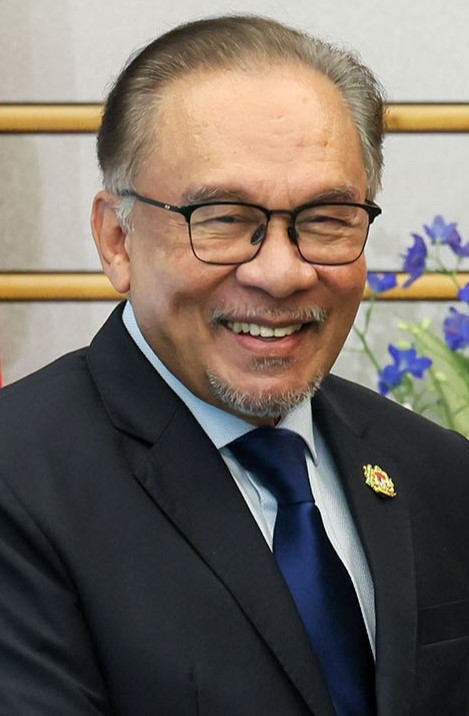
Prime Minister Datuk Seri Anwar Ibrahim has underscored the critical role that diplomatic engagement platforms play in navigating an increasingly complex international landscape marked by persistent challenges and unpredictability. Speaking at the ASEAN-Russia Commemorative Summit in Kazan, Anwar emphasised that structured forums for dialogue between regional blocs and major powers remain indispensable tools for fostering deeper comprehension among nations and their leadership.
The summit, which brought together representatives from the Association of Southeast Asian Nations and Russia, represents precisely the kind of multilateral gathering that Anwar believes can bridge geographical and political divides. By creating dedicated spaces for formal and informal interaction, such forums enable leaders to move beyond official rhetoric and develop the personal relationships necessary for effective international cooperation. Anwar's remarks suggest that in an era of shifting geopolitical alignments and competing interests, dialogue itself has become an increasingly valuable commodity.
Beyond mere conversation, Anwar stressed that these engagement platforms serve a more fundamental purpose: establishing and reinforcing trust between participating nations. Trust, often described as the foundation of effective diplomacy, cannot be built overnight through proclamations or written agreements alone. Rather, it develops through sustained engagement, the sharing of perspectives, and the demonstration of genuine commitment to mutual respect. The gala dinner hosted by President Vladimir Putin during the summit exemplified this approach, providing an informal setting where leaders could interact outside the confines of formal negotiations.
For Malaysia specifically, participation in such high-level summits carries particular significance. As a bridge nation between East and West, and as a prominent ASEAN member, Malaysia benefits from maintaining robust relations with both regional partners and global powers. Anwar's attendance at the Kazan summit, alongside his concurrent role as Finance Minister, signals the Malaysian government's strategic prioritisation of these diplomatic engagements. It underscores a deliberate policy of economic and political diversification that refuses to tether Malaysia to any single sphere of influence.
The identification and exploration of mutually beneficial areas of cooperation stands at the heart of modern diplomacy. While ASEAN and Russia may not share immediate geographical proximity or cultural homogeneity, both blocs possess complementary strengths and interests. Russia's vast natural resources, technological capabilities, and geopolitical influence can benefit ASEAN economies, while ASEAN's dynamic growth trajectories and strategic location present opportunities for Russian investment and partnership. Anwar's emphasis on exploring cooperation suggests a pragmatic approach to international relations, one focused on identifying concrete benefits rather than abstract alliance-building.
The timing of this summit reflects broader geopolitical realities in which Asian nations increasingly seek to maintain balanced relationships with multiple powers rather than commit exclusively to any single bloc. For Malaysia and other ASEAN members, this independent foreign policy orientation is crucial for preserving strategic autonomy. By engaging meaningfully with Russia through platforms like the Commemorative Summit, ASEAN nations assert their capacity to pursue partnerships based on national interest rather than external pressure or colonial-era expectations.
Anwar's reference to Russia's rich culture, history, and heritage during the summit dinner reveals an understanding that effective diplomacy extends beyond transactional negotiations. Cultural exchange and mutual appreciation of diverse civilisations create the emotional and intellectual foundation upon which lasting partnerships are built. For Malaysian audiences, this recognition of Russian heritage parallels Malaysia's own multicultural composition and its commitment to interfaith and intercultural dialogue as pillars of national identity and international engagement.
The ASEAN-Russia forum also addresses a strategic gap in the existing international architecture. While ASEAN maintains strong ties with Western powers through longstanding agreements and institutions, and increasingly deep engagement with China through trade and investment, explicit multilateral mechanisms with Russia remain relatively underdeveloped. The Commemorative Summit therefore represents an attempt to formalise and elevate a relationship that, while historically present, has often operated in the shadows of more prominent alignments.
For Southeast Asian nations navigating complex trade-offs between competing interests, summits of this nature provide invaluable opportunities to assess potential partners beyond traditional Cold War categories. Russia's interests in energy cooperation, technology transfer, and regional security resonate with ASEAN priorities around economic development and maintaining stability in Southeast Asia. By creating dedicated platforms for such discussions, nations can move beyond occasional bilateral contacts to sustained, structured engagement.
Anwar's broader message carries implications that extend beyond immediate diplomatic niceties. In emphasising the importance of understanding and trust, he articulates a vision of international relations premised on dialogue rather than confrontation, on mutual benefit rather than zero-sum competition. For Malaysia, a nation committed to maintaining stable relationships across multiple regions and power centres, such an approach aligns perfectly with national strategic interests.
The practical outcomes of summits like the ASEAN-Russia Commemorative Summit may take time to materialise in concrete agreements or expanded trade volumes. However, the intangible benefits—enhanced mutual understanding, personal relationships between leaders, and frameworks for future collaboration—often prove more valuable than immediate economic metrics. These platforms establish the conditions within which countries can cooperate on shared challenges ranging from counterterrorism and maritime security to climate change and pandemic preparedness.
As the international system continues to undergo structural changes, with emerging economies gaining influence and traditional power balances shifting, the capacity of nations to engage constructively with diverse partners becomes increasingly vital. Anwar's emphasis on engagement platforms reflects recognition that in the twenty-first century, no nation can afford isolation or exclusive alignment with a single bloc. Malaysia and its ASEAN partners must maintain the diplomatic infrastructure and political will necessary to pursue balanced, pragmatic international relations that serve national development and regional stability.