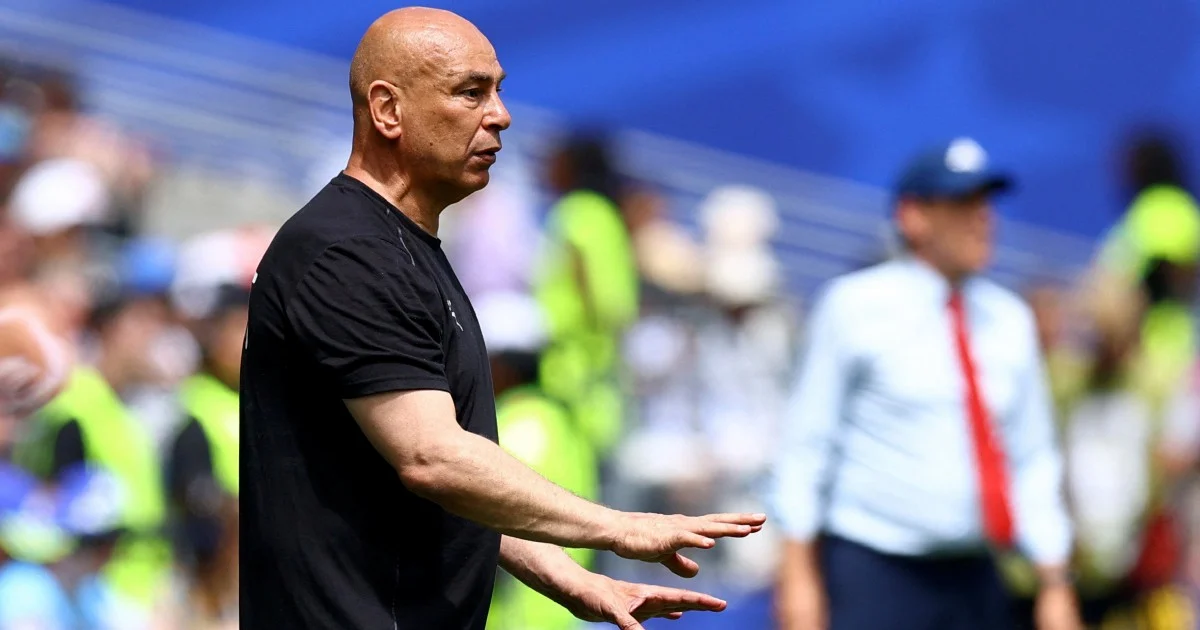
Egypt's head coach Hossam Hassan has moved quickly to quell mounting speculation about potential tensions within the squad centring on star forward Mohamed Salah, reassuring stakeholders that internal cohesion remains unshaken as the North African nation pursues what would represent an unprecedented World Cup triumph. Speaking ahead of Sunday's Group G fixture against New Zealand at BC Place in Vancouver, Hassan flatly rejected insinuations of discord, characterising the squad environment as unified and focused on the task ahead.
The timing of Hassan's comments comes as Egypt embarks on what many observers view as a genuine opportunity to achieve something the country has never accomplished in the tournament's storied history. The North Africans have occasionally come close to winning the World Cup but have never managed to clinch the trophy despite periodic strong performances on the global stage. This campaign presents a tangible chance to rewrite that narrative, making the squad's mental fortitude and internal relationships absolutely crucial to their prospects.
Mohamed Salah, widely regarded as one of the world's elite attacking talents and the face of Egyptian football, has been the subject of various rumours and speculation in recent weeks. As the Liverpool forward commands attention wherever he plays, questions about his morale, fitness, or relationship with the coaching staff inevitably attract scrutiny from international media outlets and footballing commentators. Hassan's proactive denial of such claims represents a managerial attempt to shield the squad from external distractions at a critical juncture in their tournament.
The journey to this point has required significant preparation and squad building. Hassan has invested considerable time in assembling a competitive eleven capable of competing at the highest level against established footballing nations. Maintaining group harmony and ensuring players operate with singular purpose toward the team's objectives becomes exponentially more important during knockout-style tournament football, where single matches determine advancement or elimination.
Group G presents a moderately competitive scenario for Egypt. Facing New Zealand, a team that has qualified for the World Cup despite geographical isolation and limited resources compared to established footballing powers, represents an opportunity rather than a formidable obstacle. However, Hassan's emphatic reassurances about internal conditions suggest the coaching staff understands that psychological confidence and squad unity often prove decisive in tournament football, where marginal differences between competing teams become magnified.
The denial of Salah-related tensions also carries broader significance for Egyptian football's global standing. As the nation with by far the most World Cup appearances among African countries, Egypt has built a considerable tradition and carries weight of expectation. Any narrative suggesting division or discord could undermine confidence not merely within the squad but among supporters and national stakeholders who have invested considerable hope in this campaign.
Hassan's managerial approach reflects contemporary sports psychology principles emphasizing the importance of external narrative management. By directly addressing and dismissing unsubstantiated claims about Salah and squad relations, he signals decisiveness and control to both his players and the watching world. Such clarity can prove valuable in preventing speculation from festering and potentially becoming self-fulfilling prophecies that genuinely damage team cohesion.
The strategic dimension also warrants consideration. Group G includes other formidable contestants that Egypt will encounter following Sunday's engagement with New Zealand. Managing the narrative during these early stages positions the team favourably for subsequent matches where maintaining psychological momentum becomes increasingly valuable. Hassan's proactive stance against reports of internal strife effectively removes a potential distraction that could gain traction during periods of vulnerability or underperformance.
For Malaysian observers and Southeast Asian footballing communities, Egypt's pursuit of World Cup glory represents a compelling narrative about ambition, determination, and the possibilities available to emerging footballing nations. While Southeast Asian teams have not yet breached the World Cup's upper echelon, Egypt's current trajectory offers instructive lessons about squad building, tactical development, and the mental resilience required to compete consistently at the highest level. Hassan's management of the Salah situation exemplifies how contemporary coaches navigate the intersection between strategic competition and media relations in professional football.
The New Zealand encounter ultimately serves as Egypt's springboard within the tournament structure. Victory would substantially enhance qualification prospects and provide psychological validation for Hassan's squad building and tactical philosophy. Should the North Africans prevail and subsequently navigate remaining Group G commitments successfully, their historical World Cup aspirations move from theoretical possibility toward tangible reality, making Sunday's match perhaps the most consequential engagement in Egyptian football for a generation.

