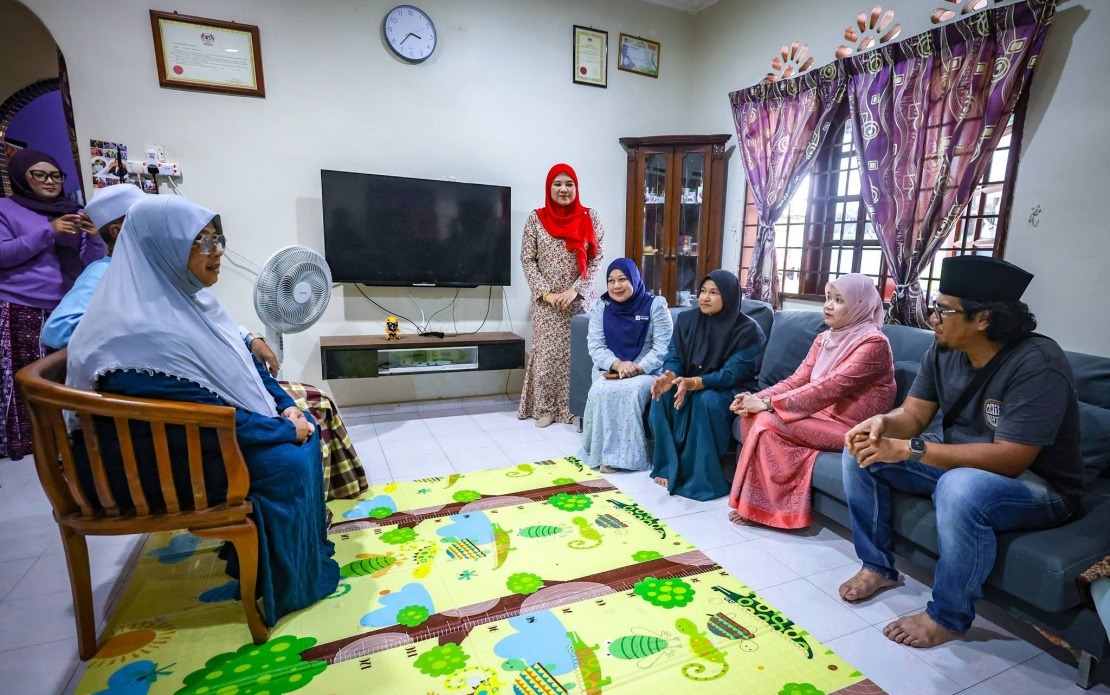
Education Minister Fadhlina Sidek made a compassionate visit to the family of Muhammad Raiyan Nufael, a Form Two student whose sudden death during rugby training has sent shockwaves through the education community. The tragic incident occurred at a school in Telok Mas, Melaka, on Wednesday evening, when the 14-year-old collapsed after experiencing breathing difficulties during what should have been a routine athletic activity. The minister's visit, undertaken on behalf of the Ministry of Education (MOE) and its personnel, underscores the gravity of the situation and the government's commitment to supporting bereaved families during times of profound loss.
The circumstances surrounding the teenager's death paint a particularly distressing picture of what unfolded during the training session. According to reports, Muhammad Raiyan had participated in the rugby activity for only approximately 15 minutes before the incident occurred. The young athlete was not actively engaged in physical exertion when disaster struck; rather, he was listening to instructional remarks from the coach during a scheduled break when he suddenly experienced acute shortness of breath. The collapse happened at around 6 pm on Wednesday, with the student pronounced dead shortly thereafter, marking a devastating loss for his family, school, and the broader Malaysian education system.
Fadhlina Sidek's public acknowledgment of the tragedy through a Facebook post demonstrates the ministerial office's recognition of the emotional toll such incidents inflict on families and educational institutions. Her message carried both sympathy and spiritual comfort, stating: "May the soul of the late Muhammad Raiyan be placed among the righteous, and may his family be granted strength and patience in facing this test." This sentiment reflects the cultural and religious values held by many Malaysian families during periods of grief, offering not merely official condolences but also hope for spiritual peace during an unimaginable time.
The incident raises critical questions about student safety during extracurricular activities, a concern that resonates throughout Malaysia's education sector. While rugby and other contact sports are recognised as valuable components of holistic education, developing physical fitness, teamwork, and discipline among young people, they also carry inherent risks that schools must carefully manage. The speed with which Muhammad Raiyan's condition deteriorated—collapsing within minutes of initial symptom onset—suggests the possibility of an underlying medical condition that may have gone undetected or undiagnosed prior to the training session.
Understanding the potential medical factors at play becomes essential for the broader education community. Sudden cardiac incidents, heat-related complications, or unidentified health vulnerabilities can manifest without warning in young athletes, even during relatively low-intensity phases of training. The fact that the student was merely listening to the coach's instructions rather than actively exerting himself during the moment of collapse indicates that the risk may not have been directly related to the physical demands of the sport itself. This distinction is crucial for schools and parents contemplating how to prevent similar tragedies in the future.
The Ministry of Education's immediate response through the minister's personal engagement suggests that a comprehensive review of school safety protocols, medical screening procedures, and emergency response capabilities is likely underway. Malaysian schools, particularly those in urban and semi-urban areas like Telok Mas in Melaka, typically maintain basic medical facilities and trained personnel, yet the effectiveness of these resources depends heavily on proper training, timely response, and the availability of critical equipment such as automated external defibrillators. The incident may prompt the ministry to reassess guidelines governing athletic activities and ensure that all schools have adequate medical personnel present during training sessions.
For Malaysian parents and guardians, this tragedy serves as a sobering reminder of the importance of maintaining updated medical records for their children and communicating any health concerns or family history of cardiac conditions to school authorities. Many parents may not realise that relatively common conditions such as arrhythmias or other heart abnormalities can remain asymptomatic until physical exertion or stress triggers a critical episode. Schools should be equipped not only with the physical infrastructure to respond to medical emergencies but also with comprehensive health information about participating students.
The ripple effects of such incidents extend beyond the immediate family to encompass the school community, fellow students, coaching staff, and peers who may have witnessed the collapse. Educational institutions must provide counselling and psychological support to those affected, as witnessing the sudden death of a classmate can create lasting trauma. The coaching staff member who was leading the training session may themselves require support in processing what occurred, as such incidents can generate profound guilt regardless of the actual circumstances or absence of preventable factors.
Moving forward, this tragedy may catalyse important conversations within Malaysian education circles about the balance between encouraging active participation in sports and implementing rigorous safety standards. The ministry, working in conjunction with medical professionals, sports organisations, and school administrators, should consider developing enhanced guidelines for pre-participation medical clearance, mandatory training for school personnel in recognising signs of medical distress, and protocols ensuring that emergency medical services can be summoned and mobilised within minutes. The death of Muhammad Raiyan Nufael must not be rendered meaningless but rather become a catalyst for systemic improvements that protect the wellbeing of all young athletes in Malaysian schools.

