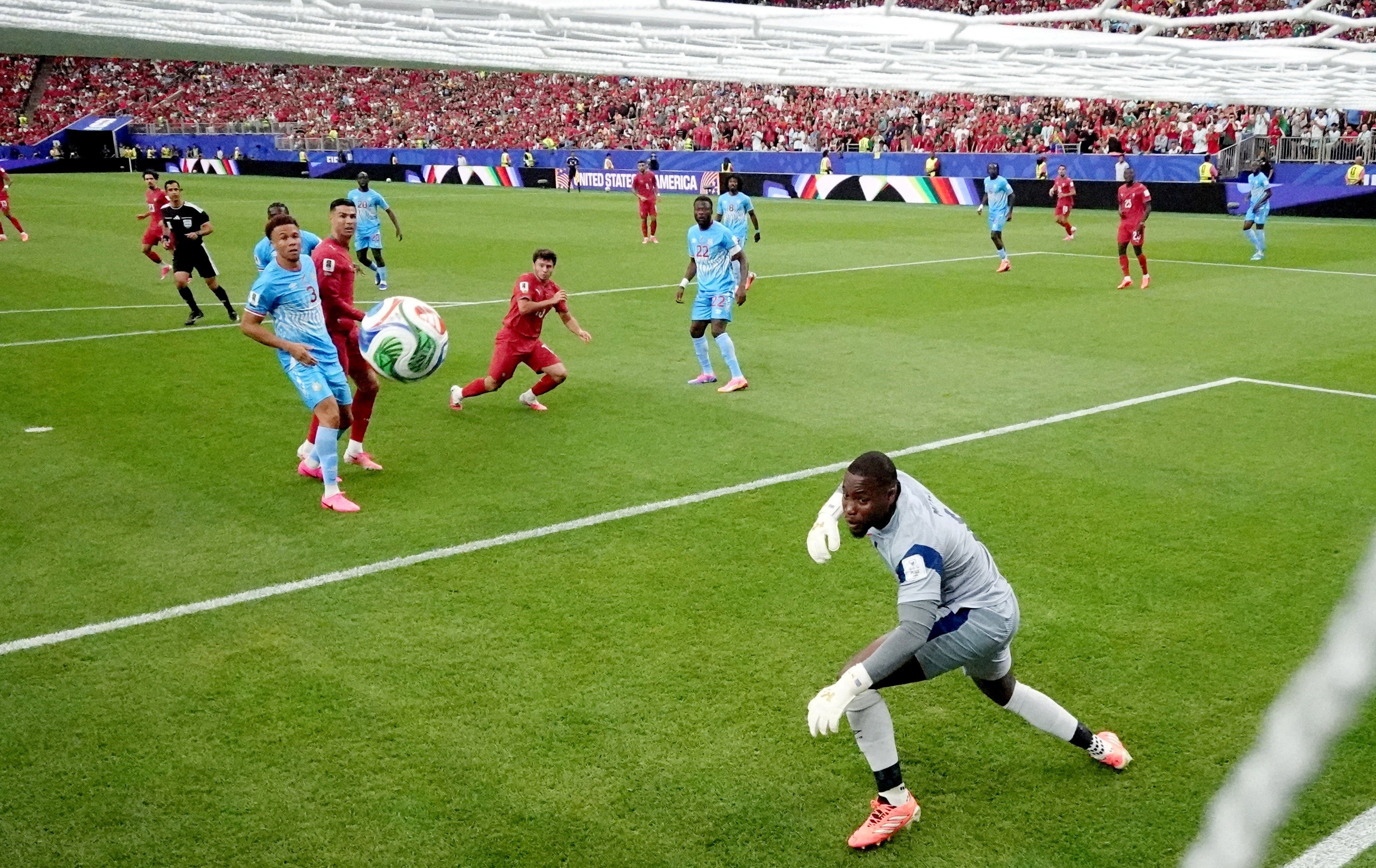
The Democratic Republic of the Congo achieved what few expected when they held Portugal to a 1-1 draw on Wednesday in their opening Group K fixture at Houston Stadium during the 2026 FIFA World Cup. The result represents a watershed moment for Congolese football, not only delivering a point on the global stage but symbolising the country's rise as a competitive force in international competition. For Portugal, the outcome delivered a sobering reminder that even experienced squads cannot take victory for granted against motivated opposition, especially in a tournament format where group-stage points are desperately contested.
Portugal began their campaign as clear group favourites, and their early dominance suggested they would cruise to an opening victory. Joao Neves opened the scoring in the sixth minute with a well-executed header, converting from a pinpoint cross delivered by Pedro Neto from the left wing. The goal exemplified Portugal's technical superiority in the opening exchanges, as they controlled possession and dictated the rhythm of play. The Portuguese team's pedigree, bolstered by the presence of veteran Cristiano Ronaldo, appeared to be telling in the opening stages, with their attacking intent creating numerous opportunities to extend their advantage.
However, Portugal's inability to capitalise on their possession proved costly. Despite dominating territory and passing, Fernando Santos' side struggled to construct genuinely dangerous chances beyond their opening goal. The Portuguese attack, while fluid at times, lacked the clinical finishing required to break down Congo's defensive structure. This profligacy in front of goal would prove decisive, as wavering concentration and defensive lapses provided the openings their opponents needed.
Congo's equaliser came at precisely the moment when Portugal seemed to be relaxing into their lead. Yoane Wissa's header in the 45th minute, finishing above goalkeeper Diogo Costa just as the first half reached its conclusion, electrified both the stadium and Congo's supporters worldwide. The goal carried immense significance beyond the three points or improved goal differential—it represented Congo's first World Cup goal since their maiden tournament appearance in 1974, when the nation competed under the name Zaire. Fifty-two years of World Cup absence, combined with the failures of intervening qualification campaigns, made this moment particularly poignant for African football and the Congolese nation.
The second half unfolded as a more balanced encounter, with both teams seeking the breakthrough that would separate them. Neither side managed to establish clear dominance, though Portugal maintained their slight edge in possession. Ronaldo, who had laboured somewhat in the first period, was expected by observers to unlock a decisive moment or orchestrate a winning goal through his experience and quality. The Portuguese forward's involvement remained central to his team's attacking ambitions, yet Congo's disciplined defensive shape limited the space and opportunities available to him and his teammates.
Despite Portugal's sustained efforts to find a second goal, Congo defended with growing confidence as the match progressed. The African side's resolve appeared to strengthen with each passing minute, buoyed by the significance of their equaliser and the momentum it provided. Their defensive compactness and willingness to absorb pressure without capitulating demonstrated the tactical maturity required to earn a result against a higher-ranked opponent. By full-time, the draw represented vindication of their approach and resilience.
The final whistle brought contrasting emotions to the two camps. Portugal's players and coaching staff appeared visibly frustrated at failing to convert their dominance into three points, with the realisation that the expected advantage in Group K had not materialised as anticipated. Ronaldo's shell-shocked demeanour reflected the disappointment of a seasoned competitor accustomed to more favourable outcomes. In stark contrast, Congo's supporters erupted in celebration, recognising the historic nature of securing their first World Cup point and scoring their first goal in the tournament's modern era.
From a competitive standpoint, the result immediately altered the Group K landscape. Congo's point elevated them to first place in the standings following this opening round of fixtures, a position that few analysts would have predicted before the tournament. Portugal, despite their performance, found themselves in second place, facing the prospect of needing to earn maximum points in their remaining group matches to ensure qualification. The implications for both nations' tournament trajectories remain significant, as group position often determines knockout-stage opponents and overall momentum heading into the later rounds.
For Southeast Asian observers and Malaysian football enthusiasts, Congo's performance offers valuable lessons about competitive balance at the highest level. The result underscores how tournament football can produce unexpected outcomes when preparation, defensive discipline, and psychological determination combine effectively. The draw also highlights the growing capability of African nations to compete with established European powers, a trend that has become increasingly pronounced in recent World Cup cycles. Malaysian football, perpetually striving to develop competitive structures and talent development systems, can draw insights from how Congo approached this encounter—with organisation, tactical clarity, and refusal to be intimidated by their opponent's reputation.
The match also demonstrated the significance of individual moments in tournament football. Wissa's expertly-timed header, arriving when concentration might have lapsed, proved the difference between a deflating loss and a historic achievement. Such moments often define a team's World Cup trajectory, determining whether they progress from the group stage or face early elimination. Congo's success in converting their equalising opportunity, following weeks of preparation and belief in their capability, reflects the investment their federation has made in developing a competitive squad capable of competing on the global stage.
Looking forward, both nations face critical subsequent matches that will determine their progression chances. Portugal must recalibrate their approach, recognising that complacency against any opponent carries risks, while Congo will seek to build upon this emotional and competitive victory. The draw serves as a reminder that the 2026 World Cup, contested across North America with expanded participation, promises to deliver compelling narratives and surprise results throughout the tournament. For Congo, Wednesday's performance marked a turning point, transforming a nation's relationship with the World Cup from spectators hoping for competitive moments into genuine contenders seeking to advance further than ever before.

