Malaysia's fire service has sounded a stark warning about the dangers of careless charging habits after documenting nearly RM14.2 million in property losses from 59 residential fires sparked by unsafe device charging practices between 2023 and 2025. The data, compiled by the Department of Fire and Rescue Malaysia (JBPM), underscores a growing hazard that increasingly underpins domestic fire incidents across the country, even as public awareness remains inadequate.
The geographic distribution of these incidents reveals a troubling concentration in certain states. Sarawak leads the grim statistics with approximately RM9.7 million in damages stemming from just 11 cases, indicating that fires in the eastern state tend to involve larger losses per incident. Kelantan follows with RM1.14 million across 17 separate blazes, while Sabah recorded three incidents resulting in RM806,800 in destruction. The remaining losses are scattered across Selangor, Penang, Johor, Putrajaya, Melaka, Terengganu and Perak, with smaller but still significant financial tolls. Notably, six states—Kedah, Negri Sembilan, Pahang, Perlis, Kuala Lumpur and Labuan—reported no recorded incidents during this period, though this may reflect underreporting rather than genuine absence of such hazards.
What makes these figures particularly concerning is that they come without any fatalities, suggesting the fires have been detected and managed before loss of life occurred. However, the JBPM cautions against measuring fire risk purely through the lens of monetary damage or size. Each incident presents distinct investigative challenges that demand rigorous technical analysis and meticulous evidence examination. The department notes that fires involving extensive damage to physical evidence, complex device types, or hazardous scene conditions require far more intensive investigation protocols than straightforward cases might suggest.
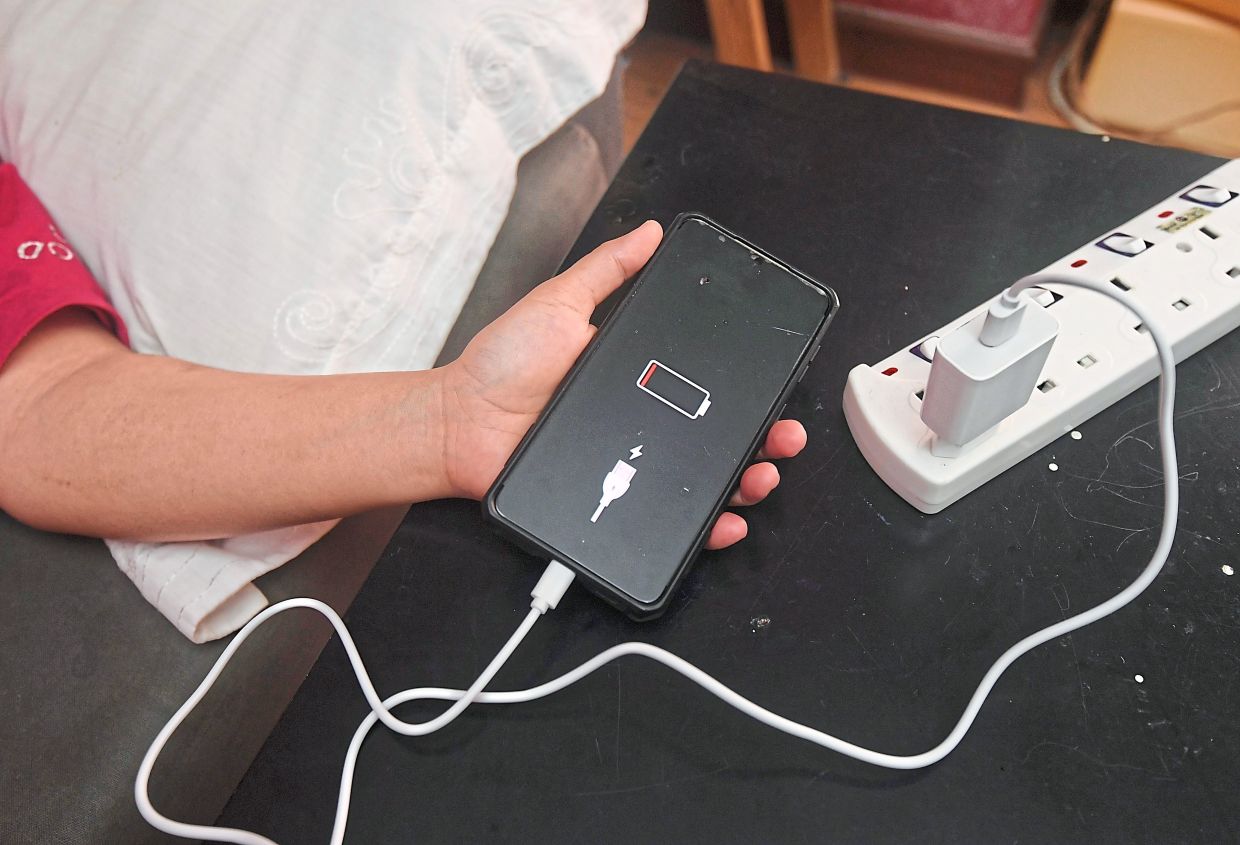
The most problematic charging behaviours identified by JBPM investigators paint a picture of widespread negligence. Overnight charging without supervision remains alarmingly common, as does reliance on uncertified chargers and counterfeit cables that fail to meet safety standards. Many Malaysians continue placing charging devices on soft furnishings—mattresses, pillows, sofas and blankets—where heat cannot dissipate properly and combustible materials remain dangerously proximate. Similarly hazardous are overloaded power strips servicing multiple devices simultaneously, a practice that concentrates electrical stress and increases short-circuit risk.
The department has also identified telltale warning signs that device owners frequently ignore. Swollen batteries, visible overheating, burning odours, frayed or damaged cables, and deteriorating sockets all precede dangerous electrical failures, yet many users continue employing compromised equipment rather than replacing it. This persistence reflects a troubling cost-benefit calculus whereby consumers prioritise immediate savings over fire safety, accepting the hidden risk that comes with cheap, non-certified electrical accessories.
Underlying this behaviour is a systemic problem of inadequate public consciousness regarding device charging hazards. The JBPM's assessment indicates that safety education campaigns have not penetrated deeply enough into Malaysian households. A significant portion of the population remains unaware of, or indifferent to, the fire risks posed by their charging habits. This knowledge gap is particularly acute among price-conscious consumers who view certified, safety-approved equipment as an unnecessary premium rather than an essential safeguard.
The financial losses documented by JBPM represent only the most tangible consequences. Beyond property destruction, these fires divert emergency resources, disrupt families' lives, and create genuine trauma for those affected. The concentration of damage in Sarawak suggests that larger, more destructive blazes may be developing differently in eastern Malaysia compared to peninsular states, potentially reflecting variations in building construction, electrical infrastructure quality, or population density patterns that warrant separate investigation.
The department has responded by recommending several practical measures for households. Avoiding soft surfaces for device charging, promptly replacing damaged sockets and cables, and discontinuing use of visibly compromised devices represent straightforward interventions. More fundamentally, the JBPM urges consumers to prioritise purchasing only charging equipment bearing SIRIM certification or equivalent valid safety approvals. SIRIM Mark certification, Malaysia's national standards body seal, indicates that products have undergone rigorous testing and meet safety specifications designed to prevent overheating and short circuits.
JBPM has committed to expanding fire safety education initiatives, intensifying preventive outreach programs, and deepening cooperation with relevant agencies to build greater public consciousness around safe charging practices. This multi-pronged approach recognises that regulatory action and educational efforts must work in tandem to reduce incident rates. The department's call for strategic cooperation suggests potential collaboration with consumer protection authorities, electrical safety agencies, and retailers to improve market compliance and consumer guidance.
For Malaysian households, the statistics and warnings carry an urgent message: the devices we charge daily pose genuine fire hazards if fundamental safety principles are ignored. The RM14.2 million already lost provides hard evidence that this is not theoretical risk but documented reality affecting Malaysians across multiple states. With mobile phones, tablets, power banks and laptops now essential to daily life, establishing safe charging routines—particularly avoiding overnight charging, replacing damaged equipment immediately, and purchasing certified products—represents a low-cost, high-impact protection strategy that every household should implement without delay.