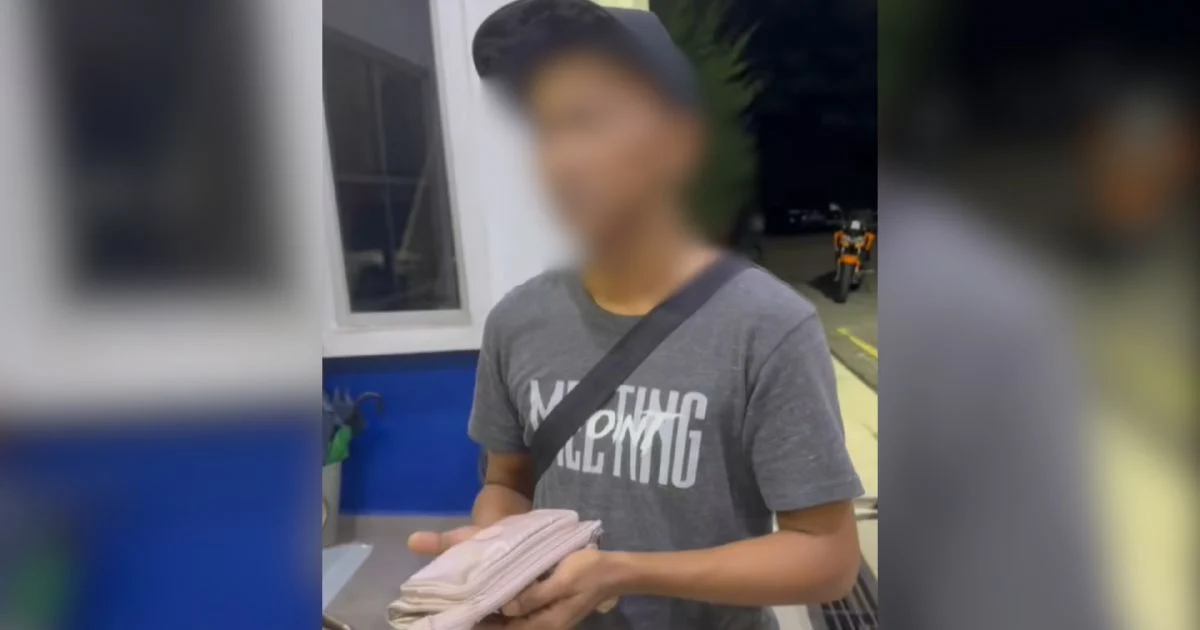
A 37-year-old delivery worker has been detained by authorities in Kajang on suspicion of appropriating RM10,000 from a wallet that was left behind at a supermarket in Semenyih. The incident highlights an ongoing challenge for both retailers and the public regarding the security of personal belongings in commercial spaces, particularly when found items are handed over to individuals without proper documentation or accountability measures.
The circumstances of the discovery remain significant in understanding how such thefts occur in modern retail environments. When a customer or staff member locates a lost wallet in a supermarket, the typical procedure involves handing it to management or a customer service desk for safekeeping until the owner can be identified and contacted. However, in this case, the wallet apparently came into the possession of the delivery rider, presenting an opportunity for misappropriation that proved too tempting to resist.
Theft cases involving found items present unique investigative challenges for police, as establishing a clear chain of custody and determining intent becomes crucial. Authorities must prove not only that the accused individual took the money, but also that this action was deliberate rather than a case of genuine mistake or innocent handling. The amount involved—RM10,000—suggests this was no trivial sum, likely belonging to a businessperson or significant household holder.
The arrest adds to a growing list of incidents involving service industry workers accused of opportunistic theft. Delivery riders, though essential to the modern economy and generally hardworking, operate in an environment where they frequently enter different establishments and encounter various situations. The profession's relatively low barriers to entry and variable income mean some individuals may face greater financial pressures, potentially influencing their decision-making in moments of temptation.
For the supermarket involved, this incident raises questions about internal loss prevention procedures and how found items are managed. Clear protocols should exist regarding discovered wallets and personal effects, including witness verification, immediate reporting, and secure storage. Supermarkets across Malaysia and Southeast Asia increasingly rely on CCTV surveillance, which likely played a role in identifying the suspect in this case. Security camera footage can establish exactly when and how the wallet entered the delivery rider's possession.
The case reflects broader concerns about trust and ethics in the gig economy and service sectors. Customers visiting shopping malls and retail outlets naturally expect staff and service providers to maintain basic honesty standards. When delivery riders or other workers betray that trust, it erodes confidence not just in individuals but potentially in the professions they represent. This carries particular weight in Malaysia, where service sector reputation directly impacts consumer behaviour and business operations.
Police investigations into such matters typically involve interviewing all relevant witnesses, including supermarket staff who may have observed the discovery, the wallet's owner who can verify the cash amount, and the accused individual. Forensic evidence may include CCTV footage, transaction records if the rider used any payment method that day, and possibly fingerprint analysis on the wallet itself, depending on whether such examinations are deemed necessary given the evidence available.
The RM10,000 amount is substantial enough to potentially warrant charges under the Penal Code provisions relating to theft or criminal breach of trust, depending on the exact circumstances and the legal interpretation by prosecutors. Such amounts can distinguish cases as more serious offences deserving formal charges rather than simple warnings or rehabilitation programmes. The accused rider's employment status and any prior criminal record would also influence how the case proceeds through Malaysia's justice system.
From a broader perspective, this arrest underscores why both retailers and the public must remain vigilant about lost and found items. Supermarkets should consider implementing structured lost and found departments with proper documentation and contact procedures. Customers, meanwhile, should be more cautious about leaving wallets and valuable items unattended, using secure payment methods like cards or digital wallets when possible to minimise cash exposure. Such practical measures can prevent situations where opportunity and temptation intersect.
The incident also highlights the importance of community standards and professional accountability across the service industry. Delivery platforms and employers share responsibility for promoting ethical behaviour among their workers through training, clear consequences for misconduct, and creating work environments where individuals feel they need not resort to theft. Industry associations and regulatory bodies in Malaysia might consider developing guidelines for how service workers should handle found property as part of broader professionalism standards.

