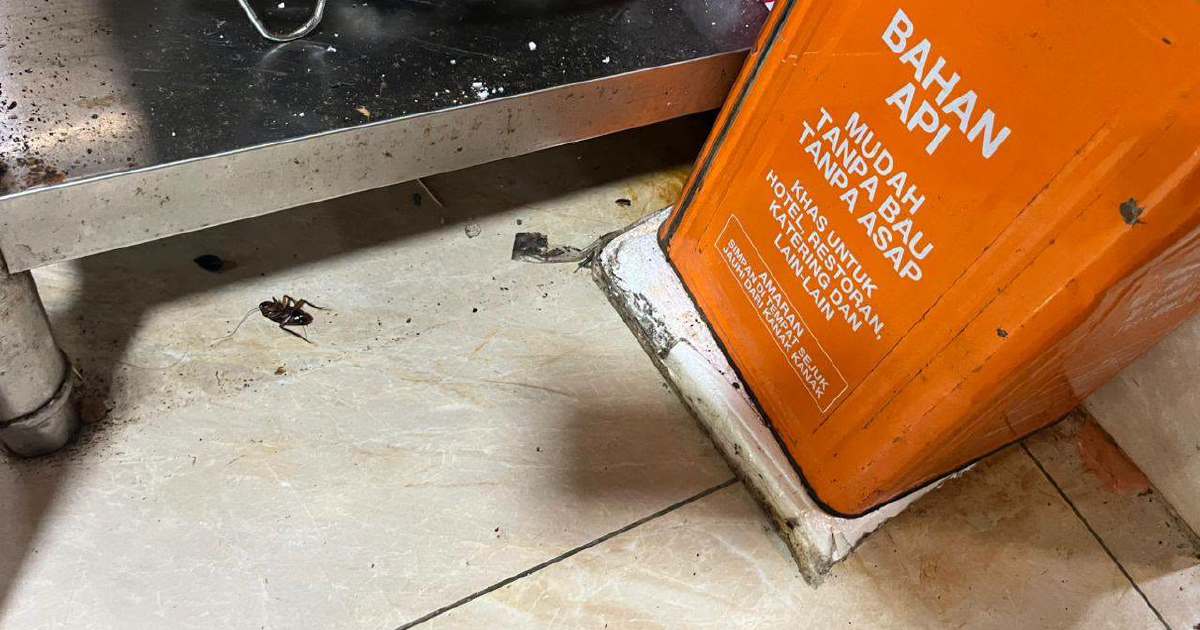
Kuala Lumpur City Hall (DBKL) has launched a major crackdown on food safety standards at the popular Jalan Alor dining destination in Bukit Bintang, the city's bustling commercial and entertainment heart. During a targeted enforcement operation conducted yesterday, DBKL officials issued 74 notices and compounds against food premises found to be operating below acceptable hygiene standards. The scale of the operation underscores growing concerns about sanitation practices at the tourist-heavy street, which draws both locals and international visitors seeking authentic Malaysian street food experiences.
The enforcement action resulted in the immediate closure of six food establishments operating along Jalan Alor, a street synonymous with late-night dining and culinary variety. Inspectors documented serious violations including infestation by cockroaches and rodents—persistent problems in congested commercial kitchens where multiple operators share tight spaces and drainage systems. Such findings represent fundamental breaches of food safety protocols that pose direct health risks to consumers and damage the reputation of the food business community operating in the area.
The decision to conduct a special operation targeting Jalan Alor reflects DBKL's heightened focus on enforcement within high-traffic food zones. The street's appeal to both domestic and international tourists makes it a sensitive location from a public health perspective; any significant outbreak of foodborne illness would generate immediate negative publicity extending far beyond Kuala Lumpur. By concentrating resources on this single location, DBKL appears to be taking a strategic approach to maintaining the city's food safety credentials during peak tourist seasons.
Pest infestations in food establishments are notoriously difficult to eliminate entirely, particularly in older commercial areas where buildings are constructed closely together and share common infrastructure. The presence of both cockroaches and rats suggests systemic issues rather than isolated lapses—likely pointing to inadequate pest control protocols, poor storage practices, and potentially deficient waste management systems. Addressing these problems often requires coordinated action between individual business operators and building owners, as infestations can migrate between adjoining premises.
For restaurant operators at Jalan Alor, the enforcement action carries serious business implications. Beyond the immediate disruption caused by closures, establishments receiving notices face the burden of remediation costs and reputational damage in an increasingly competitive food service market. Social media amplifies the impact of such enforcement actions, with diners quick to share information about health violations and closures through online platforms. The six shuttered eateries must now meet specific corrective measures before being permitted to resume operations, a process that requires both financial investment and time.
The notice-and-compound system employed by DBKL serves as both a punitive and corrective mechanism. Premises that correct identified violations within specified timeframes can typically resume operations, though repeat offenders face escalating penalties and potential longer-term closures. This graduated enforcement approach acknowledges that some violations may stem from resource constraints or knowledge gaps rather than willful negligence, though serious infestations suggest systemic failure in management.
The operation also highlights the ongoing challenge of maintaining consistent hygiene standards across diverse food businesses in Malaysia's major urban centers. Street food environments like Jalan Alor operate in a competitive landscape where margins are tight and operators may cut corners on sanitation investments. However, the reputational and public health stakes are substantial, particularly given Malaysia's aspirations to position itself as a regional food tourism destination. A major foodborne illness outbreak linked to informal dining areas could significantly impact the tourism sector.
DBKL's enforcement activity sends a clear message that the municipality is prepared to take decisive action against establishments that endanger public health. The visible presence of regulatory oversight, communicated through both the operation itself and public awareness of the results, can encourage voluntary compliance among other operators. Many business owners may respond to this enforcement action by proactively reviewing their own sanitation practices and pest management protocols.
The findings at Jalan Alor are unlikely to be anomalies isolated to that single location. Similar enforcement operations in other busy food zones across Kuala Lumpur and other Malaysian cities would likely uncover comparable violations. This suggests the need for broader systemic improvements in how food businesses are supported—through accessible training programs, affordable pest management services, and technical guidance on best practices. Enforcement alone, while necessary, may need to be complemented by positive incentives and support mechanisms to achieve lasting improvement.
Moving forward, the closure of six establishments and issuance of 74 notices will serve as a marker for Jalan Alor's ongoing transformation. Business associations representing operators at the street may use this incident as an opportunity to organize collective action on shared infrastructure problems, such as coordinated pest control or improved waste management systems. DBKL, for its part, will likely maintain heightened oversight of the location, with follow-up inspections to verify that corrective measures have been implemented and sustained.

