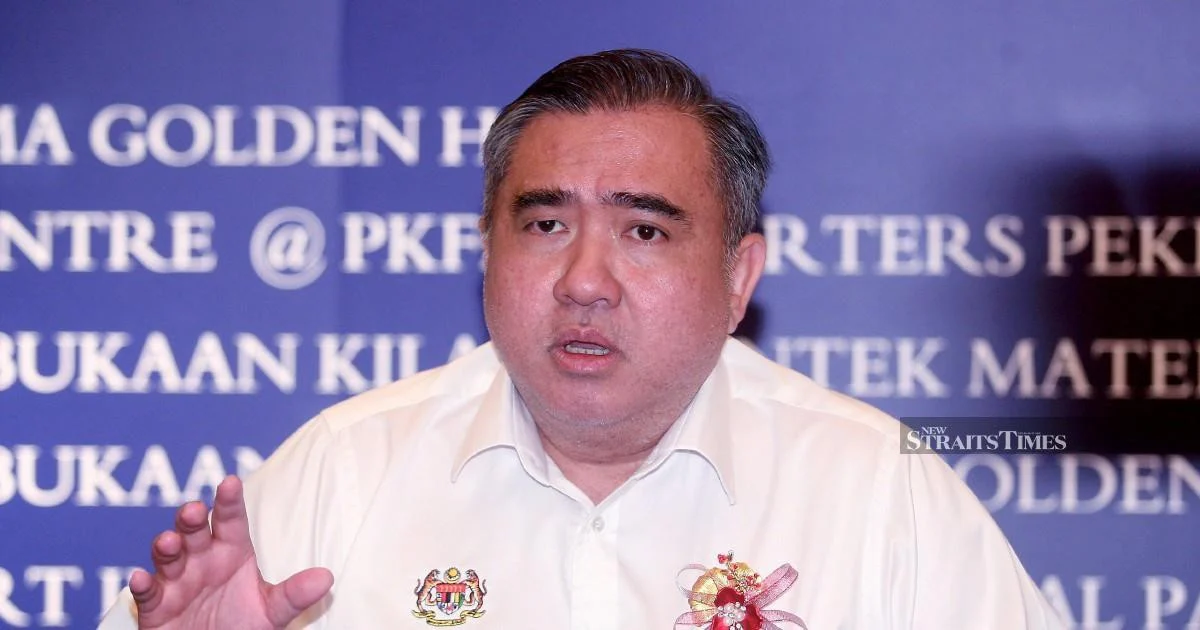
The Democratic Action Party is preparing to roll out its full complement of candidates for the imminent Johor state legislative assembly election, with the formal unveiling scheduled to take place in Kluang this evening. The announcement represents a milestone moment for the party as it transitions from internal deliberations and selection processes into an active campaign phase, signalling its readiness to contest the election across multiple constituencies throughout the southern state.
The timing of the candidate announcement in Kluang, a district in Johor with historical significance to DAP's electoral campaigns, underscores the party's strategic focus on consolidating its presence in key areas. The location choice typically reflects where the party holds organisational strength or seeks to project its political reach, sending signals to both supporters and rival parties about priorities and electoral competitiveness in specific regions.
DAP's candidate selection process for Johor represents the culmination of weeks of internal consultations, interviews, and political positioning among party divisions at state and local levels. The process involves balancing several competing considerations: rewarding incumbent assemblymen who have performed well, introducing fresh faces to appeal to new voters, ensuring adequate representation of women candidates to meet contemporary political expectations, and strategically placing candidates in competitive versus safer seats based on electoral mathematics and demographic analysis.
For Malaysian observers, DAP's Johor campaign carries broader implications for the nation's political trajectory. Johor, as the country's second-most populous state and a traditional stronghold for the ruling Barisan Nasional coalition, has become increasingly contested terrain in recent election cycles. Any gains or losses by DAP in Johor reverberate through national political calculations and influence perceptions of which coalitions are gaining or losing momentum heading into future general elections.
The Democratic Action Party's performance in Johor also reflects the health of Opposition Unity efforts more broadly. DAP typically campaigns as part of the Pakatan Harapan coalition, and the composition and quality of its candidate slate signals the level of commitment and resources dedicated to challenging incumbent parties. Strong, credible candidates in winnable seats demonstrate genuine competitive intent, while candidate selections that appear opportunistic or weakly vetted can undermine coalition messaging and voter confidence.
Candidate announcements in Malaysian state elections typically generate considerable discussion around generational representation within political parties. Voters increasingly scrutinise whether parties are promoting younger candidates capable of representing contemporary concerns—cost of living, employment, education, healthcare—or cycling through the same veteran politicians. DAP's selections will be analysed for these demographic and generational dimensions, particularly whether the party has managed to blood new talent whilst retaining experienced hands.
The unveiling of candidates also sets the stage for intensive campaigning across Johor's constituencies. Once candidates are formally announced, they begin community engagement, grassroots organising, and candidate-specific campaigning. The quality of candidates can substantially influence campaign momentum and voter turnout, as respected, energetic, and accessible candidates typically drive higher levels of participation and volunteer activity than those perceived as parachuted in or disconnected from local concerns.
For Johor voters, the formal announcement of DAP's full candidate slate provides an opportunity to assess the party's vision for state governance. By examining the candidates' profiles—their professional backgrounds, community involvement, policy expertise, and track records—voters can form judgements about what a DAP-led or DAP-influenced state government might prioritise. This assessment is particularly important in Johor, where economic development, manufacturing sector support, and transport infrastructure are perennial election issues.
The announcement also matters for DAP's internal party cohesion and morale. Public unveiling of candidates represents a moment when the party leadership validates its selection process and demonstrates confidence in the individuals chosen to represent it. This reassures party members, volunteers, and supporters that rigorous, fair processes have occurred and that the best-suited candidates have been selected, even if not every aspirant received a party ticket.
Regionally, DAP's Johor campaign is watched closely by other Southeast Asian opposition movements navigating democracies of varying health and maturity. Malaysia's multiparty competitive system, despite recent polarisation, still permits meaningful opposition campaigns and candidate announcements. The mechanics of how DAP organises its campaign—from candidate selection through public unveiling to on-ground activism—offers lessons for regional parties navigating similar electoral landscapes.
Looking ahead, the formal announcement marks a transition from behind-the-scenes organisation into the visible, public phase of electoral competition. Media coverage, voter attention, and political intensity typically escalate following such announcements, as parties activate campaign machinery and candidates begin introductions to voters. The quality of DAP's candidate slate, the messaging attached to individual candidates, and the party's ability to execute cohesive campaigning across diverse constituencies will substantially influence the election outcome and DAP's political standing in Johor for the next legislative term.

