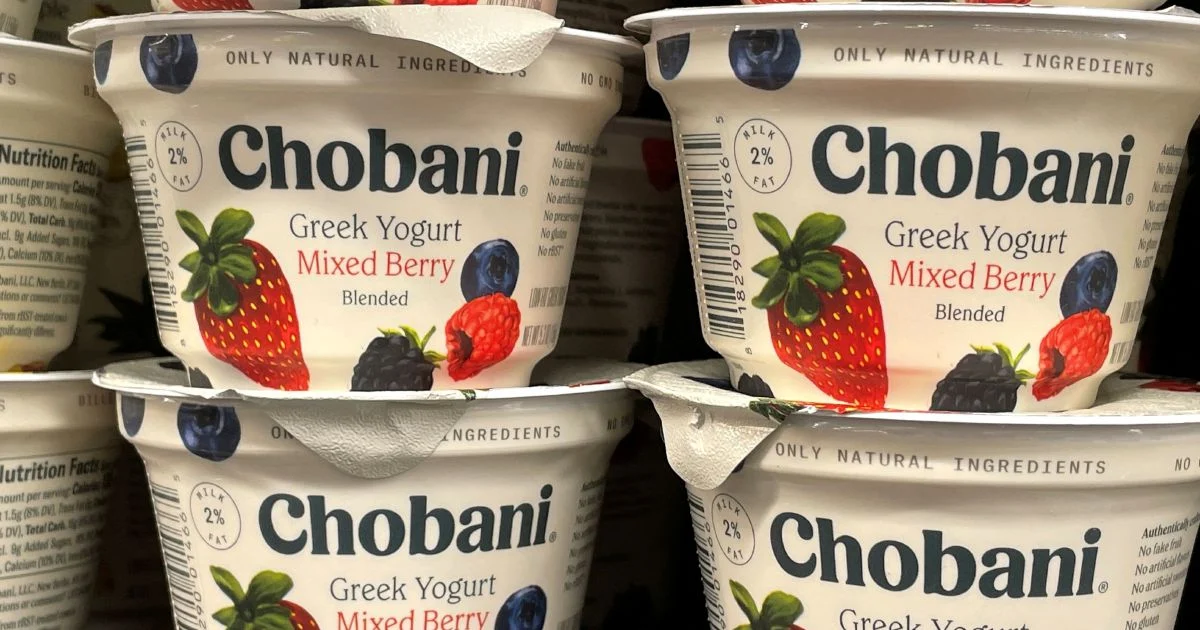
Danone, the French multinational dairy conglomerate, has initiated legal proceedings against American yoghurt producer Chobani, challenging the accuracy of protein claims made on its product packaging. The lawsuit represents far more than a routine trademark dispute or labelling technicality—it crystallises the escalating struggle among major food companies for market dominance in a segment that has emerged as one of the few bright spots within the broader food industry. The clash between these two heavyweight rivals underscores how profoundly the GLP-1 weight-loss medication revolution is reshaping consumer preferences and competitive dynamics across the food landscape.
Yoghurt occupies a peculiar position in modern nutrition discussions. Unlike many traditional food categories that have faced headwinds from changing dietary preferences or health consciousness, yoghurt has found renewed demand precisely because it aligns with the nutritional requirements of a fast-growing consumer demographic: individuals using glucagon-like peptide-1 agonists, commonly known as GLP-1 drugs. These medications—originally developed to treat type 2 diabetes but now increasingly prescribed for weight management—fundamentally alter how users approach food consumption. The appetite-suppressing effects mean smaller portion sizes, which creates a premium on nutrient-dense foods. High-protein yoghurt fits this profile perfectly, offering substantial protein content in modest servings.
The significance of Danone's legal action extends beyond the immediate commercial dispute with Chobani. It reveals how competitive pressure within the yoghurt category has intensified markedly. Danone, which maintains substantial market share through brands like Activia and plain yoghurt lines, perceives Chobani—known for its Greek yoghurt varieties and aggressive marketing around protein content—as a genuine competitive threat. The lawsuit effectively signals that Danone views protein claims as a critical battleground for consumer preference and market positioning. For companies that have built their brands around traditional yoghurt formats, the emergence of high-protein offerings as the growth driver represents both an opportunity and a threat.
The GLP-1 phenomenon creates a unique market dynamic that differs substantially from typical food category evolution. When semaglutide (Ozempic, Wegovy) and similar medications entered widespread use, they fundamentally altered consumption patterns. Users report that protein-rich foods become more satisfying during their medication regimen, and the preference often persists after discontinuation. This creates a durable consumer segment actively seeking and preferring high-protein products. Yoghurt manufacturers have capitalised on this trend aggressively, with marketing increasingly centred on protein content rather than probiotics or traditional health benefits that dominated advertising a decade ago.
For Southeast Asian food companies and retailers, the Danone-Chobani dispute carries important implications. The region's food industry has traditionally imported trends and competitive dynamics from Western markets with a lag, but the GLP-1 medication wave is spreading globally more rapidly than previous food trends. Malaysia, Singapore, and other regional economies are witnessing growing GLP-1 prescription rates among affluent consumers, particularly in urban centres. Local dairy producers and retailers monitoring Western market dynamics must anticipate similar competitive pressures emerging domestically. Brands that secure positioning as premium, high-protein yoghurt options early may establish market leadership before larger international players dominate the segment.
The protein claim controversy also highlights how regulatory and marketing standards around nutrition labelling have become competitive flashpoints. Different jurisdictions maintain varying standards for defining and advertising protein content, creating opportunities for competitive advantage or exposure to legal challenge depending on how claims are framed. The litigation between these two major corporations will likely establish important precedent regarding acceptable protein messaging in the yoghurt category, with implications rippling through the industry globally. Companies making health-related claims must ensure substantiation is bulletproof, particularly as regulatory scrutiny intensifies around GLP-1 related marketing.
Danone's aggressive legal posture suggests the company recognises its market position faces genuine erosion if competitor claims go unchallenged. The French dairy giant has faced years of pressure from consolidation, changing consumer preferences away from traditional sweetened yoghurts, and competition from both established brands and newer entrants. Chobani's rise, particularly through its Greek yoghurt positioning and premium pricing strategy, demonstrates that traditional incumbents cannot assume market stability. By contesting protein claims directly, Danone is protecting not merely current market share but also signalling to consumers and retailers that protein-centric positioning may not be as credible or differentiated as competitors suggest.
The broader context reveals how the food industry continues experiencing structural shifts driven by health consciousness and medication-enabled dietary preferences. Yoghurt's relative strength within the category landscape contrasts sharply with declining consumption in bread, pasta, and traditional carbohydrate-heavy categories. This repositioning creates investment and innovation opportunities for companies positioned in protein-rich segments. Manufacturers across the region should monitor how this Western competitive battle resolves, as similar dynamics will inevitably influence Southeast Asian market development as GLP-1 usage expands among middle and upper-income consumers seeking weight management solutions.
The lawsuit ultimately represents more than corporate litigation—it reflects fundamental transformation in how food companies must compete within categories historically defined by functional benefits or taste. Protein content, substantiated claims, and alignment with medication-driven dietary preferences have become core competitive factors. For Malaysian businesses in dairy and food manufacturing, this signals both warning and opportunity: the winners in emerging food categories will be those that accurately anticipate and credibly serve evolving consumer preferences while maintaining unassailable standards for health and nutritional claims.

