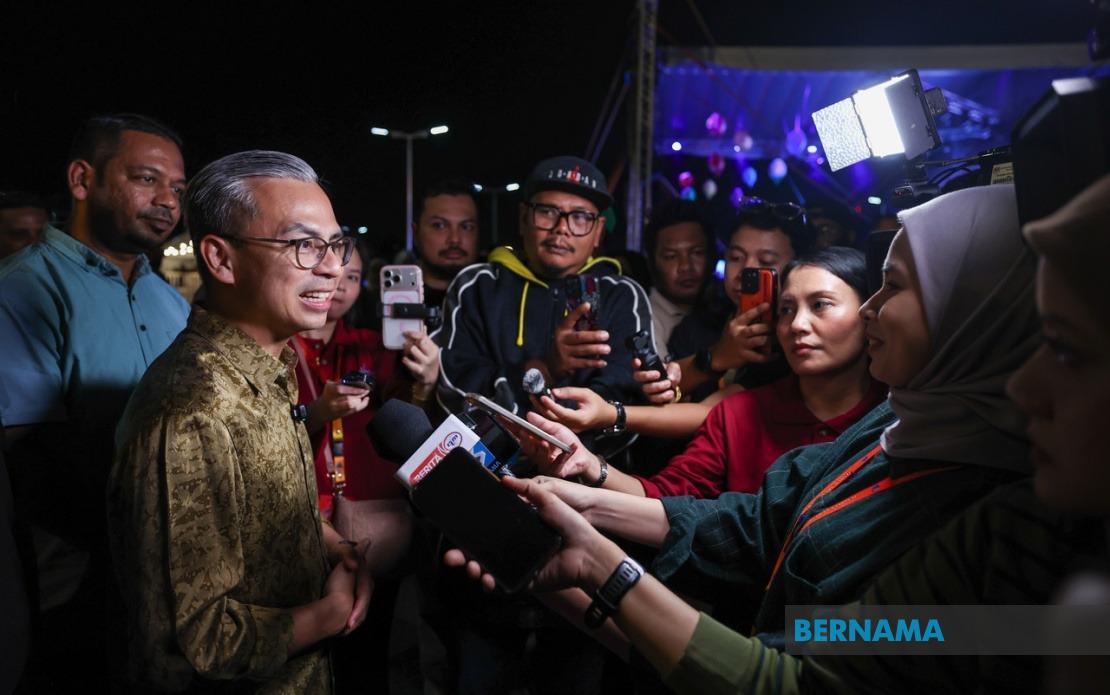
Communications Minister Datuk Fahmi Fadzil has lauded the RIUH Pi HAWANA carnival as a resounding success, affirming that the event fulfils its core mission of creating a meaningful space for Malaysia's creative sector to flourish and connect with audiences. Speaking at the carnival grounds at the PICCA Convention Centre @ Butterworth Arena, Fahmi expressed his satisfaction with both the calibre of talent on display and the evident enthusiasm from attendees who have turned out to experience the diverse lineup of performances and creative exhibits.
The carnival, which runs through Sunday, represents a strategic initiative to merge celebration with commerce, bridging the gap between emerging and established artists while simultaneously providing a marketplace for local entrepreneurs to gain exposure. By tethering the event to the annual HAWANA celebration—which honours the country's journalists—organisers have created a dual-purpose gathering that serves both cultural and professional objectives. For Malaysian creatives operating in an increasingly competitive regional landscape, such platforms carry significant weight in establishing brand recognition and audience loyalty.
Minister Fahmi's specific mention of artists such as Exists, alongside established names like Bunkface and Masdo, underscores the carnival's deliberate strategy to span generational divides. This programming approach proves particularly relevant for Malaysia's music and entertainment industry, where younger acts frequently struggle for visibility despite producing innovative work. By showcasing both veteran performers and breakthrough talent under one roof, the carnival allows audiences to discover new favourites while enjoying the comfort of familiar names.
The scale of the RIUH Pi HAWANA carnival reflects substantial organisational ambition. More than 24 local creative brands have set up stalls, complemented by 20 food and beverage vendors that add vitality to the overall atmosphere. The inclusion of interactive workshops distinguishes this event from conventional music festivals, creating multiple avenues for visitor engagement beyond passive spectatorship. This multifaceted approach caters to diverse audience preferences, from those seeking entertainment to those interested in hands-on creative exploration.
With 18 live performances spanning the event's duration, the carnival maintains momentum while allowing attendees flexibility in their experience. The artist roster—featuring names including Sakura Band, Fugo, Budak Nakal Hujung Simpang, and Chelsia Ng—demonstrates curator attention to stylistic variety, suggesting programming designed to appeal across demographic lines rather than targeting a narrow segment. This inclusive approach carries implications for how Malaysian events are conceived and marketed regionally, potentially influencing similar festivals throughout Southeast Asia.
Minister Fahmi's call for expanded public participation, particularly directed at Penang residents, suggests organisers view the event's current success as merely a foundation for future growth. His advocacy carries official weight that may encourage both attendance and media coverage, amplifying the carnival's reach beyond initial projections. For creative entrepreneurs and performing artists, ministerial endorsement provides legitimacy and signals government support for the sector—a reassuring factor in an entertainment landscape where funding and infrastructure remain inconsistent challenges.
The minister's expressed hope that RIUH Pi HAWANA will become an annual fixture attached to future HAWANA celebrations points toward institutionalisation of the carnival concept. If realised, this would create a predictable calendar event that local entrepreneurs can plan around, potentially attracting bigger names and broader investment over successive years. The sustainability of such events depends heavily on demonstrated public appetite, which the current edition appears to be confirming.
MyCreative Ventures, the organising entity, has orchestrated a notably cohesive gathering that balances commercial viability with cultural value. The involvement of Bernama—Malaysia's national news agency—adds institutional credibility to the proceedings, reflecting the government's deliberate positioning of creative industries as worthy of official recognition alongside traditional sectors. This alignment carries symbolic importance for Malaysian creatives who historically have sought greater parity with more established economic domains.
The broader context matters for understanding why ministerial validation of cultural events resonates in Malaysia. The country's creative industries contribute meaningfully to gross domestic product and employment, yet often remain marginalised in policy discussions dominated by manufacturing, finance, and infrastructure concerns. Events like RIUH Pi HAWANA, coupled with supportive rhetoric from senior government figures, gradually shift the narrative toward recognising creative work as legitimate economic activity deserving strategic support and investment.
For Penang specifically, the carnival represents an opportunity to establish the state as a creative hub within Malaysia's regional ecosystem. With Kuala Lumpur traditionally absorbing disproportionate cultural attention and resources, peripheral states benefit significantly from high-profile events that demonstrate their capacity to host quality productions. Success in Butterworth may catalyse interest from other states seeking to replicate the model and attract creative talent to their own communities.
Looking forward, the sustainability question hinges on whether organisers can maintain momentum between annual iterations while expanding the vendor base and artist roster. Audience surveys and feedback mechanisms will prove crucial for refining future editions. The minister's comments suggest government willingness to provide structural support, though financial sustainability ultimately depends on ticket sales, sponsorship acquisition, and vendor participation levels that must justify continuing investment.
For Malaysian audiences and the creative professionals depending on such platforms, the RIUH Pi HAWANA carnival represents tangible recognition that their work matters—not merely as entertainment, but as legitimate cultural expression deserving celebration and support. As the event concludes this weekend, the conversations generated and connections forged will reverberate through Penang's creative community long afterward, potentially catalysing new collaborations and opportunities that extend the carnival's impact well beyond its scheduled dates.

