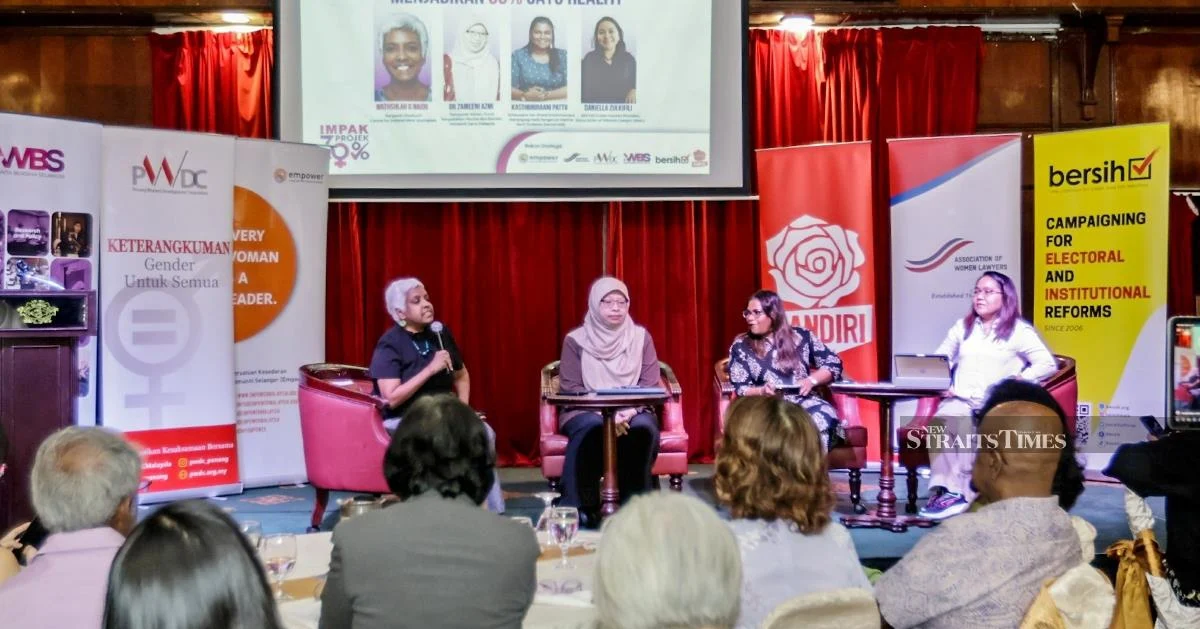
A broad coalition of civil society groups delivered a formal memorandum and proposed legislation to Malaysia's government today, advocating for mandatory representation of women candidates at 30 per cent or higher in the forthcoming general election. The submission represents a significant push from non-governmental organisations to address persistent gender imbalances within the country's political landscape and legislative processes.
The initiative addresses a longstanding concern among Malaysian civil society advocates who contend that women remain substantially underrepresented in electoral contests and parliamentary chambers. Current levels of female political participation fall markedly short of global standards and lag behind several Southeast Asian neighbours. Proponents of the 30 per cent threshold argue this figure represents a meaningful yet achievable stepping stone rather than an unrealistic ceiling, allowing Malaysia to progressively approach genuine gender parity in political representation.
The draft legislation seeks to establish binding requirements for all registered political parties operating within Malaysia's electoral system. Rather than relying on voluntary compliance or internal party discipline, the proposed framework would embed gender quota obligations directly into electoral law. This approach echoes mechanisms adopted across comparable democracies, where legislative mandates have proven more effective at driving substantive change than appeal to parties' goodwill or corporate social responsibility commitments.
Gender advocates highlight that Malaysia's current representation metrics underutilise considerable talent within the female population. Women constitute roughly half the electorate and demonstrate comparable engagement levels, educational attainment, and policy expertise to male counterparts. The absence of proportional candidate selection therefore reflects systemic barriers rather than demonstrated shortfalls in capability or voter preference. Economists note that expanding women's participation in political decision-making correlates with improved policy outcomes across healthcare, education, and social welfare sectors where women's perspectives enhance legislative frameworks.
The memorandum submission carries symbolic weight within Malaysian political culture, signalling organised civil demand for parliamentary reform. Successive governments have acknowledged gender equality commitments through international treaty obligations and domestic policy statements. However, translating rhetorical support into concrete legislative action has proceeded gradually. This direct submission of draft legislation essentially presents lawmakers with ready-made frameworks, reducing implementation barriers and demonstrating sophisticated organisational capacity among participating civil society entities.
Regional context underscores Malaysia's comparative position on gender representation. Thailand's parliament comprises approximately 18 per cent women members, while Indonesia achieved roughly 19 per cent female representation following recent legislative elections. The Philippines maintains approximately 26 per cent female parliamentary representation. A mandatory 30 per cent candidate requirement would position Malaysia competitively within Southeast Asian standards while acknowledging ongoing development toward equitable participation. Such positioning matters for Malaysia's international standing and soft power narratives around democratic maturity.
Opposition to mandatory quotas traditionally emerges from arguments prioritising merit-based selection and party autonomy in candidate determination. Critics contend that legislated requirements artificially constrain parties' strategic flexibility and potentially elevate less-qualified candidates. Yet supporters counter that existing "merit" frameworks inherently disadvantage women through structural discriminations including childcare responsibilities, networking patterns, and institutional gatekeeping. They further note that merit standards frequently operate unevenly across genders despite equivalent qualifications.
The timing of this submission relative to GE16's anticipated schedule carries tactical significance. Early legislative submission allows extended parliamentary debate and potential consensus-building among political stakeholders. Unlike late-stage proposals that encounter procedural time constraints, this approach permits thorough examination by relevant parliamentary committees and broader democratic deliberation. Such timeframes historically facilitate more durable legislative outcomes with broader cross-party acceptance, enhancing implementation prospects regardless of shifting electoral fortunes.
Civil society coalition structures themselves merit attention within Malaysia's democratic context. The memorandum's joint submission by multiple organisations demonstrates horizontal coordination capacity typically absent from fragmented advocacy efforts. This unified approach projects greater institutional weight and suggests substantive consensus among diverse stakeholder communities. Such coalition-building represents crucial democratic infrastructure strengthening Malaysia's deliberative capacity independent of formal state structures.
Implementation mechanisms within the proposed draft legislation will prove critical for determining practical effectiveness. Specifics regarding enforcement, penalties for non-compliance, and dispute resolution mechanisms significantly shape outcomes. International evidence suggests that legislation lacking robust enforcement provisions often becomes ceremonial rather than transformative. Malaysian civil society groups likely incorporated stringent compliance frameworks reflecting lessons from comparable jurisdictions where weak implementation undermined quota effectiveness despite legislative passage.
The government's response trajectory will illuminate broader political commitment to gender representation advancement. Reception by relevant parliamentary committees and cabinet consideration will indicate whether the proposal gains genuine policy momentum or encounters procedural obstruction. Cross-party engagement and potential consensus could emerge if ruling coalition and opposition recognise electoral advantages from appearing responsive to civil society demands and gender equality advocacy.
Longer-term implications extend beyond numerical representation toward cultural transformation within Malaysian political institutions. Candidate quota requirements represent formal structures supporting gradual normalisation of women's political leadership. As female candidates increase proportionally, voter exposure to women politicians expands, potentially reducing unconscious bias and gender stereotyping affecting electoral outcomes. Systemic change typically requires sustained pressure combining legislative reform, institutional restructuring, and cultural evolution occurring across years rather than single electoral cycles.
For Malaysian voters and civil society observers, this submission signals active democratic contestation over representation architecture. Whether legislative processes translate civil society proposals into implemented law will substantially shape Malaysia's gender equality trajectory across coming decades and influence regional benchmarks for democratic development standards.

